

How to Plan Lisbon and Porto Trips and Itineraries That Feel Special, Not Just Busy
You have your flight booked. Maybe a hotel in Lisbon or Porto. A couple of free days around meetings or a trip you have been dreaming about for years.
What you do not have yet is a clear answer to the real question:
“How do I spend this time so it actually feels special, not just busy?”

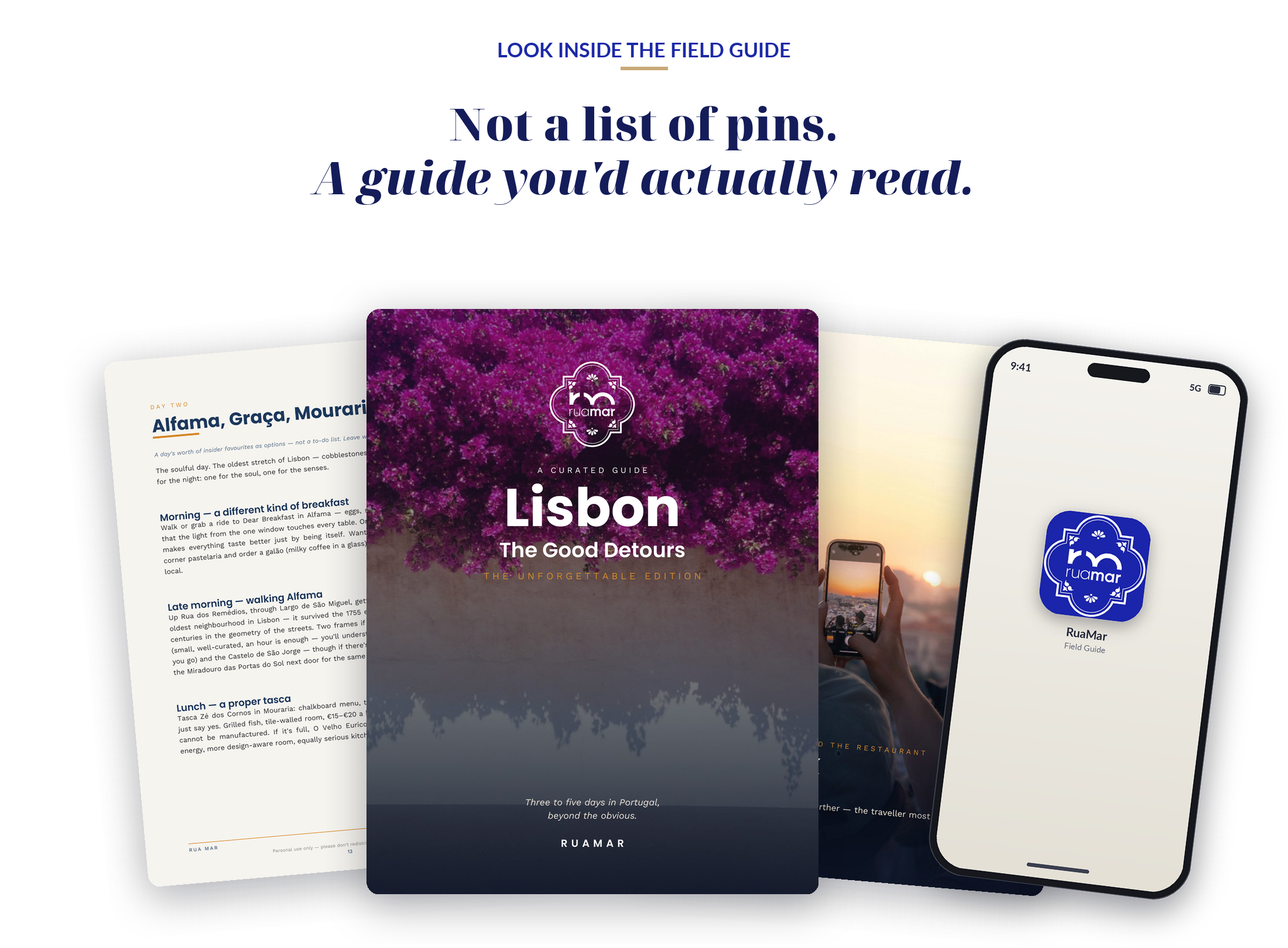
RuaMar is for that question. We have built a set of curated, local‑first guides and Good Detours for Lisbon, Porto and the Algarve, plus the places in between, so your days feel like they were planned by a friend who lives here instead of a search engine. RuaMar is built by a studio with years of experience planning once‑in‑a‑lifetime trips in Portugal, who know the local vendors, bites, sights and moments that take a trip from “nice” to extraordinary, then weave what works into digital guides you can actually use.
Why choose a RuaMar guide?
Curated expertise
Avoid long lines and generic “top 10” photo ops. You still see the big sights, but you experience them along with the kinds of insider details that create a real connection, and through the café culture, viewpoints, markets and bars people who know the city actually use.No‑headache days
Routes are designed to cut backtracking, dodge the worst crowds, and match the natural rhythm of the city and your own mood, energy and tastes.Tech that makes the trip easier
Interactive maps and app support keep your best options in one place, even offline, so you are never stuck doom‑scrolling reviews at the last minute.Flexible planning
A structure you can stretch or slow down, swap around for different travel companions, and adapt on the fly to weather, jet lag, or a sudden change of plans.
What you actually get with a RuaMar guide
Short answer: a local‑first way to plan your days that replaces hours of research with clear, ready‑to‑use “best of” options for what to see, eat and do, instead of rushing through a checklist of tourist traps.
People who use our guides tend to say the same thing.
It feels like all the good options live in one place, with more than enough to discover even if they stayed for a month. There is guidance when they want it, and plenty of room to follow their mood, taste and energy in the moment.
The field guide
You read it on the plane, and the city stops feeling abstract. Neighborhoods suddenly have a personality; you see which areas fit your style (shopping, nightlife, food, or quiet corners) and how a morning in one part of town can roll naturally into an afternoon somewhere else.The map
When you open it, you are not staring at a chaos of random saves. You see a set of specific, vetted places that already make sense together, and you can lean the day toward what you want across ten activity categories, including:a sweet tooth
a serious long lunch
a bar where you will actually stay for a second drink
a panoramic vista to photograph
a train ride out to a breathtaking beach, castle or cork landscape when the weather is perfect
The app
On the ground, it feels like carrying the notes a very organized friend made for you. You walk out of your hotel or a meeting, glance at your phone, and it reminds you which tiled station or lookout to hit now instead of later, where to eat nearby that fits how hungry you are, and what special detail not to rush past when you arrive.
As you move through the guide, the city starts to arrange itself around who you are that day. If your idea of a good day is design stores and old‑world shops, there are streets where you could happily spend all afternoon. If you care more about live music, hidden wine bars or getting out into wild Atlantic light, the map bends that way instead. The shops on our map highlight the best of the country: from traditional tiles and ceramics steeped in heritage to contemporary goods that showcase the world-class quality of Portuguese craftsmanship.
Reading this article gives you the shape of how we plan; the guides, maps and app are where all the specifics live—exact places, timing, tickets and routes—so you do not have to hold all of that in your head.
The whole point is that you are not guessing in front of a blue dot on a map. You already know why each place is on your list and how to fit it into the time you actually have.
What is the RuaMar day itinerary?
Short answer: one clear rhythm for the day, so you move through the city with a plan in mind, not a checklist in your hand.
Underneath every guide we quietly ask the same question:
“If this were our only time in this city for the next few years, how would we want it to feel?”
Most RuaMar days follow a simple arc:
Morning reset
A grounded, beautiful start in a real neighborhood cafe. Soft light, cups clinking, locals on their way to work. You feel like you have slipped into the city’s rhythm instead of standing in a loud, generic line.One or two anchors
A market where people still shop. One or two key sights that mean something to you. A long lunch that feels like the heart of the day, not an afterthought.Slow evening
A viewpoint at the right hour and a dinner that tastes like where you are and does not feel like homework, whether that is seafood, a neighborhood tasca or a natural‑wine bar with small plates.Space for detours
Enough white space to stay for a second drink because the music is good, follow a street because the tiles are beautiful, or head out of town for a few hours because the weather suddenly turned perfect.
The day falls into place instead of feeling like a random collection of stops.
How to Build a Local Lisbon Itinerary: Avoiding Crowds and Finding Hidden Gems
Short answer: a Lisbon guide that combines the main sights with local neighborhoods, cafés and viewpoints, plus insider timing so you can see them without the worst crowds, plus the experiences most people miss.
Morning rhythm
A local cafe in the kind of neighborhood where people are actually starting their day, not the most obvious spot beside a ticket office.
Proper coffee, a pastel de nata that quietly becomes your new benchmark, and ten quiet minutes to watch the streets wake up
Late morning
The big “must‑see” that everyone else reaches at the worst possible time: the monastery, the tiled station, the riverfront square that makes the postcards. Only you see it the way people wish they had: before the tour buses unload, fewer crowds in your photographs, softer light, and enough calm to actually notice what you came for.
Then, instead of waiting in long queues at famous Lisbon pastry shops, you duck into the place two blocks away, where the city is doing its own thing and you taste something scrumptious and new. The guide and app spell out the exact ticket, time slot and route to take, so you walk away feeling quietly glad you did not try to wing it.
Afternoon
A long lunch in a place people here actually recommend to their friends, not the restaurant closest to the cruise terminal.
Time to wander a single neighborhood for shops, architecture and small discoveries, rather than zig‑zagging across the map
Sunset
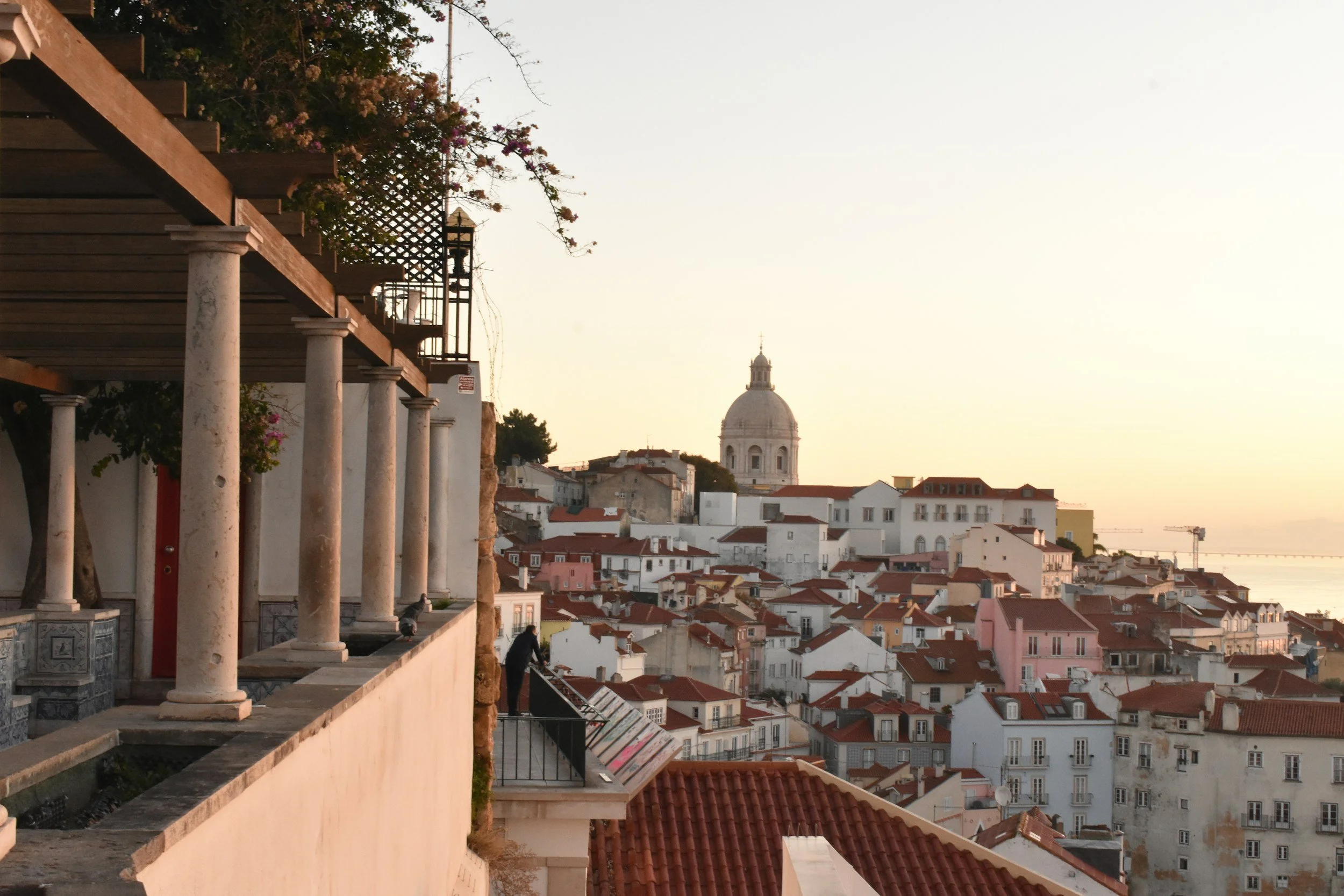
A quiet miradouro (viewpoint) in Lisbon where locals actually go for a drink at the end of the day.
The same kind of view you see on postcards, without the hour‑long queue and loudspeaker tours
Evening
A dinner that fits your appetite and your night:
fado in a small chapel if you want something emotional
a modern take on classics if you want to understand how the city is cooking now
or a simple tasca where the chalkboard menu does all the talking
The landmarks every list mentions are still there. You just reach them at the hour they work best, on your way to coffee, lunch or sunset, instead of building your whole day around standing in line for them.
How to Plan the Perfect 3-Day Porto Trip: From São Bento to Atlantic Views
Short answer: a Porto insider guide that joins up tiled streets, landmarks, the riverfront, Douro valley, wine cellars and the nearby coast into days that make geographic and logistical sense.
Morning rhythm
Breakfast in a cafe that understands both coffee and jet lag, a short walk from the kind of hotel you will be excited to come back to that evening, somewhere in the center where you can watch tiled streets wake up and decide what kind of day you are in the mood for.
Late morning
São Bento for tile panels that actually explain something about the country
One or two central icons (tower, church, bookstore) timed to avoid the worst of the lines.
Afternoon by the sea
Serralves for art and a treetop canopy walk that puts you face-to-face with the forest, then a shift west for Atlantic light, sea wind, and a shellfish lunch in the streets locals actually use.
Enough time on the coast to feel Porto as a sea city, not just an old town by a river
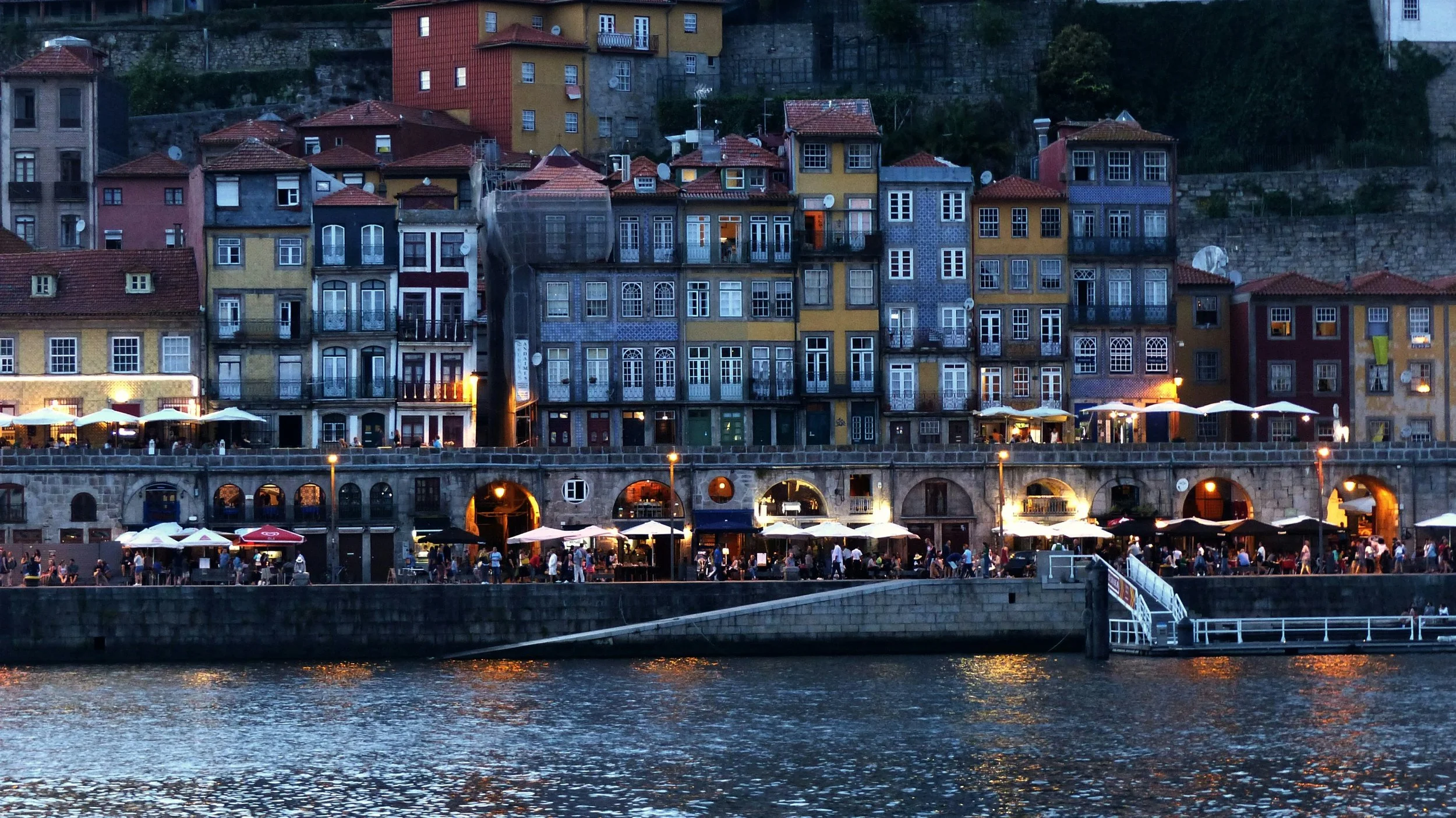
Sunset in Gaia
Back to the river, crossing the Dom Luís bridge as the light changes
A glass in hand on the Gaia side while Porto turns into a full composition: bridges, cellars, river, rooftops
Evening
Either a serious wine‑context dinner with views across the river, or a simpler, rooted meal that still leaves room for a walk back up the hill and a nightcap
Again, the icons are all there: São Bento, Ribeira, the bridge, the cellars. The difference is when you see them, who you are sharing them with, and what you are doing before and after.
How to do the Best Day Trips from Lisbon and Porto (That Don't Feel Like Tourist Traps)
Short answer: curated day trips and overnights with routes, timing and stops already shaped around the best experiences, so leaving the city feels easy instead of like a planning project.
Sooner or later, every conversation about Lisbon or Porto turns into a conversation about “just outside” Lisbon or Porto. The Good Detours are the routes that make leaving the city feel worthwhile, rather than like homework.

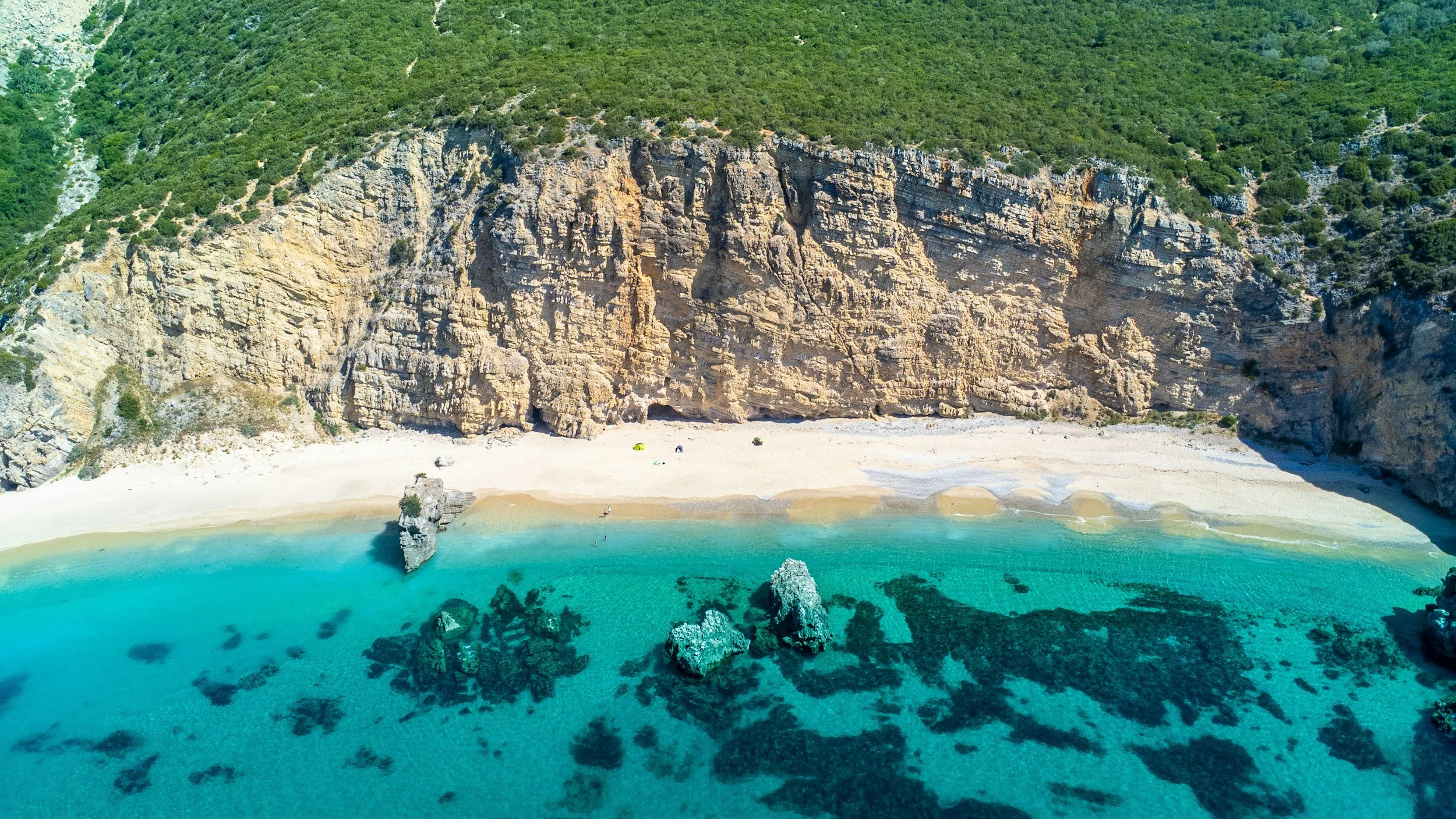
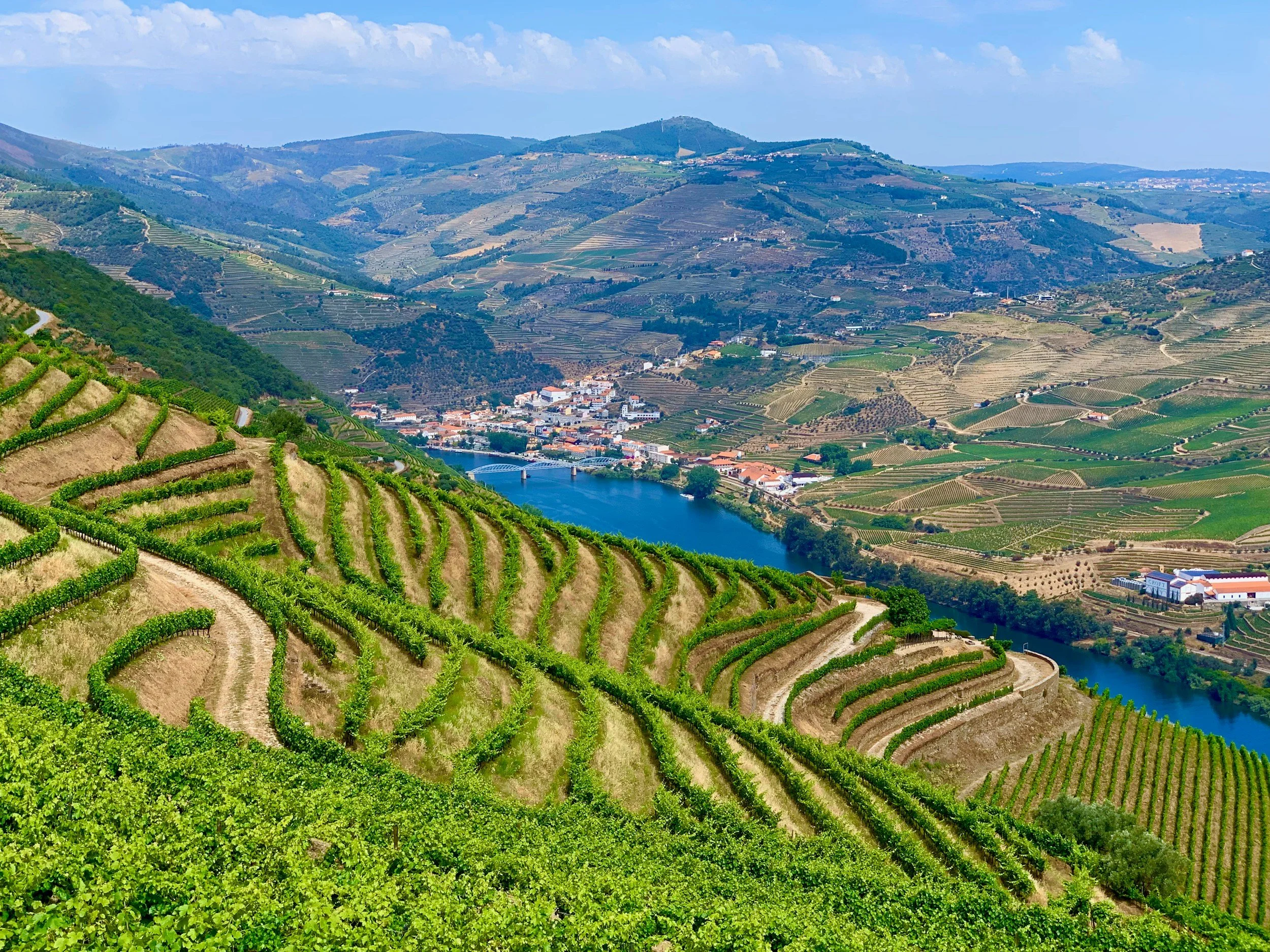
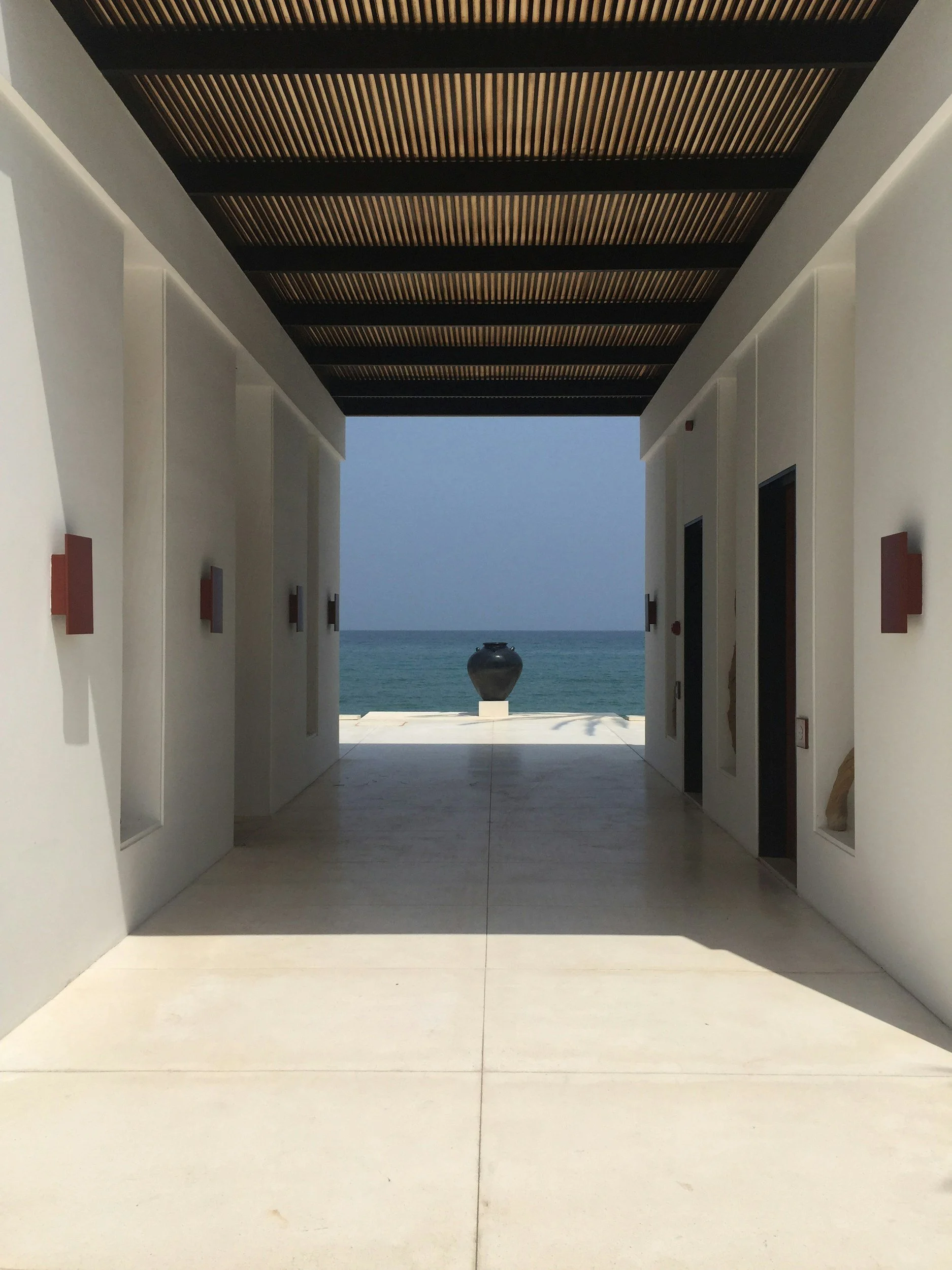
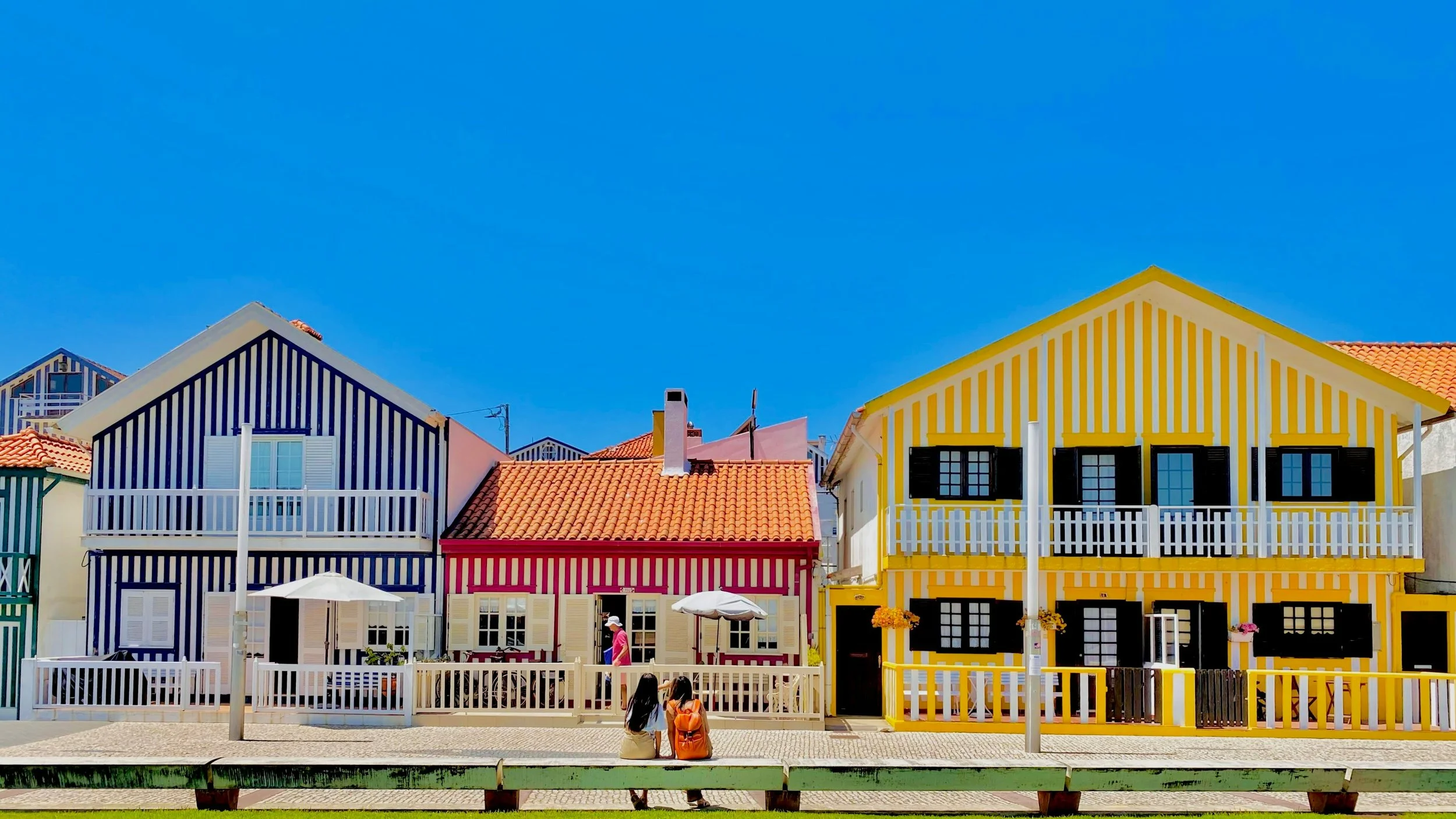




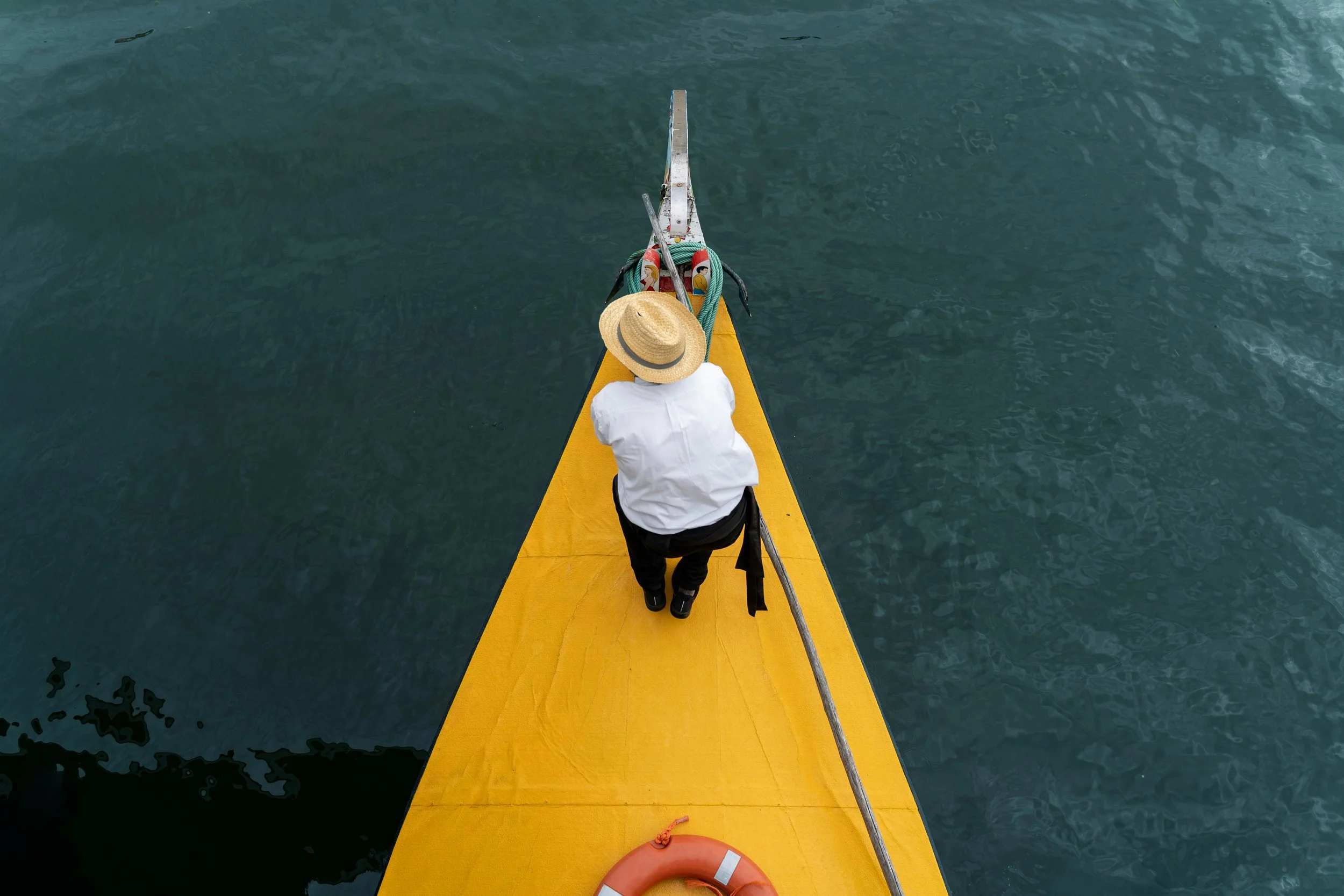
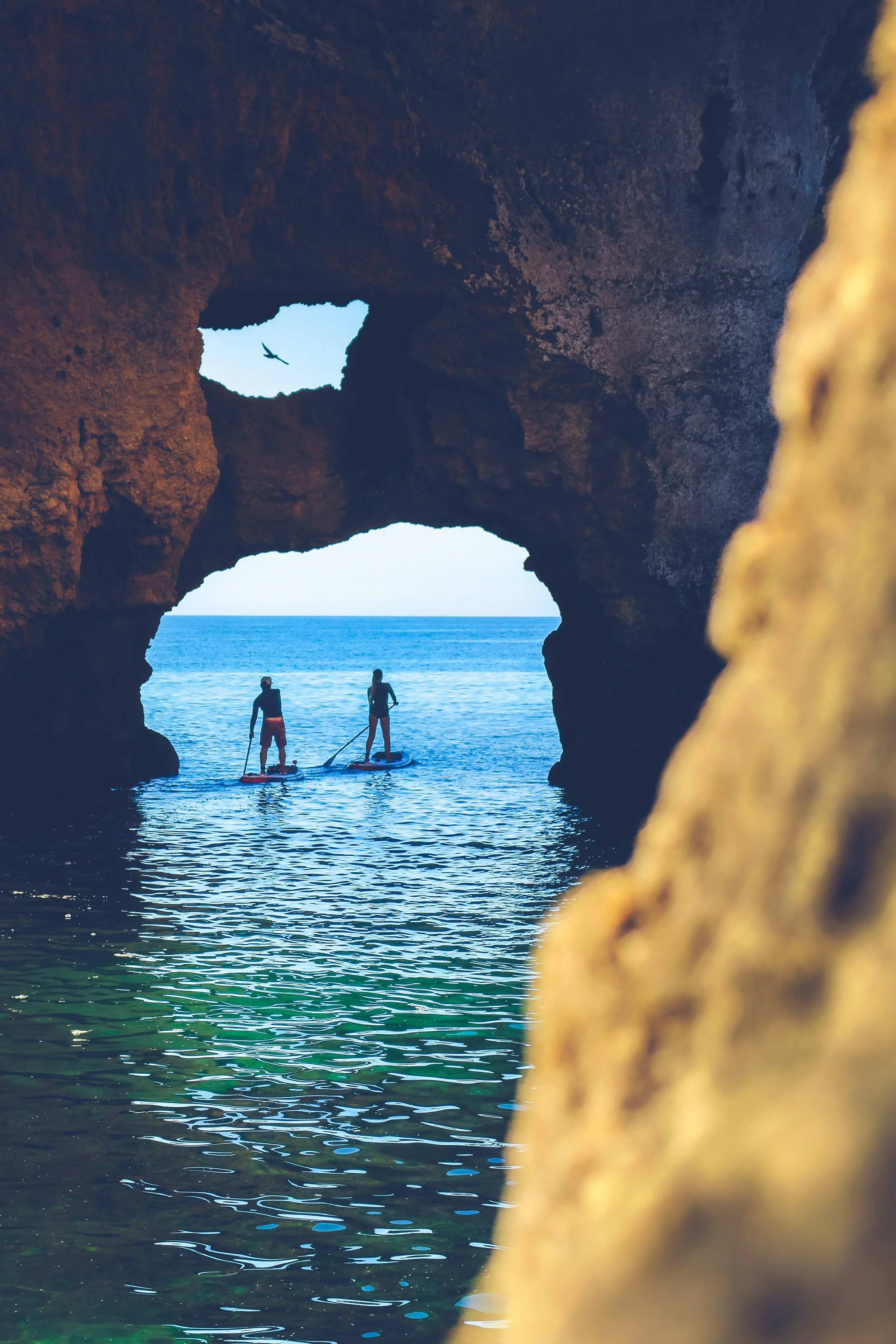
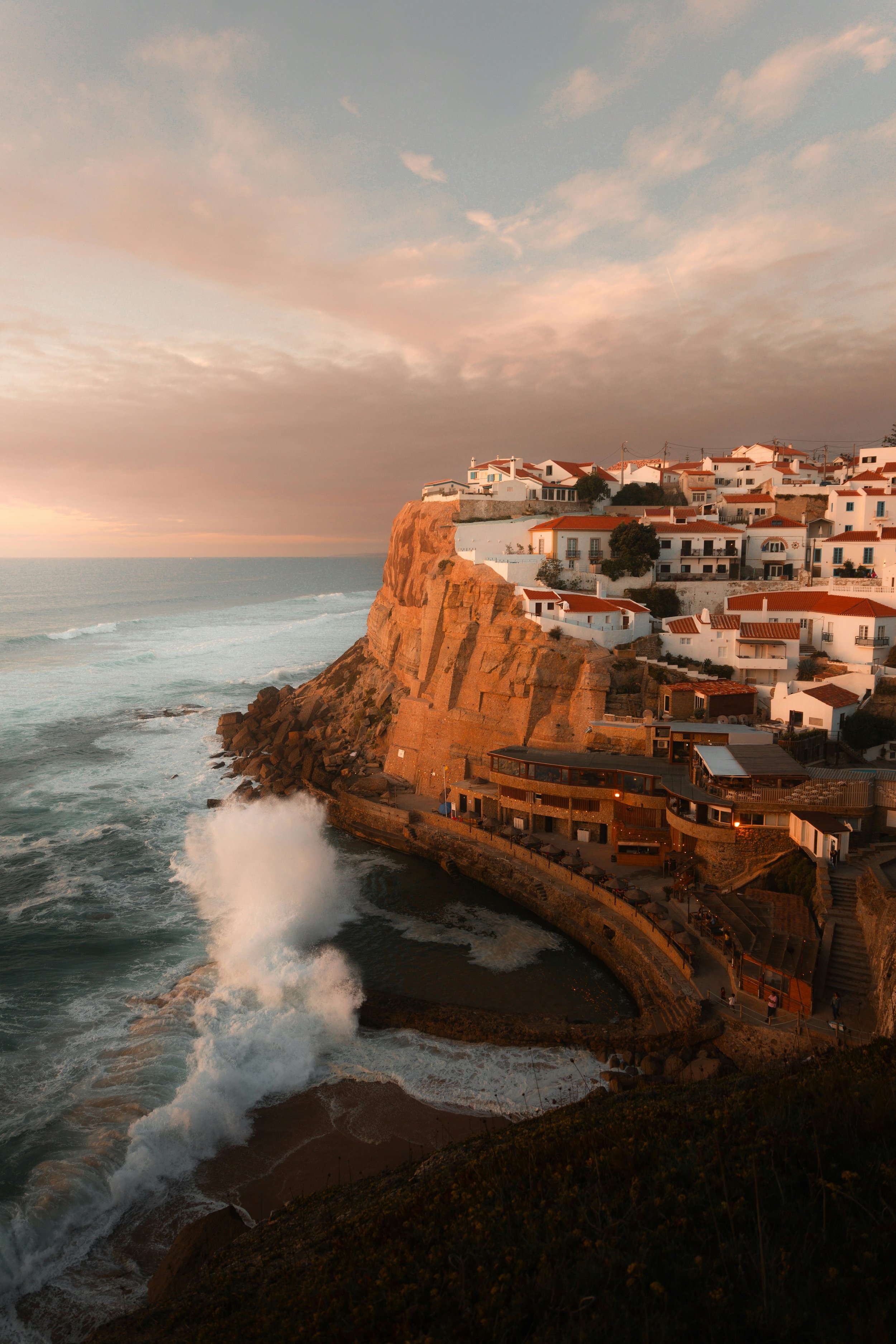

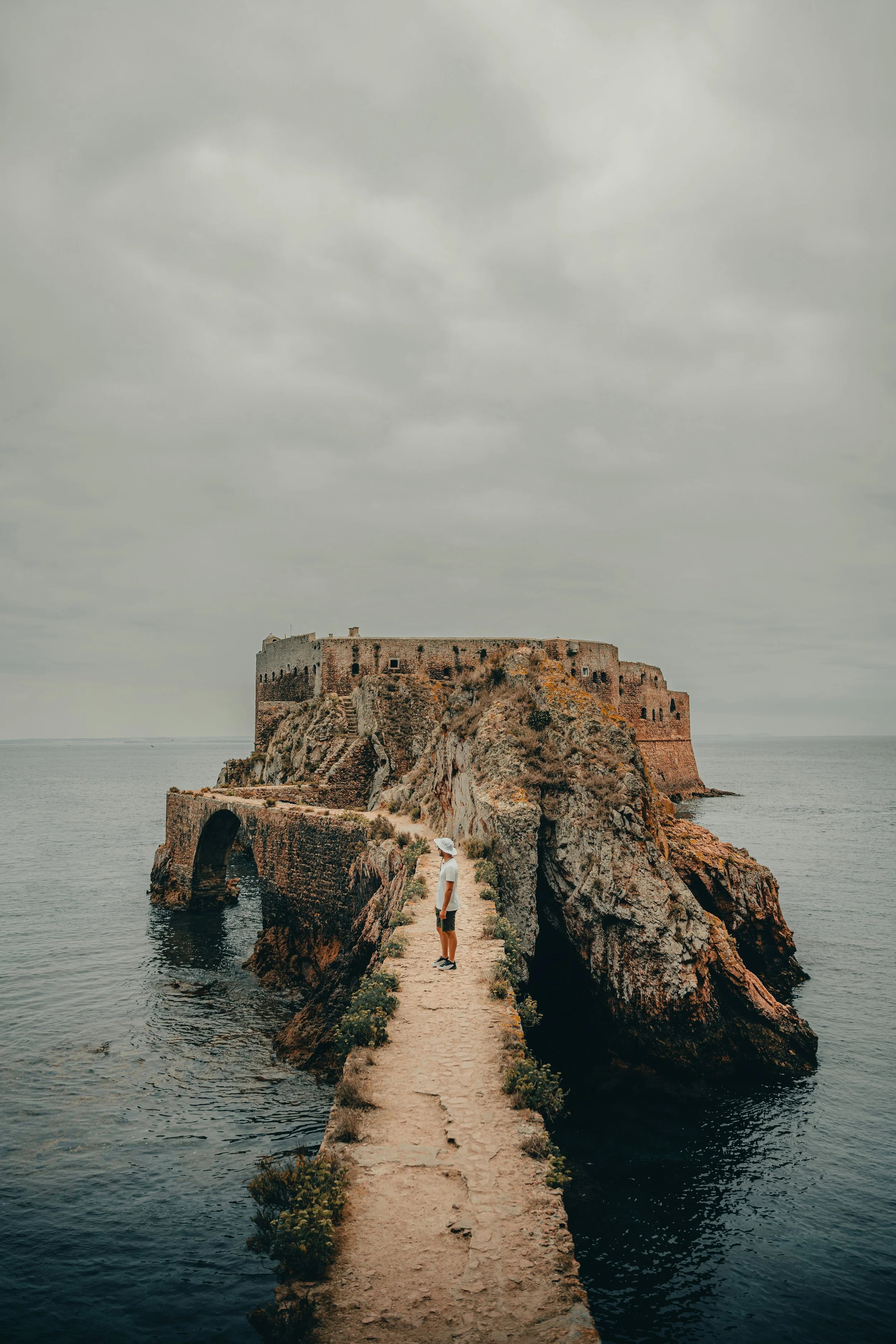
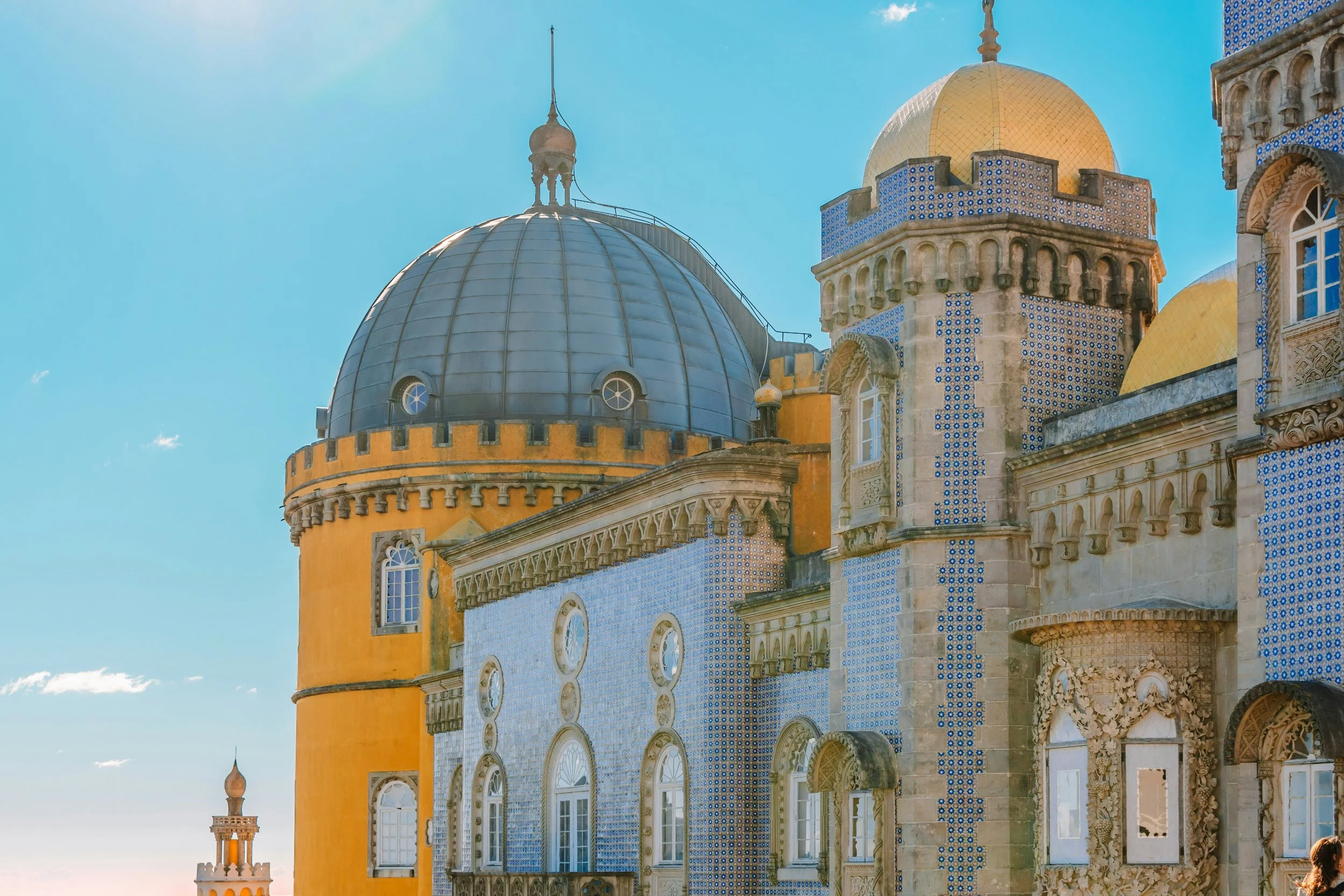


From Lisbon
Sintra and the coast - How to Visit Sintra Without the Bus Queues and Selfie Sticks
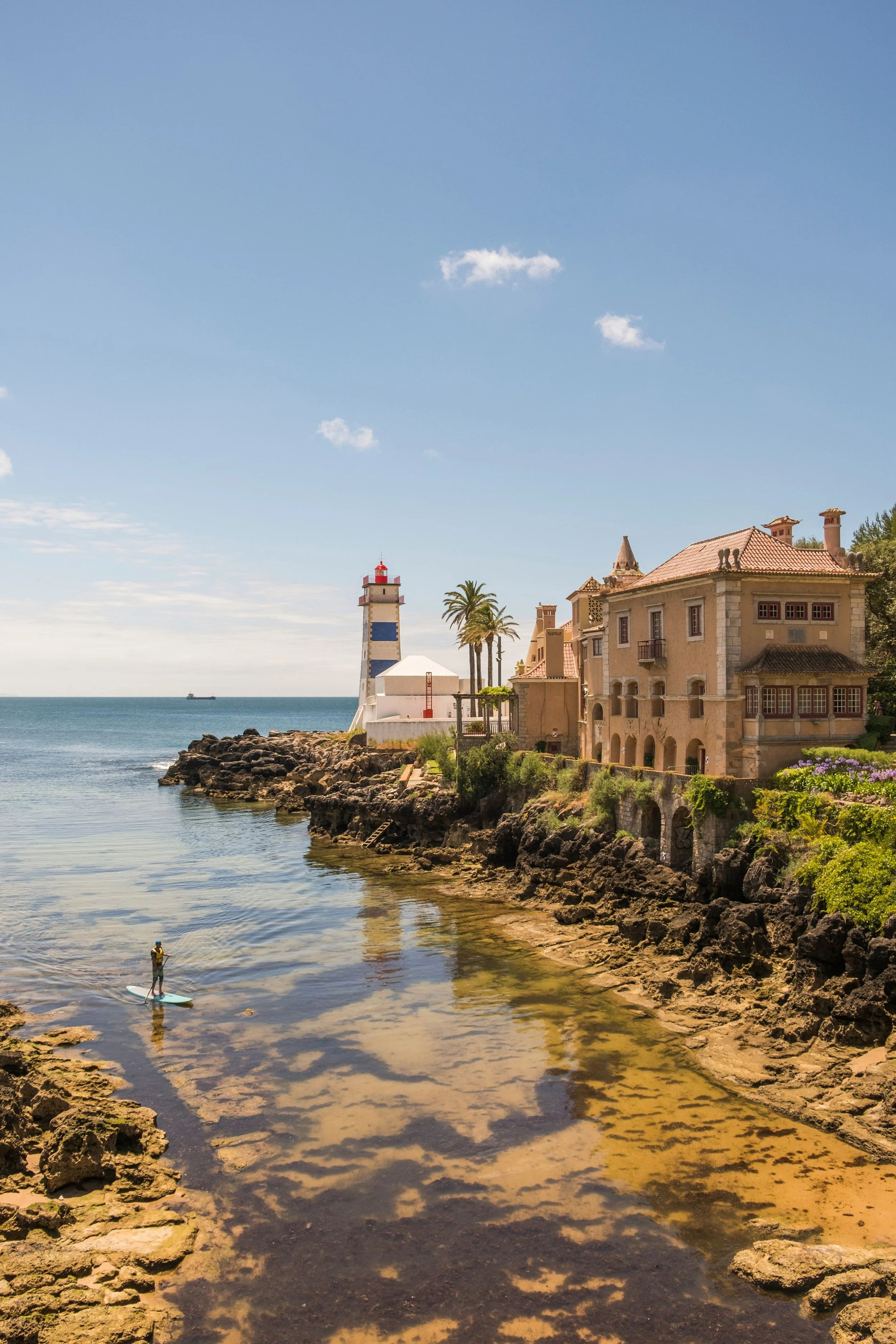
Misty gardens, painted palaces, travesseiros from the original bakery, then cliffs and sea views, timed to avoid bus queues and tour‑bus lunches.Wine, cork and inland Alentejo
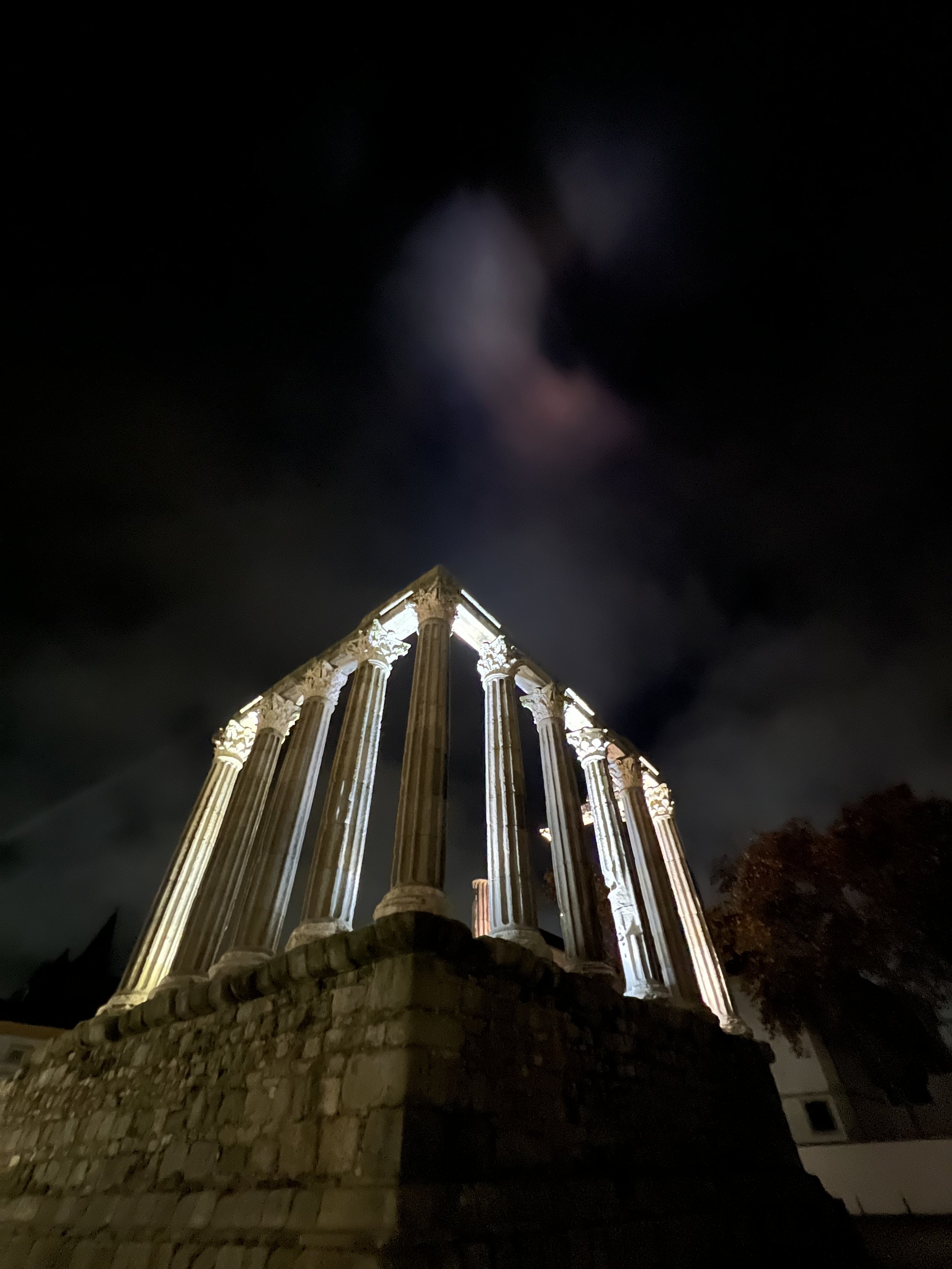
Roman columns, chapel of bones, golden plains, black pork and cork forests underfoot.Silver Coast villages
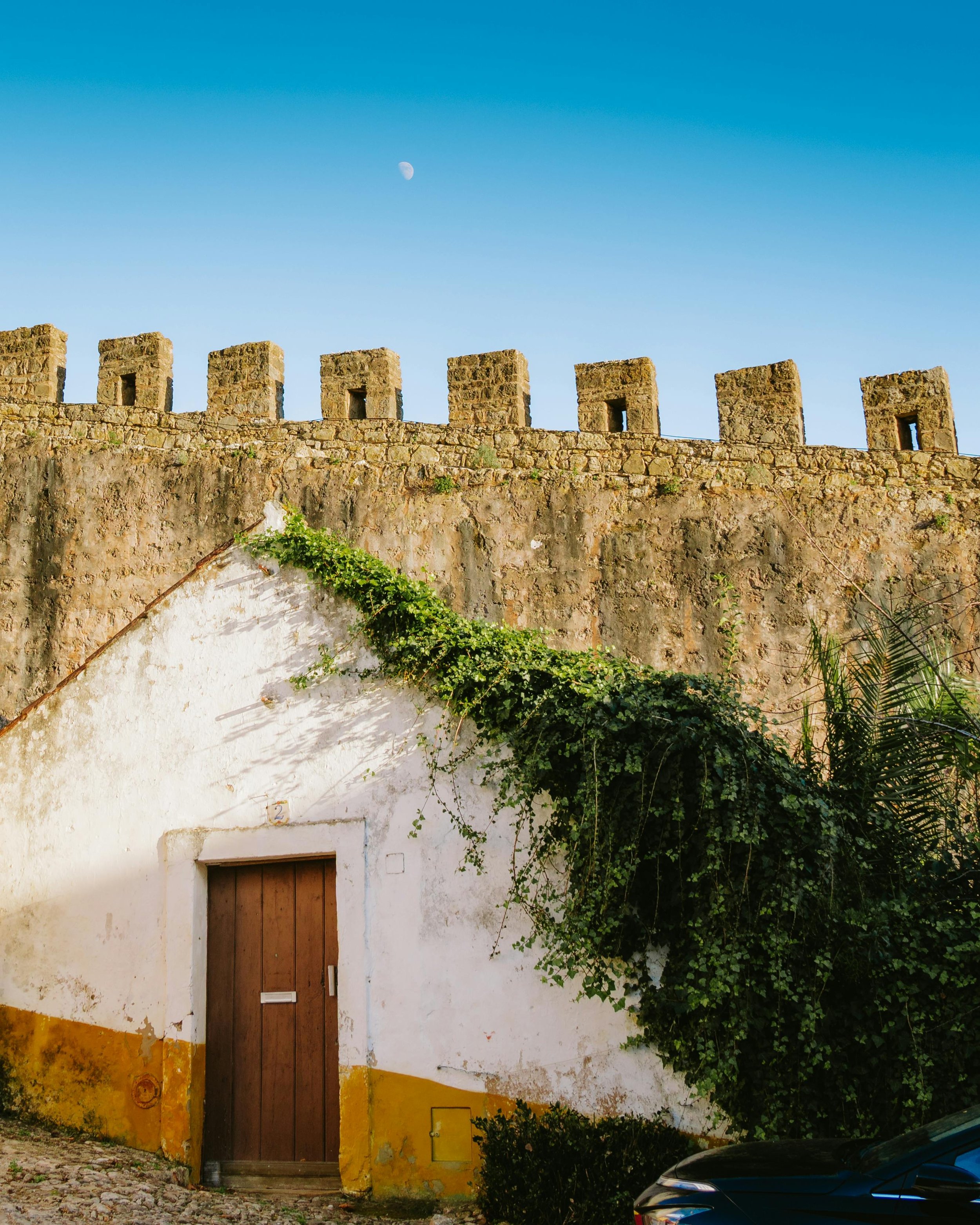
Medieval walls, Atlantic light, cliffside towns that are comfortably lived‑in.
From Porto
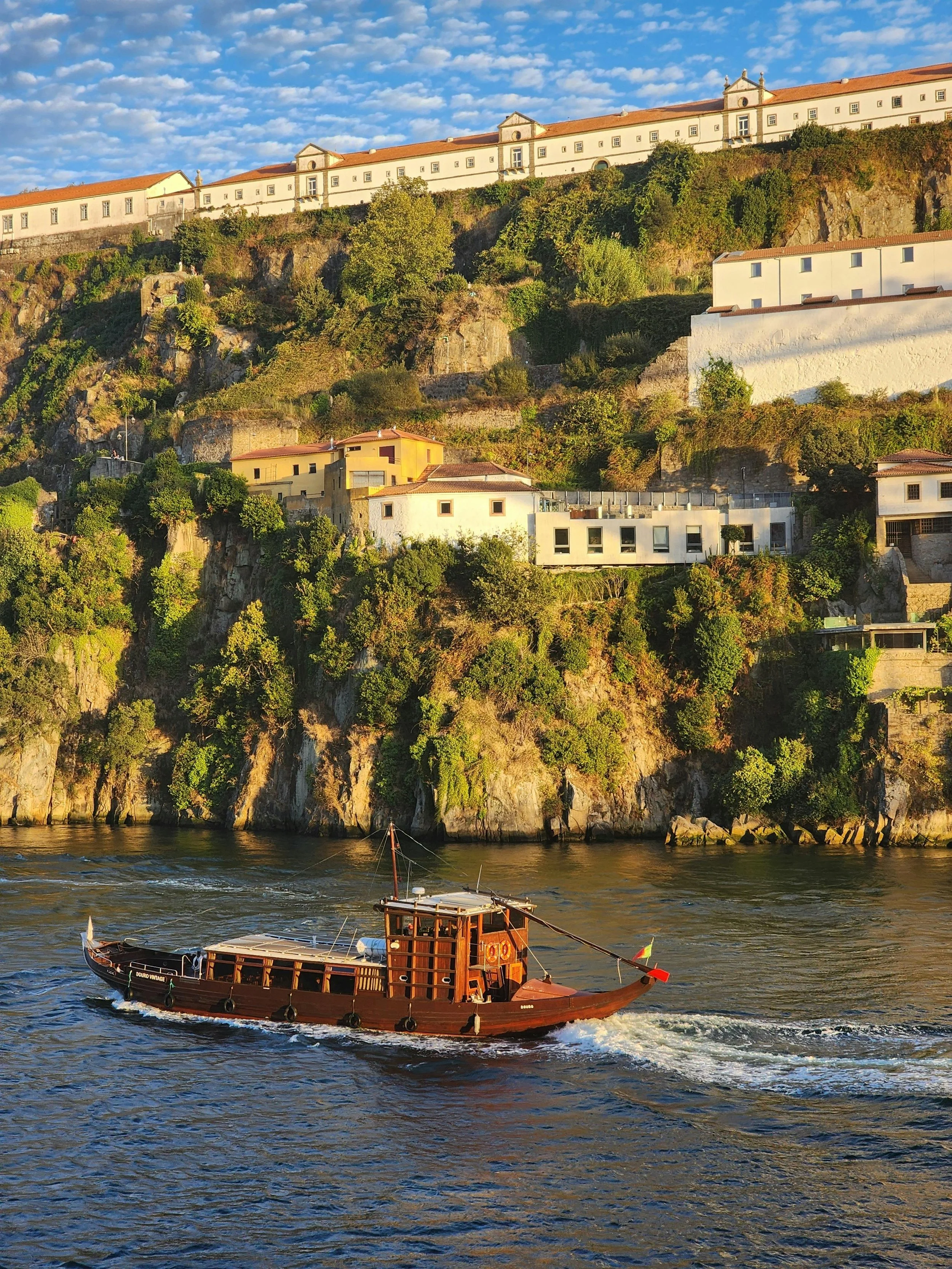
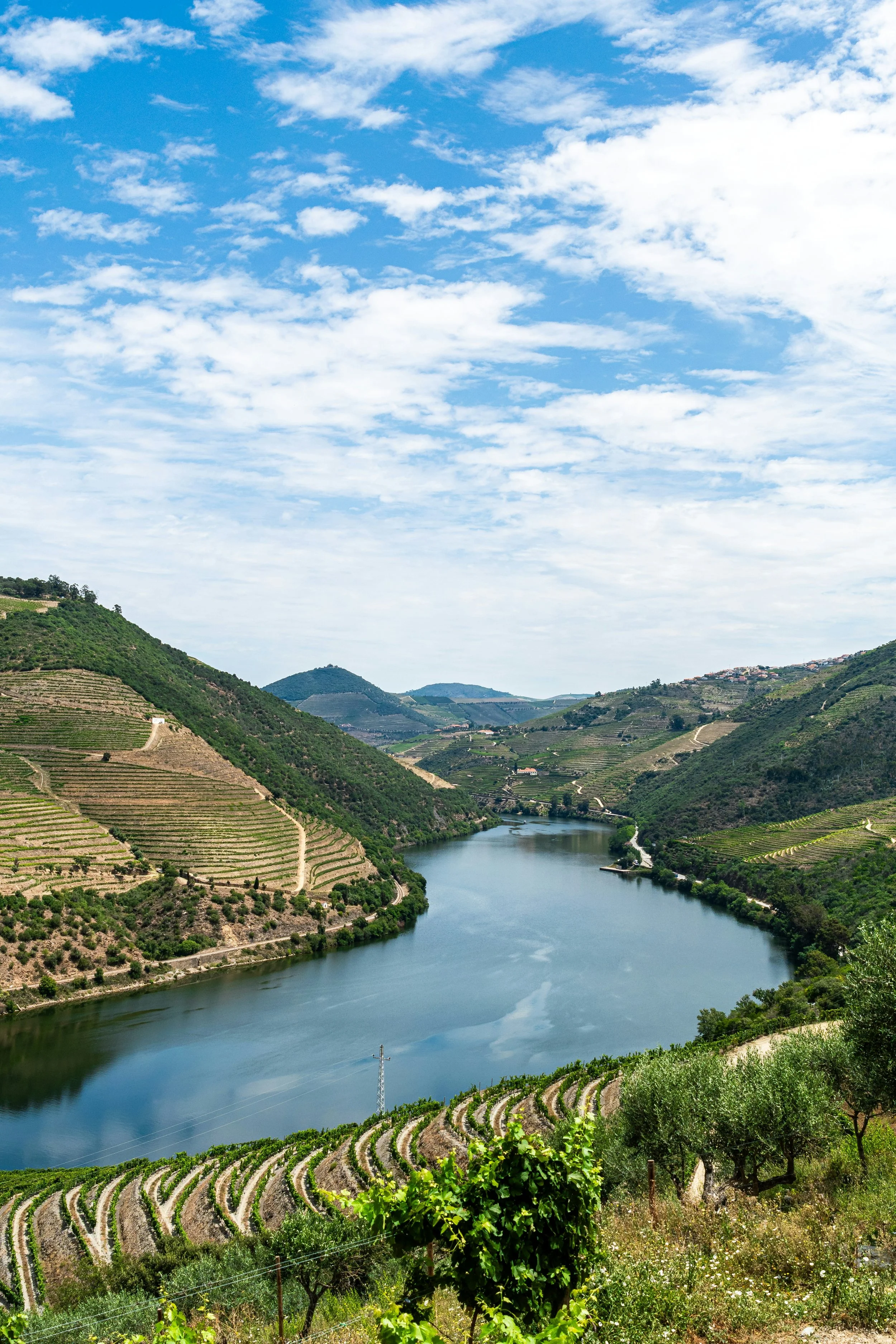
The Douro, properly - A Douro Valley Day Trip Is Worth It. You need a Local’s Guide
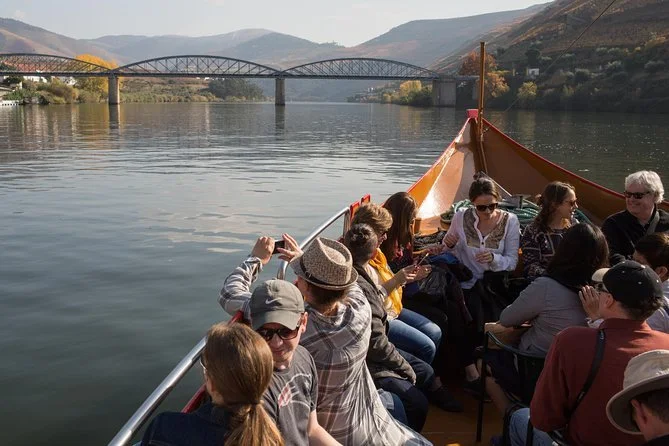
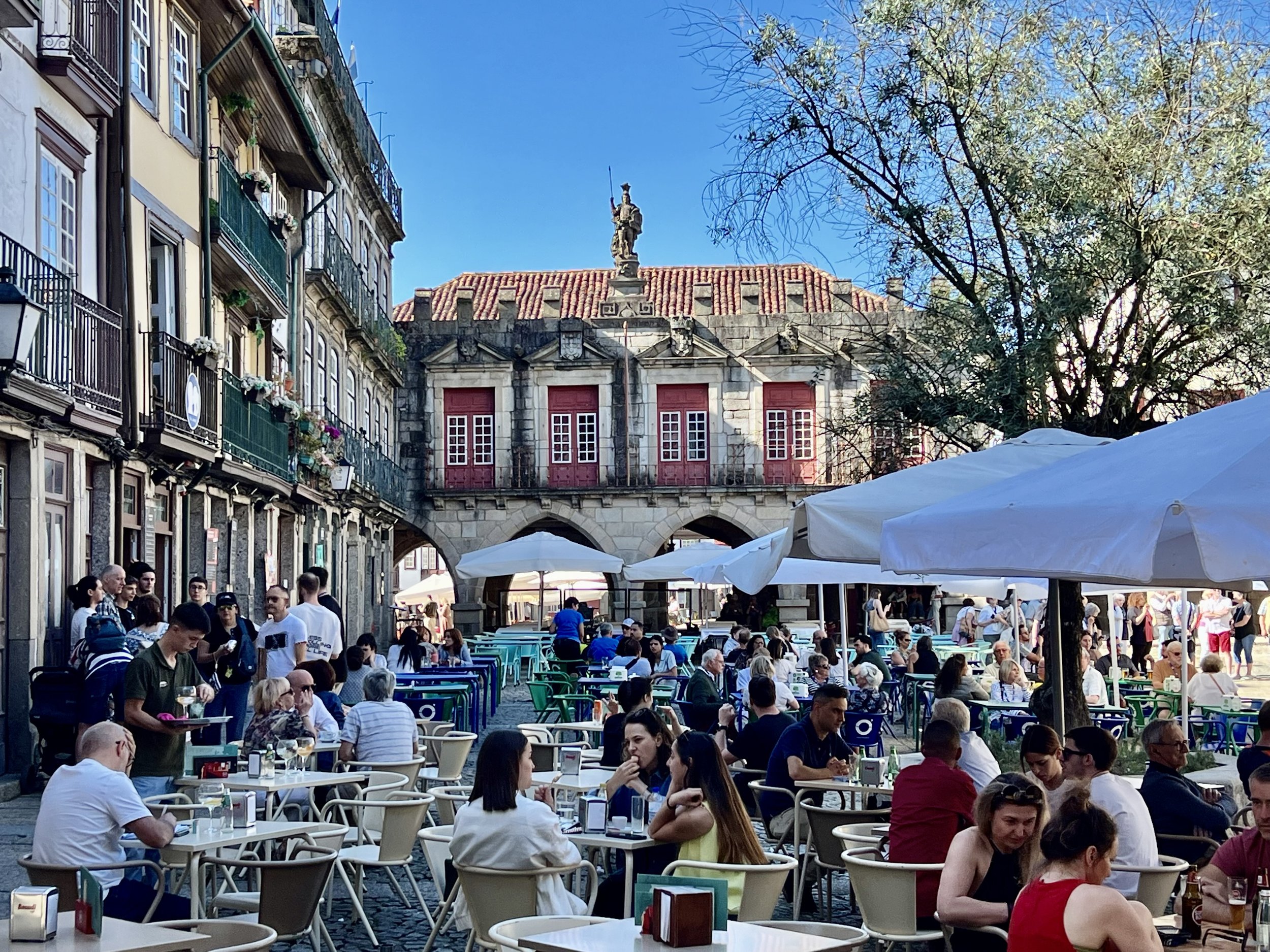
Train or driver into the valley, one serious quinta, one long lunch above the river, and enough time to let the terraces and the silence sink in.Canal towns and university hills
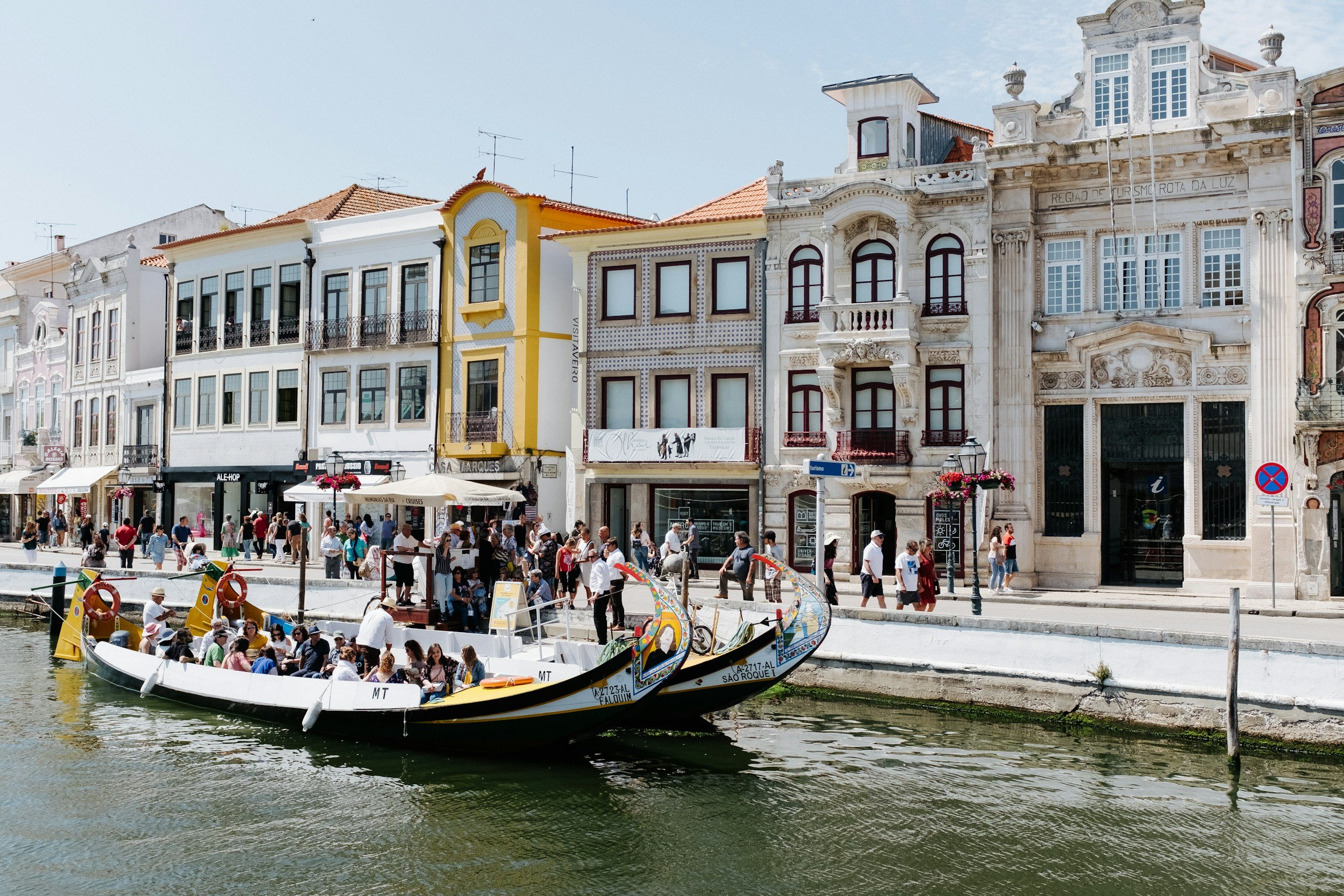
A lighter, more whimsical day in Aveiro or a steeper, more contemplative one in Coimbra, then back to Porto in time for dinner.
From the Algarve
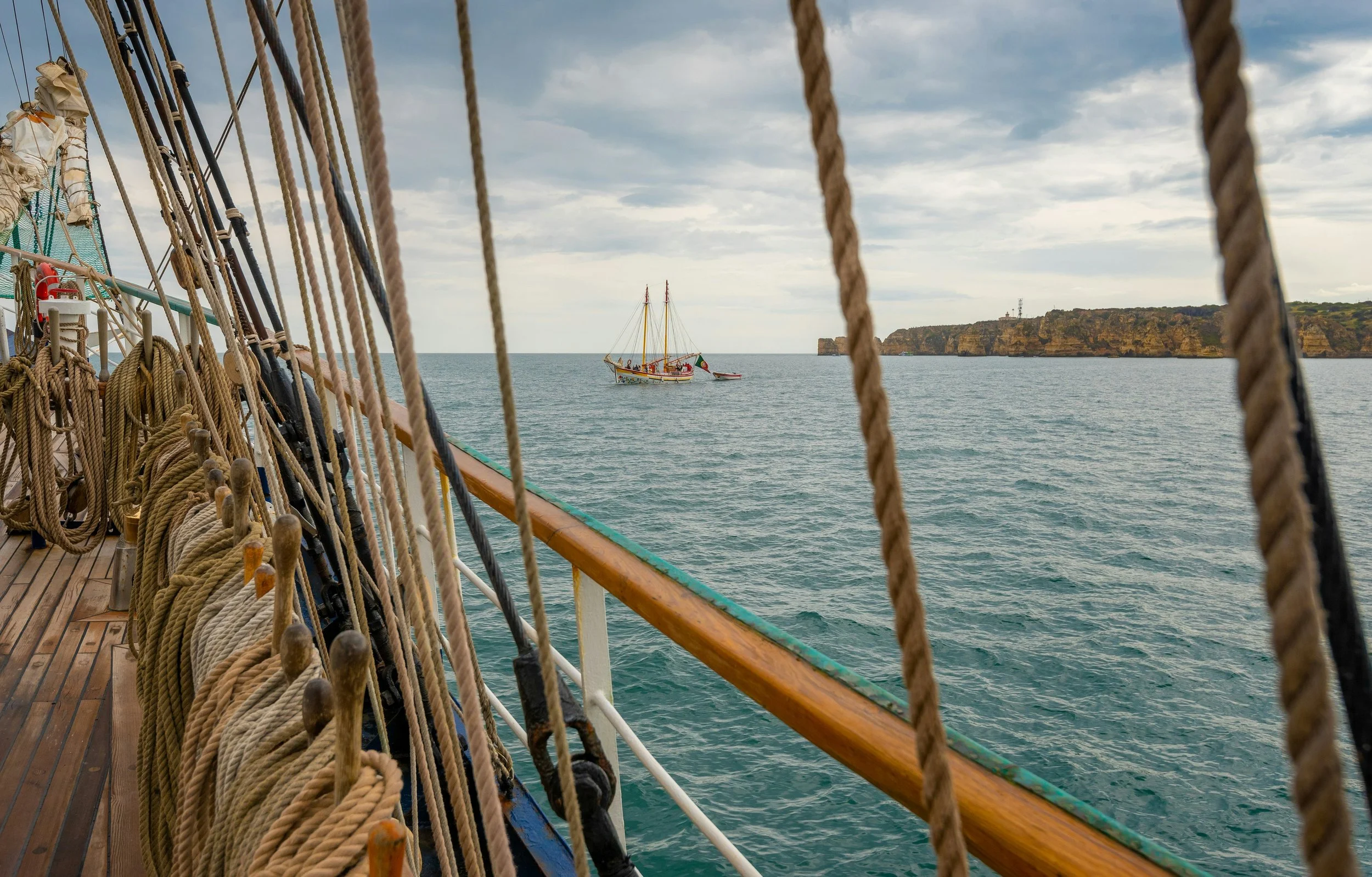
One stretch of coast, deeply
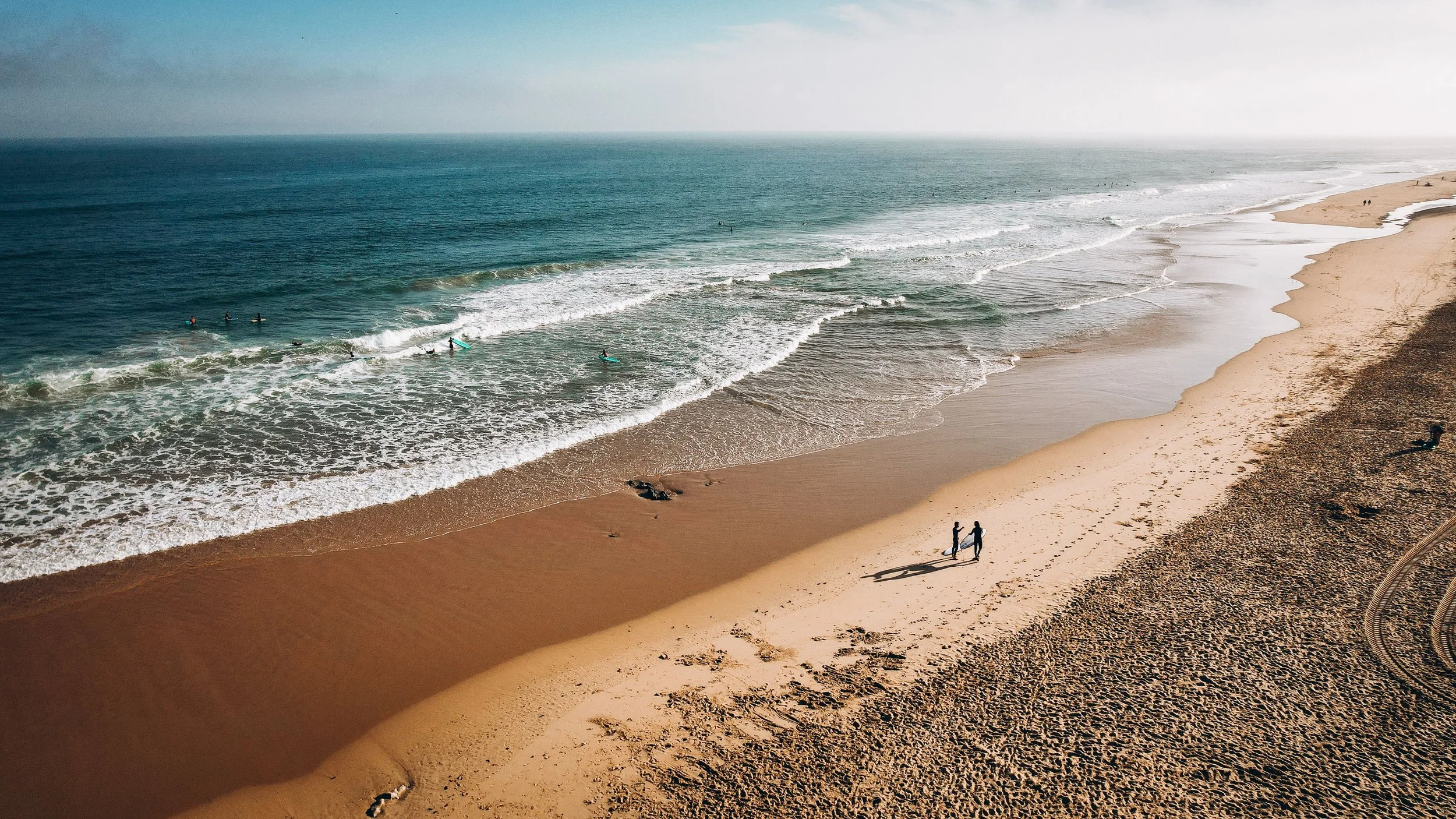
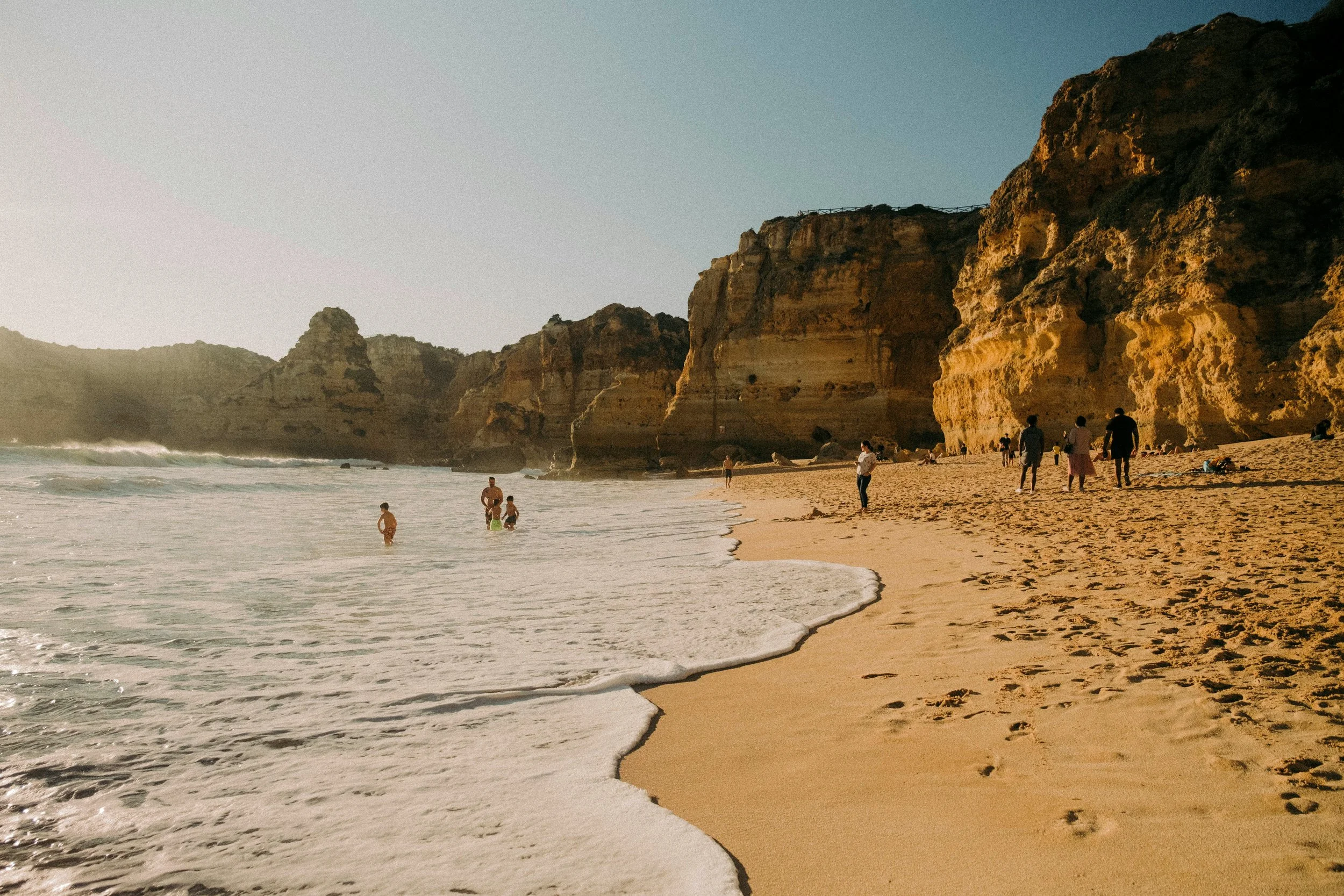
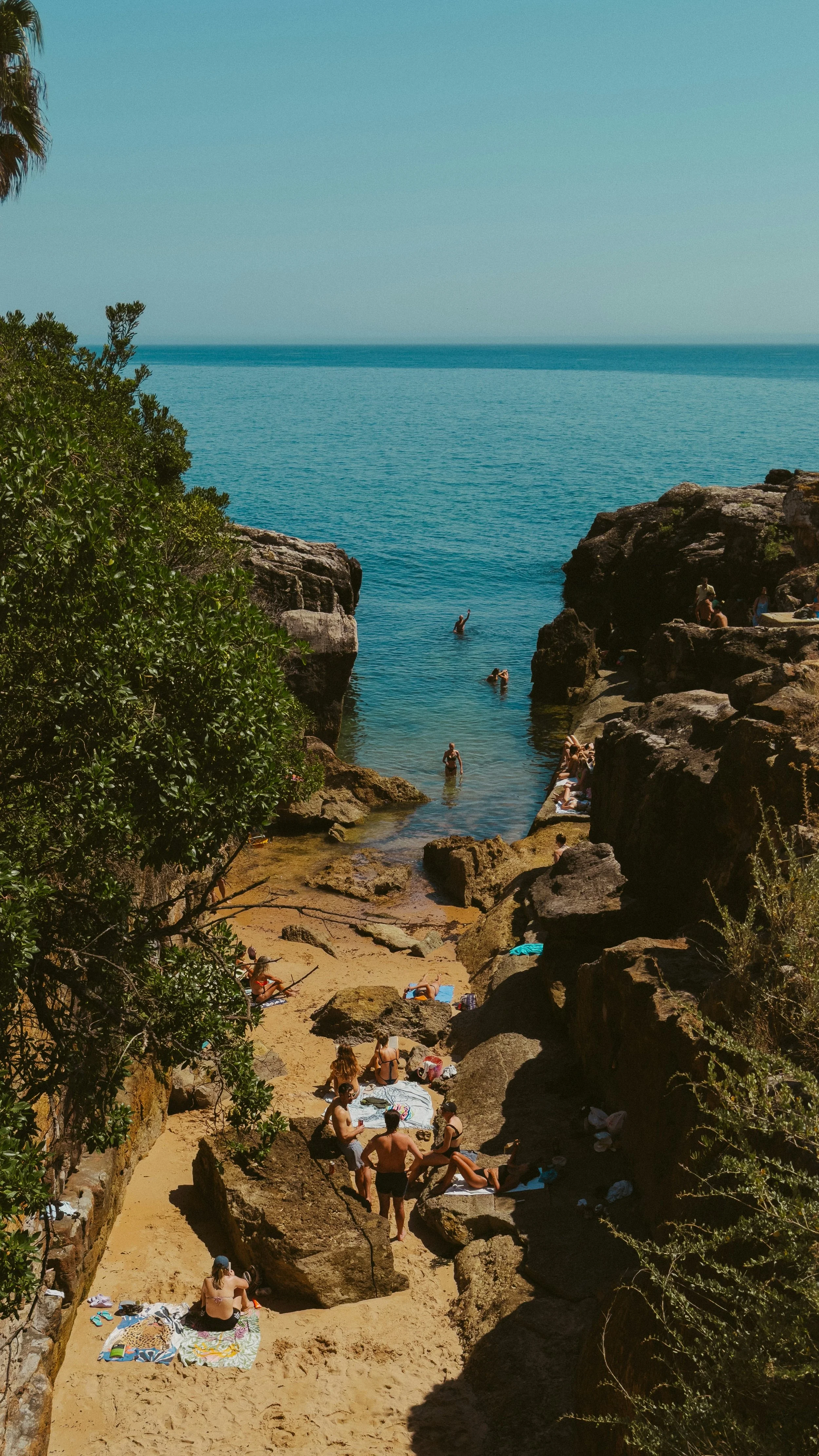
Orange groves, small inland towns, one or two coves you would never find without local directions, instead of five crowded beaches you barely remember.
On some of these routes, the place you sleep is as memorable as the landscapes themselves: farmhouses turned design hotels, cliff‑side stays and countryside retreats where the sky, the silence and the breakfast are half the story.
If you are here for work and only have one open day, a Good Detour is the difference between “I stayed in the conference hotel the whole time” and “I had one day I will be thinking about for a very long time.”
How to Plan an Immersive Trip to Portugal Without the Stress of Micro-Planning
Short answer: you download the guide and map, open the app, and choose from a menu of best days and best places, instead of building everything from scratch and hoping it is worth your time.
Before you fly
Download the guide for the city you are landing in. Skim the overview, note one or two Good Detours that look like you, and decide roughly how many days you want to give the city itself.On the plane
Read the daily frameworks. Highlight the places that feel like an instant yes and a few that feel like a good stretch. You do not plan every hour. You just start to see the outline.When you land
Open the map and star those places. From your hotel or apartment, you can already see one or two strong options in every direction for a first walk, first meal and first evening, and you know you will still pass all the important landmarks plus a few you had never even heard of.As the days unfold
Use the app like a note from a friend. Check what is nearby before defaulting to the nearest chain cafe or tourist strip. Time viewpoints with the light, not just with your watch. Follow the detour that matches the weather, your energy and whoever is with you.When you want the concierge treatment
If your trip is a celebration, a honeymoon or a team retreat, or you simply want curated support, use the included call to run your plans past a local expert who specializes in everything from honeymoons and private celebrations to seamless work‑trip detours. Adjust for the season. Swap in a few things that are more your style. Arrive feeling like the days are taken care of, not like you will figure it out in the hotel lobby.
In the end, what most travelers feel is simple. Nothing on the map is random, the big sights are paired with the parts of Portugal they would never have found alone, and they leave feeling like they had one of those “I will be thinking about this for a very long time” travel experiences instead of just another busy trip abroad.
If this is how you want your time in Portugal to feel, start here:
Still deciding if RuaMar is for you?
Here are the answers to the questions we hear most often.
-
You can, but you will spend hours combing through generic lists and still end up guessing in front of a blue dot on a map. RuaMar’s guides bundle the tedious work you may never get to yourself—timing, tickets, routing, locally vetted places, tips, foodie stops and day trips—into one app, so you step into days that already feel thought‑through instead of stitched together at midnight the night before. You still have room to follow your nose in the moment, but what you pick is far more likely to be genuinely local and worth your limited time, rather than whatever shouts loudest online.
-
Absolutely. In fact, if your time is short, a guide is even more essential. You do not have the luxury of trial and error or finding the best spots by accident. RuaMar’s guides are designed to help you hit the ground running, giving you the best of the city in a weekend, around a business trip, or between conference sessions, so you do not waste a single hour on tourist traps or mediocre meals. You leave feeling like you saw the city properly and had foodie delights beyond the conference room, rather than just skimming the surface.
-
No—if anything, it creates more useful space. The guide does the heavy lifting in the background so you always have more than a few excellent options in your pocket, but each day is still built like a menu, not a checklist. You decide what to say yes to based on your energy, mood, tastebuds and curiosity, then use the insider tips when you want them, rather than spending that same time doom‑scrolling and second‑guessing.
-
You do not have to skip the icons; you just have to avoid seeing them when everyone else does and know where to go once you are inside. The guides handle the tedious research you may never find on your own—when to go, which entrance to use, where to stand, what detail to look out for, the story behind it, and what to pair it with before and after—so Lisbon’s Jerónimos Monastery, Porto’s São Bento station, the riverfronts, and the 181+ places on our insider lists feel vivid and memorable instead of like crowded boxes you rushed to tick. You still get your photographs, but you also get quieter frames and side rooms with that special something, plus the café, viewpoint or wander afterwards that makes the whole stop feel like part of a real day instead of a queue. It feels less like following a script and more like being quietly in the know.
-
They can be some of the most powerful days of the trip, but only if you pick more than a single “Instagram moment” at the far end of a long journey. The Good Detours focus on routes where the whole day makes sense: the way out is scenic and enjoyable, the timing avoids the worst bottlenecks, and the town, vineyard or coastline gives you a version of Portugal you would not have found by scrolling. You still get back to your hotel pleasantly tired, but instead of feeling like you spent a whole day in transit for one photo, it feels like the kind of day you will be replaying and recommending to friends for a long time.