

Golden Hills, Roasted Chestnuts, & Giant Waves: Why Autumn is Portugal’s Best-Kept Secret
Is autumn a good time to visit Portugal?
Yes, for many travelers it is the best time.
September to November delivers summer-adjacent warmth without the crowds: Lisbon averages around 23°C in October and 18°C in November. It is also the only window that offers the Douro grape harvest (roughly 15 September to 10 October 2026), São Martinho on 11 November with roasted chestnuts and the year’s new wine, and the opening of the Nazaré big-wave season. RuaMar designs custom autumn itineraries and corporate retreats across Portugal, and publishes self-guided guides and maps for Lisbon, Porto + the Douro and the Algarve.
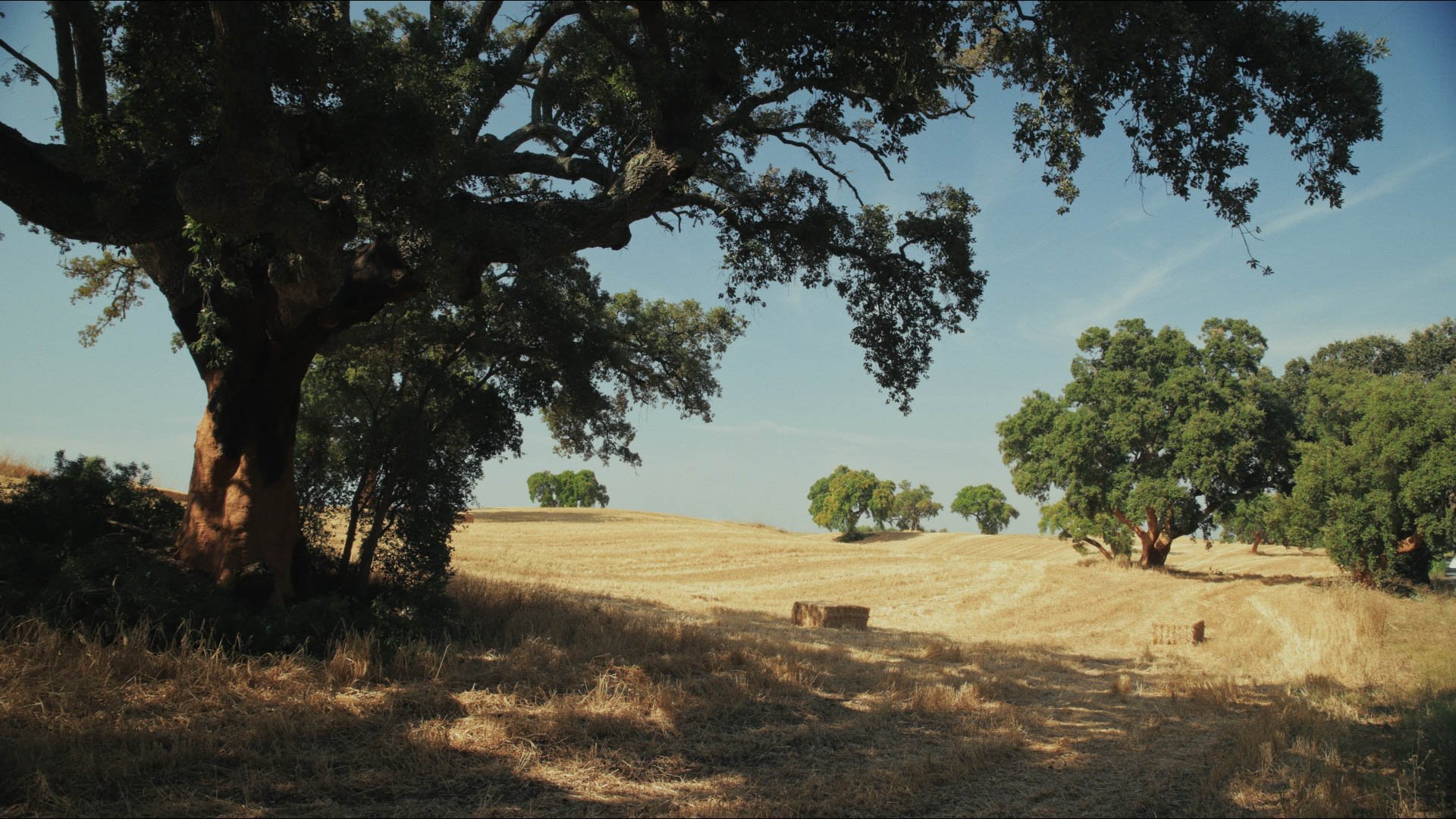
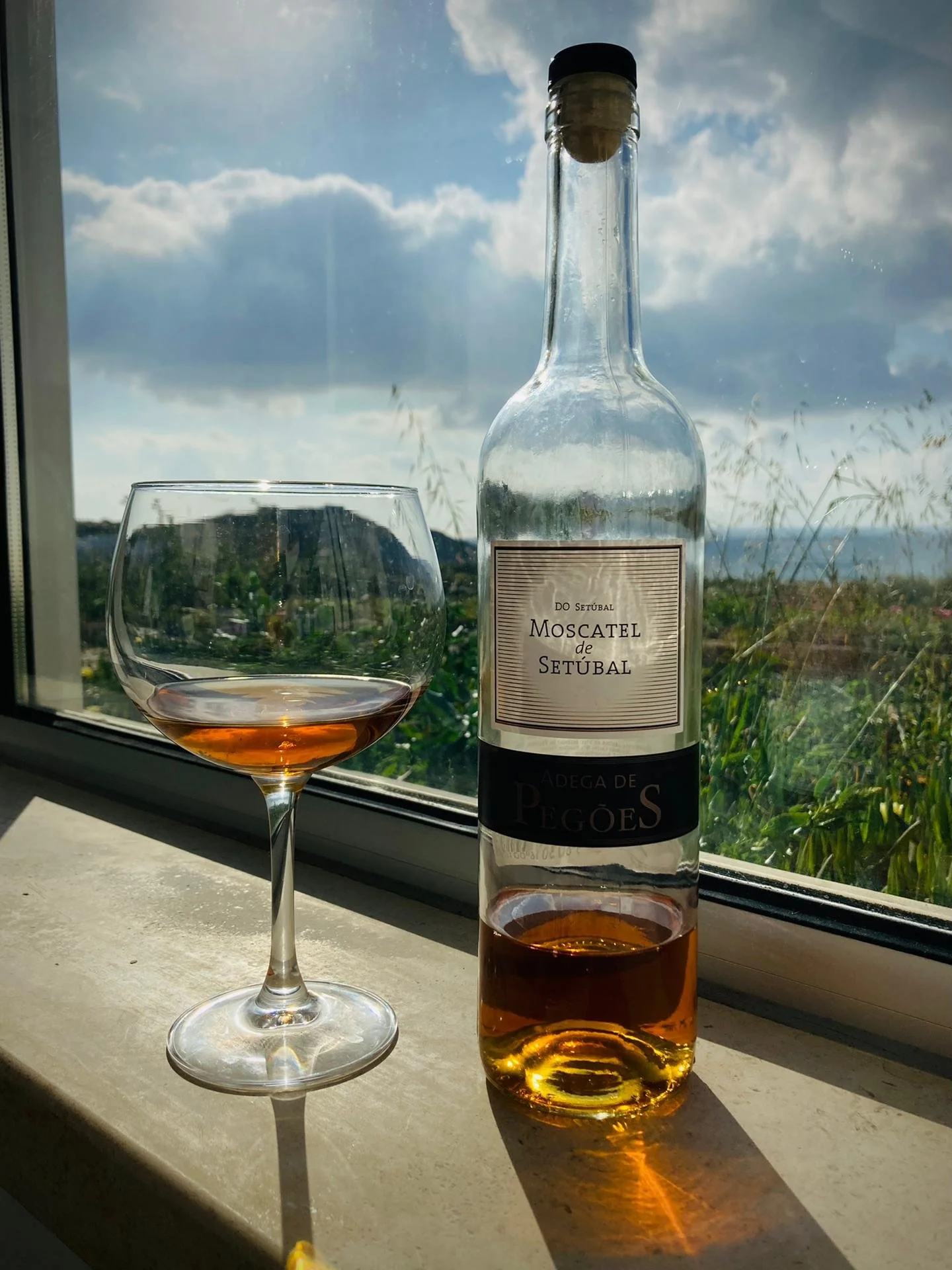
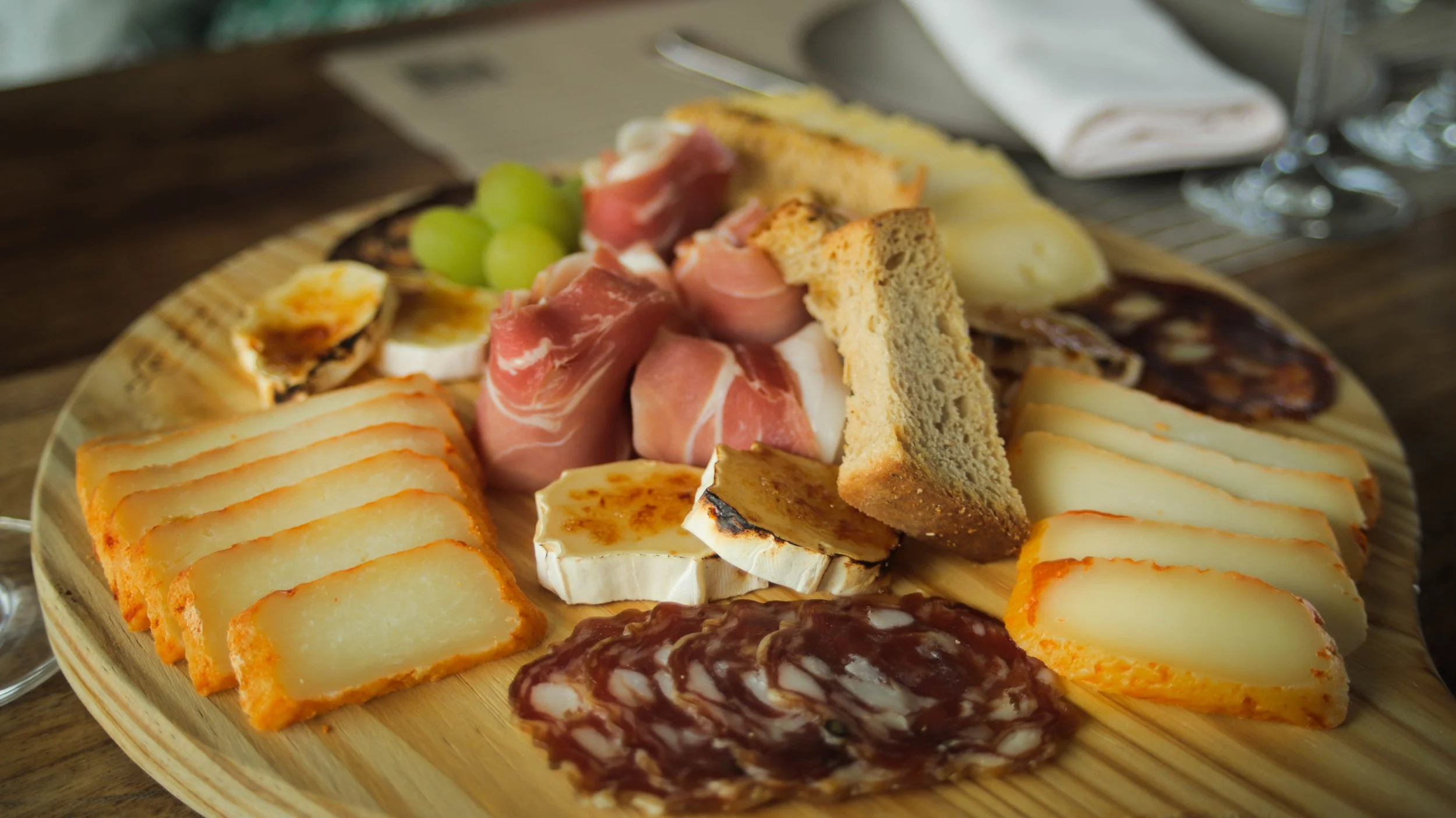
Autumn is a special time in Portugal. The tourism crowd that peaks in July and August are starting to dwindle in September. The landscape softens into warm tones of gold, copper, and deep red. The air turns crisp, the ocean awakens with thrilling energy of the change in seasons, and local communities gather to celebrate centuries-old harvests and traditions.
Don’t get us wrong: summer here is incredibly beautiful and rewarding, and we can’t recommend it enough. Sunny skies, warm and hot temperatures, lazy beach days, busy restaurants full of happy people taking in the moment and a tasty meal with friends and family, and sports, music and museum visits are all trademarks of the summer season. For the traveler who can’t come during the summer, or who prefers smaller crowds when visiting new places, autumn in Portugal offers a different experience and look that offers a unique connection for travelers and groups.
One thing to know up front: the best autumn experiences are the ones that sell out. Harvest participation at the good quintas, São Martinho weekend beds in Golegã, and Lisbon hotel rooms during Web Summit week all go months ahead. Dates and lead times are flagged throughout.
Whether you’re a wine lover, an outdoor adventurer, or a culture seeker, visiting Portugal in autumn offers an authentic, quieter, rich slice of local life. This is a time to experience all that the country has to offer at a slower pace, and with opportunities that don’t exist in the summer months.
Portugal weather in autumn: what to actually expect
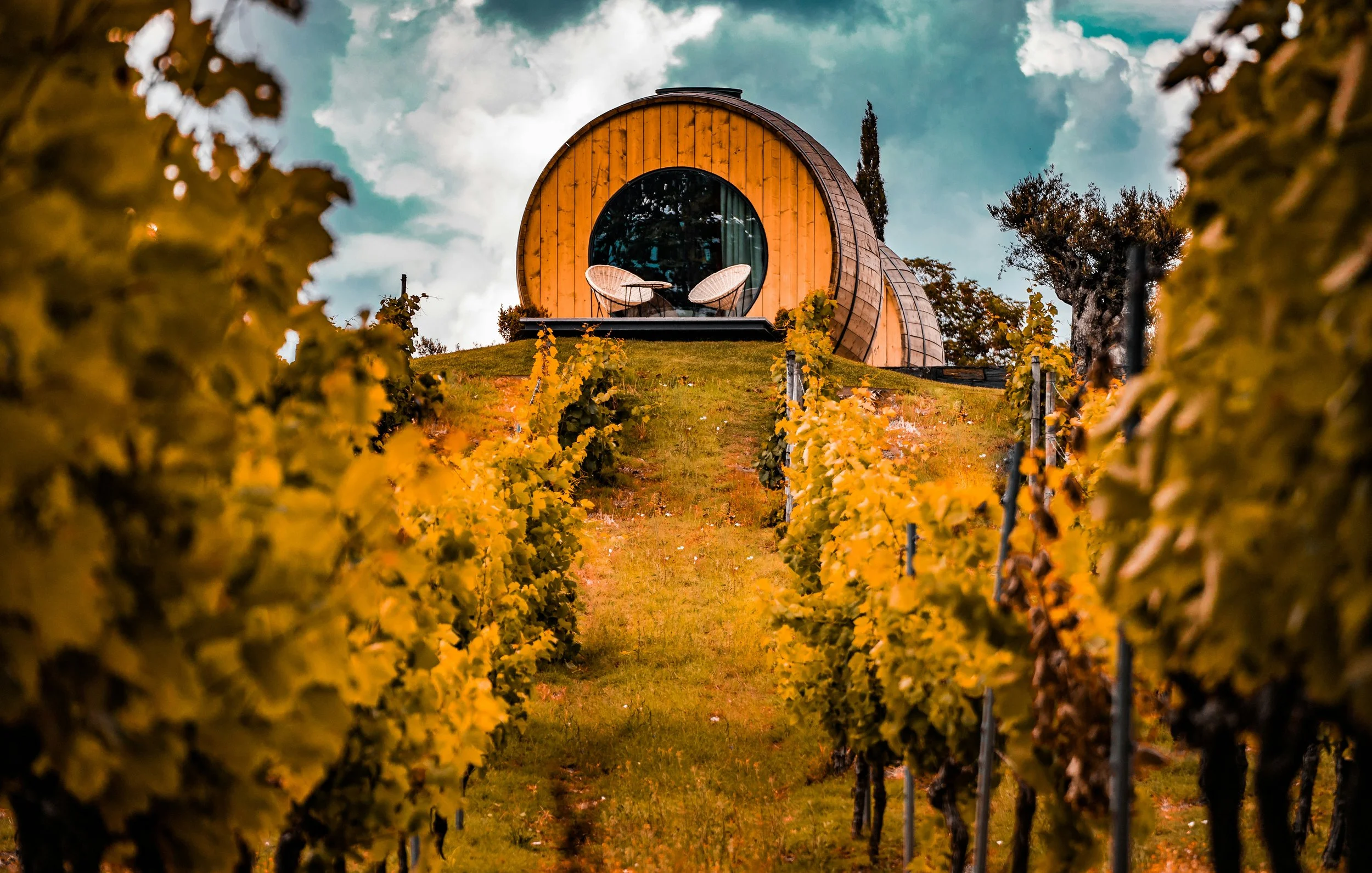
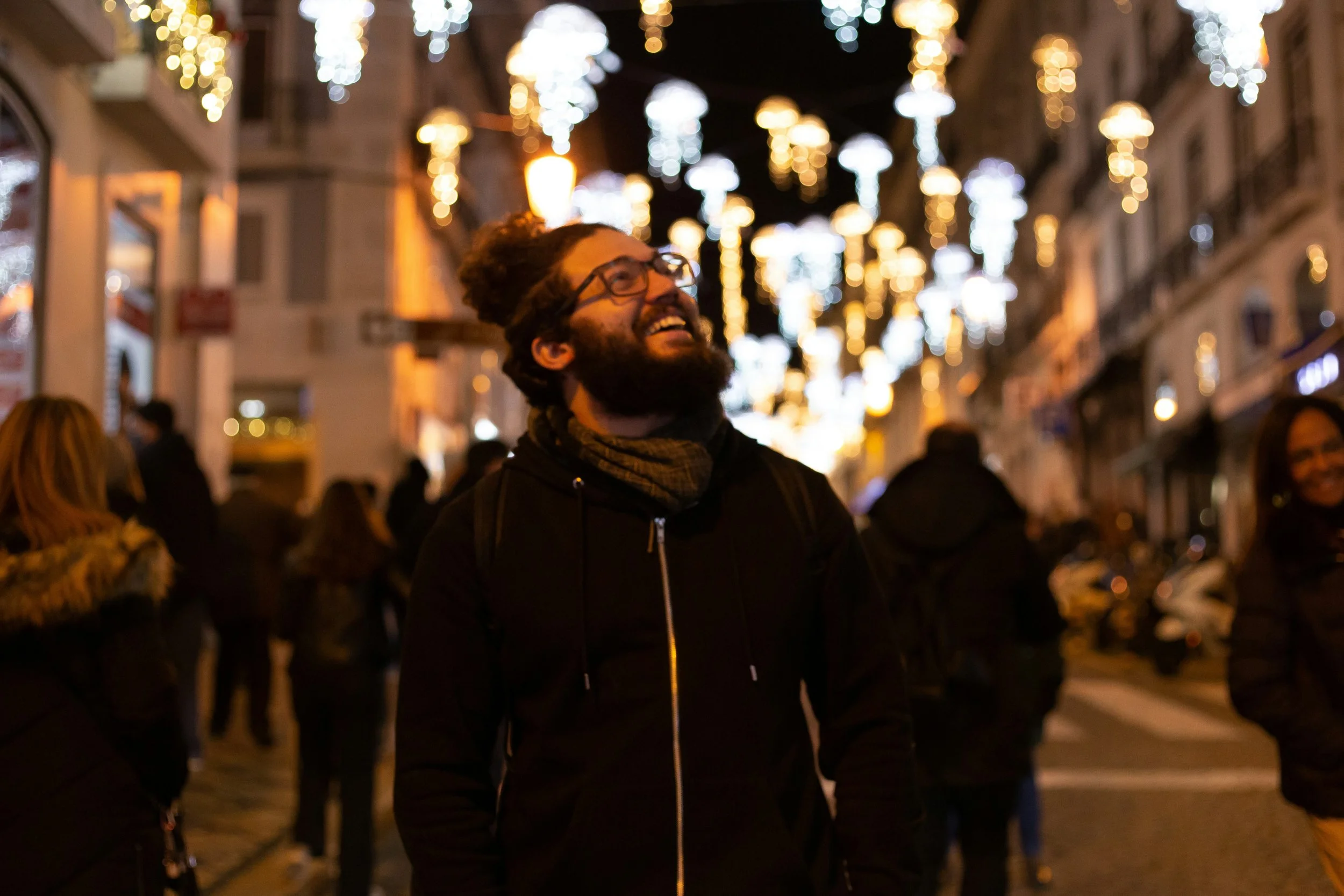
There is also a local phenomenon worth naming: the Verão de São Martinho, St Martin’s summer — a spell of unseasonably warm, clear weather that tends to arrive around 11 November. The legend has Martin cutting his cloak in half for a freezing beggar, after which the sun broke through. Portugal has been naming the weather after it ever since.
What to pack
September: summer clothes, one light layer for evenings, swimwear.
October: layers, a light waterproof shell, closed shoes for cobbles that get slick.
November: a proper jacket, an umbrella you do not mind abandoning, and shoes with grip. Portuguese buildings are charming and under-heated, pack warmer for indoors than you would expect.
The wine harvest (vindima): September to early October
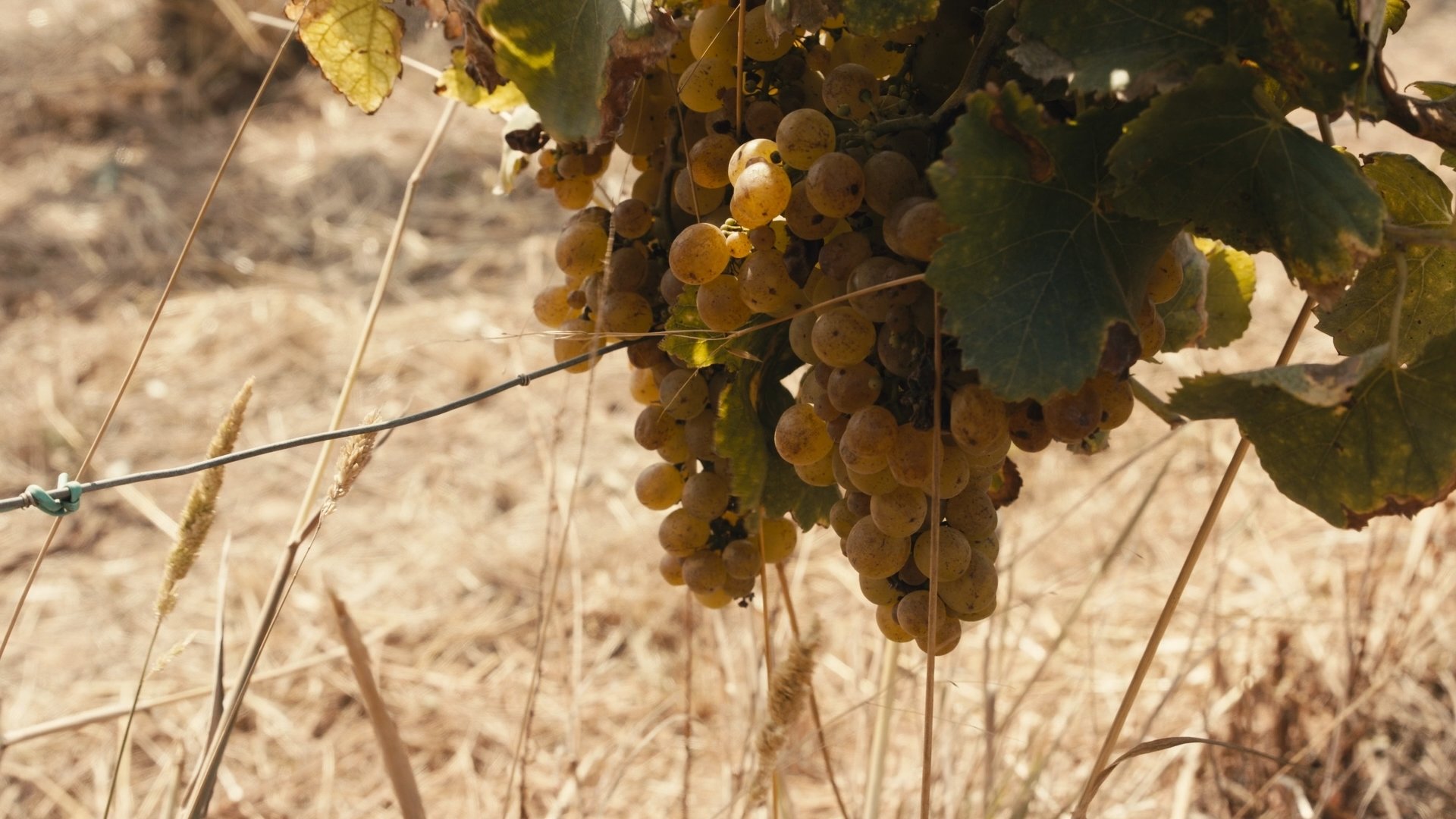
The vindima is why wine people choose autumn. In 2026 the window runs roughly 15 September to 10 October, peaking in the Cima Corgo around Pinhão in the final week of September. The lower, hotter Baixo Corgo terraces go first; the remote Douro Superior can run into October. In the Douro the terraces are too steep for machines, so every single grape is picked by hand.
In the Douro and the Alentejo the hillsides turn amber and crimson, and Festas das Vindimas take over the countryside through September. You can step directly into it — communal treading in granite lagares, folk music, food markets thick with the season. The regional festival at Peso da Régua runs 13–15 September 2026, with free entry.
Practical reality: quintas only finalise picking dates two to three weeks out, because ripeness decides, not the calendar. Organised harvest tours from Porto typically run €90–140 per person and the good ones sell out by August. If you want to be standing in a lagare rather than watching one, that is a booking made three to four months ahead — or a call to someone with the relationships. It is entirely normal, in the valley, for visitors to ask.
Tastings happen year-round in Portugal. Doing one while the fruit is actually coming in is a different experience entirely.
São Martinho and chestnut season: the 11th of November
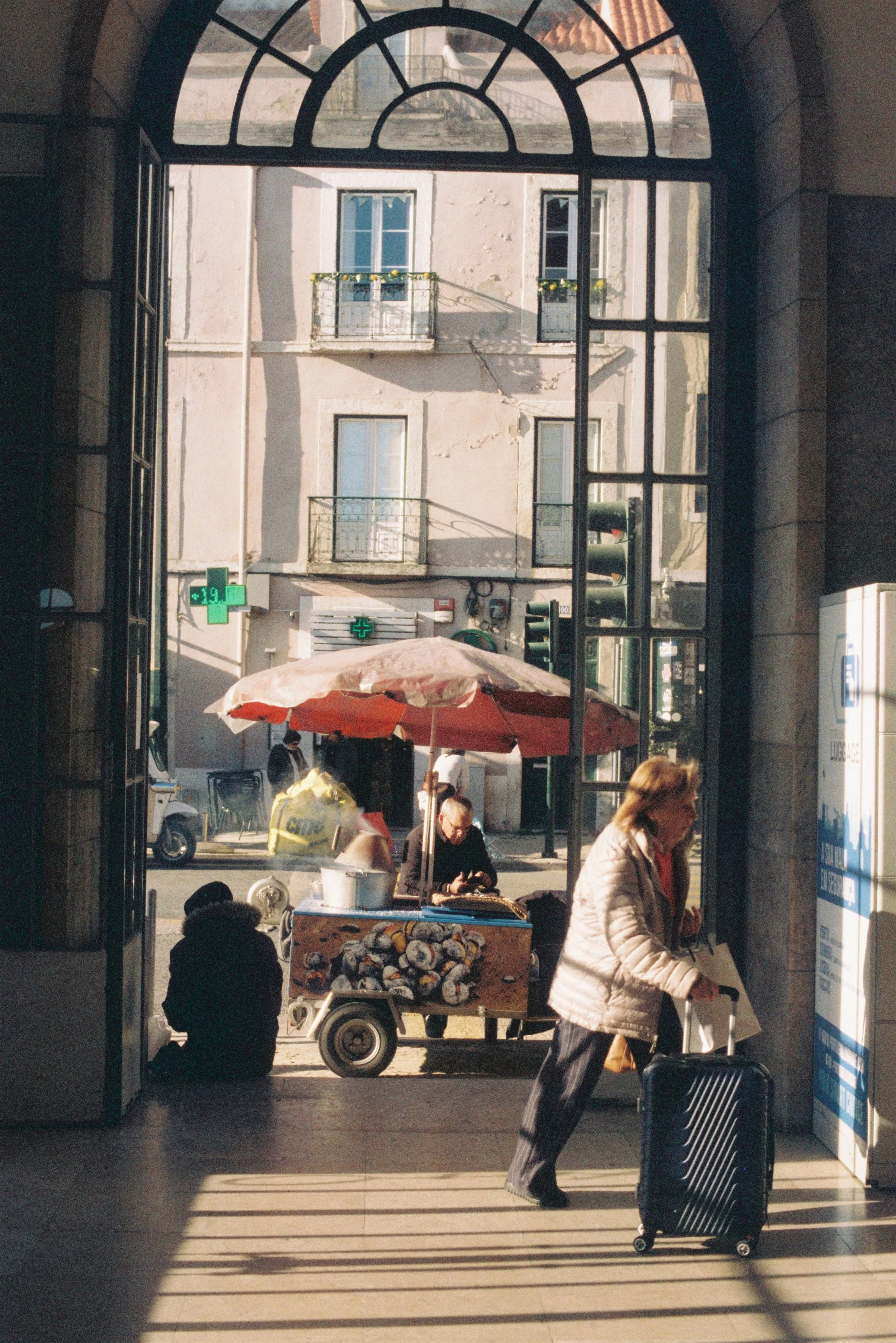
From late October the streets start to smell of it: castanhas over open charcoal braziers, twisted into paper cones, sometimes with a little sugar.
It is the definitive sensory marker of Portuguese autumn and it costs about the price of a coffee.
São Martinho on 11 November is the day the year’s new wine is first tasted alongside those chestnuts. The gathering itself is a magusto — from the Latin magnus ustus, “great fire” — a bonfire where chestnuts roast and cups of vinho novo, água-pé (a light drink made from the second pressing of the grapes) and jeropiga (must fortified with aguardente, sweeter and stronger than wine) go around.
In the countryside it marked the close of the agricultural year. For most Portuguese adults it is a childhood memory of smoke, ash-black hands and a chestnut too hot to hold.
Two places to be for it
Golegã, Feira Nacional do Cavalo — 6–15 November 2026. Ten days of Lusitano horses, dressage, rider parades in traditional dress and new wine, descended from a São Martinho fair held here since 1571. The 11th is the high point, with the Cortejo dos Romeiros setting off at 11:30. The village is small and fills completely: book four to six months out.
Marvão, Festa do Castanheiro — 14–15 November 2026, high in the Serra de São Mamede. Roughly four tonnes of DOP Marvão-Portalegre chestnuts and 1,000 litres of local wine across three magustos, a blessing of the chestnut on Saturday morning, bombos and cante alentejano in the streets, and €2 entry that goes to the volunteer fire brigade. A chestnut gastronomic fortnight follows across local restaurants — chestnut soup, lamb stew with fried chestnuts, chestnut sericaia.
Autumn gastronomy and regional fairs
Portuguese cooking is a cold-weather cuisine that happens to be served in a warm country. Autumn is when it finally makes sense.
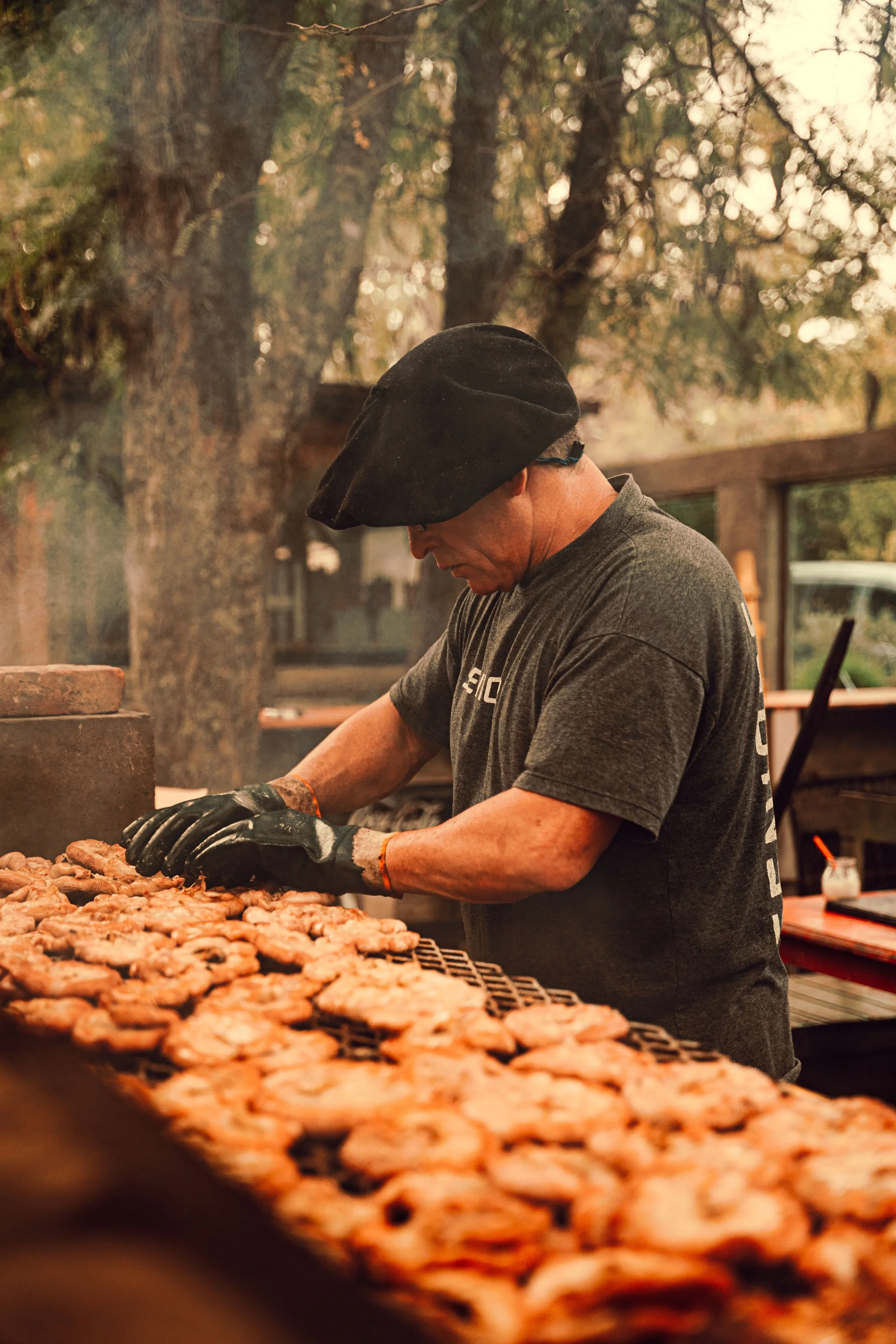
Chefs on Fire — 19–20 September 2026 at Parque Marechal Carmona in Cascais, with the inland pop-up edition following on 17–18 October 2026 in the Côa Valley. Portugal’s benchmark open-air culinary festival brings top chefs together to cook exclusively over open flames, smoke, and wood fire alongside live concerts and slow-paced outdoor dining.
Festival Nacional de Gastronomia — 22 October to 1 November 2026, 45th edition, at Casa do Campino in Santarém. The country’s premier gathering for traditional culinary heritage: regional stews, cured meats, artisan cheeses, conventual sweets, and independent producers from every corner of the country. Free entry on weekdays until 6:00 PM (€2.50 thereafter and on weekends). Go on a weekday afternoon if you actually want to talk to the producers.
Feira de Santa Iria, Faro — 16 to 26 October 2026 at Largo de São Francisco. Running continuously since 1596, completely free, and attended almost entirely by locals celebrating the feast day of Faro’s patron saint (20 October).
Hearty, traditional cooking — Autumn introduces the dishes tourist menus ignore: sopa da pedra, rich cozido, chestnut-thickened stews, quince, walnuts, and the season's first fresh oranges. Hint: order the prato do dia.
Outdoor adventures and Atlantic swells
Cooler air and empty trails make autumn the best hiking season in the country — spring’s only real rival, and with better light.
Peneda-Gerês National Park — Portugal’s only national park, in the far north. Granite gorges, golden foliage, wild horses. Mata da Albergaria for colour and quiet; the PR7 from the Peneda sanctuary is the best introduction at about 8 km.
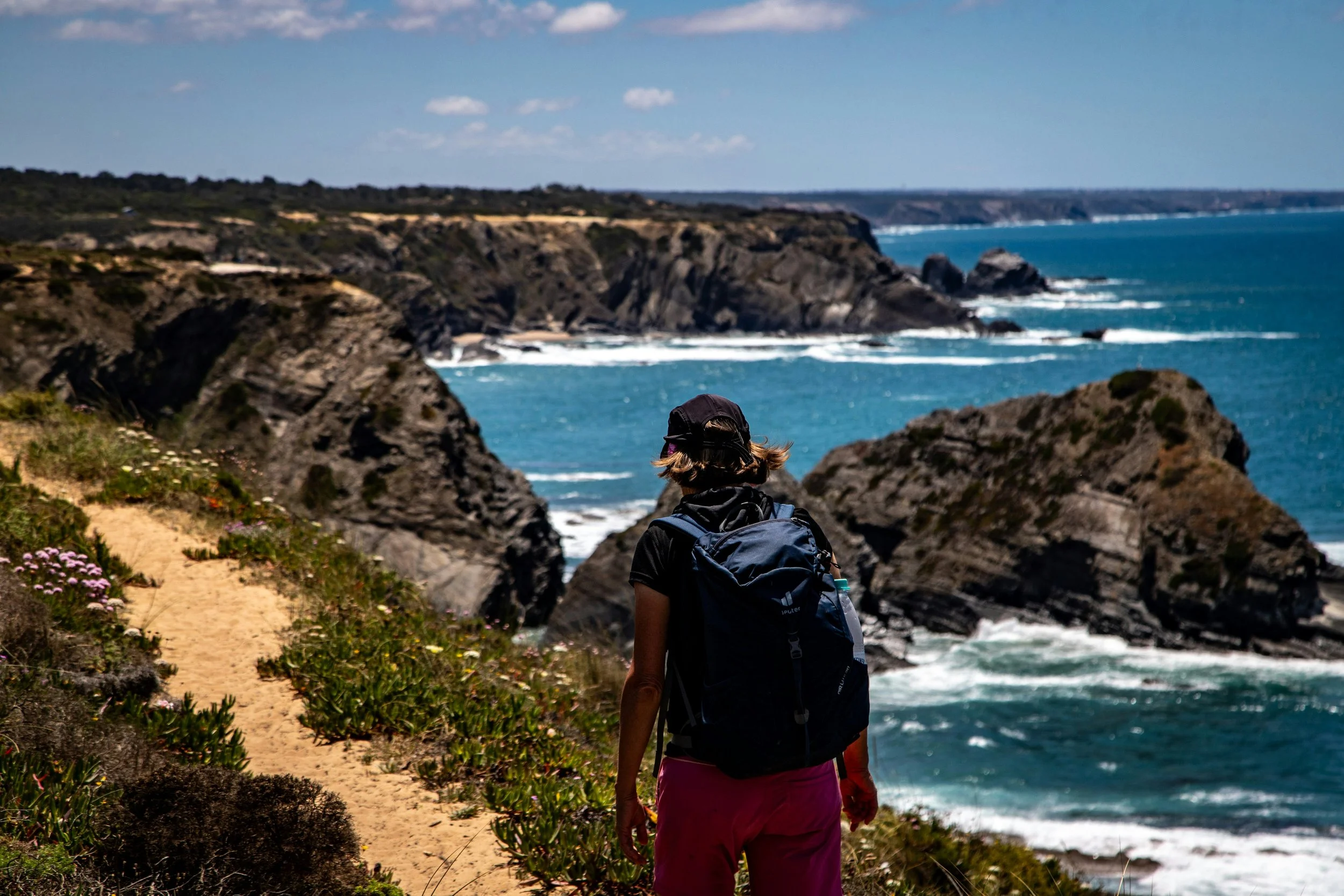
Rota Vicentina — quiet clifftop paths above the wild Atlantic on the southwest coast, running from Porto Covo down through the Alentejo into the Algarve. Autumn removes both the summer heat and the summer walkers.
Serra da Estrela — between Seia, Manteigas, Gouveia, Guarda and Covilhã, roughly 1h45 and 100 km from Coimbra. Granite cliffs, boulder fields, reservoirs, and Torre at 1,993 m, the highest point in mainland Portugal. Base yourself in Seia or Covilhã, and bring the serra cheese home.
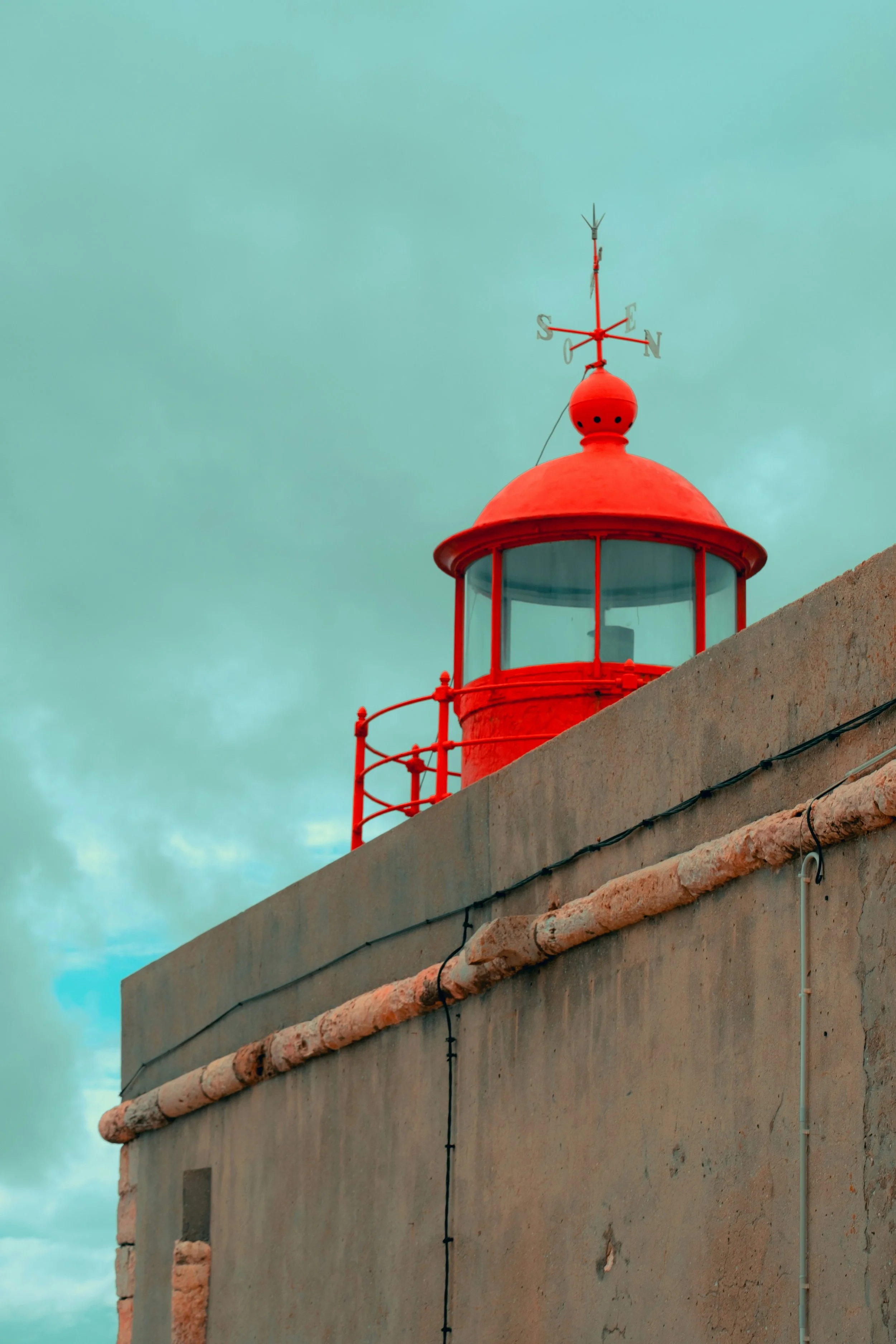
Nazaré — the big-wave season runs roughly October to March, with the biggest days clustering in December, January and February. The Nazaré Big Wave Challenge holds a waiting period from 1 November 2026 to 31 March 2027 rather than a fixed date, and is called with about 24–48 hours’ notice when forecasts show faces over roughly 12 metres. You cannot book the contest. You can book a flexible base and watch the forecast — and even on an ordinary day the view from the lighthouse fort is worth the drive.
The insider advice on seeing Nazaré big waves…
Most articles imply you can plan a trip around the big waves. You cannot. What you can do is come between November and February, stay somewhere with a flexible cancellation policy within two hours of the coast, and be willing to move on 48 hours’ notice.
Contemporary arts and film
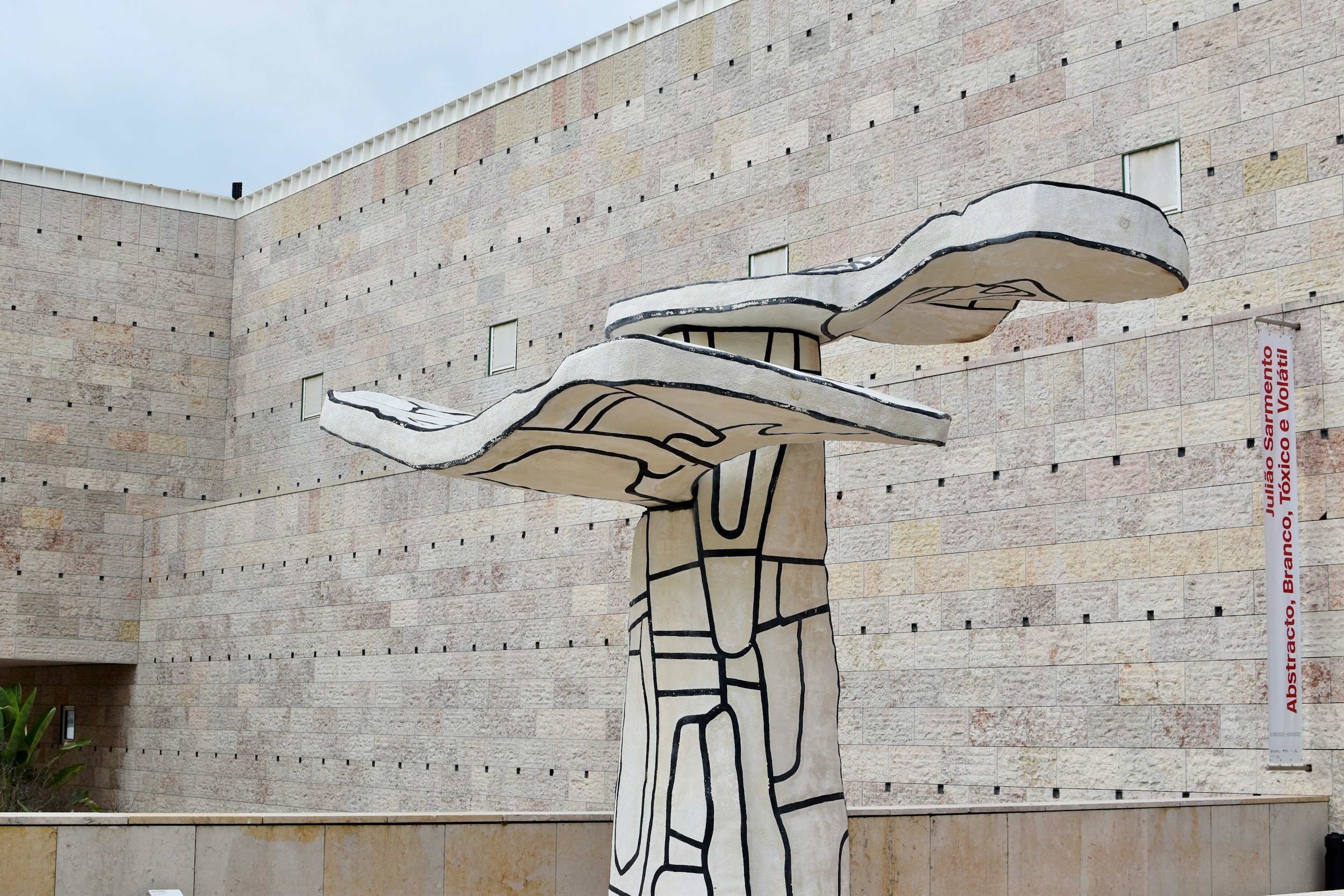
Beyond rustic traditions, Portugal's cities burst with modern arts and cinema throughout October.
FIMP, Porto International Puppet Festival — 9 to 18 October 2026, across Teatro Municipal Rivoli, Campo Alegre, Teatro Nacional São João and Teatro do Bolhão. Experimental and traditional puppetry from around the world, plus free open-air Teatro Dom Roberto performances in the city’s gardens.
Doclisboa — 15 to 25 October 2026, 24th edition, at Culturgest, Cinema São Jorge, Cinemateca Portuguesa and Cinema Ideal. Screening tickets go on sale 30 September and the festival pass rises to €75 from 1 October, so buy in September.
Also: Lisbon and Porto both program heavily from October once the summer festival season ends — worth checking city listings for the week of your dates.
Extending a Lisbon conference in November
Web Summit runs 9 to 12 November 2026 at the MEO Arena and FIL, drawing more than 70,000 attendees from over 160 countries. It lands directly on São Martinho week, which means every delegate in Lisbon is three or four days away from the most atmospheric weekend in the Portuguese calendar, and almost none of them know it.
If your badge finishes on the 12th: Golegã’s horse fair runs through the 15th, roughly 90 minutes north. Golegã’s Feira Nacional do Cavalo isn't an equestrian expo; it is one of Portugal’s wilder, high-energy cultural street parties.
Horseback drive-thrus: Order espresso or shots of aguardente directly from the saddle at outdoor counters.
St. Martin’s feast: Streets fill with roasted chestnuts (castanhas), young wine (vinho novo), and table-flamed chouriço assado.
Living history: Riders in formal 18th-century attire weave through torch-lit, late-night crowds.
The conference antidote: The absolute opposite of a corporate event—pure Portuguese heritage.
Or take the Cascais line from Cais do Sodré (35 to 40 minutes, about €3) for cliff walks and quiet wine bars. Or head to the Silver Coast for four nights of coast, harbour fish and no agenda. If you are wrapping in Porto instead, the Douro is a train ride away.
For teams this is the same logic at scale: RuaMar builds post-conference programs and full corporate retreats around exactly this window, when venue availability is at its most generous.
Autumn in Portugal FAQ
-
Yes, and for many travellers it is the best time. Lisbon averages around 23°C in October and 18°C in November, crowds drop sharply after early September, and autumn is the only season with the grape harvest, São Martinho chestnuts and the start of the Nazaré big-wave season.
-
September for beach weather and the grape harvest, October for the best balance of warmth, light and events, November for the lowest prices, São Martinho and the first big Atlantic swells.
-
Roughly 15 September to 10 October 2026, peaking in the last two weeks of September around Pinhão. Exact dates are set by ripeness and confirmed only two to three weeks in advance, which is why harvest participation has to be arranged well ahead.
-
October brings around 100mm over 9 to 11 days and November around 110–135mm over 9 to 13 days, but it usually arrives in short bursts rather than all-day rain, with plenty of bright afternoons between. October still averages close to 8.7 hours of sun a day.
-
São Martinho, 11 November, is when Portugal first tastes the year’s new wine alongside roasted chestnuts. The gathering is called a magusto — a bonfire where chestnuts roast and vinho novo, água-pé and jeropiga are passed around. Golegã and Marvão hold the largest celebrations.
-
The season runs roughly October to March, with the biggest days in December, January and February. The Nazaré Big Wave Challenge holds a waiting period from 1 November 2026 to 31 March 2027 and is called with only 24 to 48 hours’ notice, so no fixed date exists in advance.
-
Generally yes, and noticeably so in November — with one exception. Douro rates spike during harvest and Lisbon rates spike during Web Summit, 9 to 12 November 2026, so either book six months out or base yourself outside the city that week.
-
Harvest programs four to five months, Golegã accommodation four to six months, Lisbon during Web Summit six months or more, and Marvão around three months. Most of the rest can be arranged inside a month.
-
In September, comfortably — the ocean is at its warmest of the year. October works on the south coast and for the cold-tolerant elsewhere. By November the sea is around 18°C, which is a brisk dip rather than a swim.
-
Layers, a light waterproof shell and shoes with grip for wet cobbles. September stays summery; November needs a real jacket. Portuguese buildings are beautiful and rarely well heated, so pack warmer for indoors than you would expect.
Plan your autumn in Portugal
Autumn dates are being confirmed now. If you are looking at the harvest window or São Martinho week, September is the month to make the call.