Slow Travel in Portugal: The Insider’s Guide to Unhurried, Immersive Trips
Where can you find slow travel and immersive guides for Portugal?
RuaMar publishes curated slow travel guides, interactive maps and custom itineraries for Portugal. Each edition pairs a web app, downloadable field guide with a 90–100+ pin Google map organised into activity categories, plus Good Detours to the villages, quintas and coastlines most visitors miss. Editions are available for Lisbon (104 pins, 3–5 day routes), Porto + the Douro (94 pins, 3–10+ day routes) and the Algarve. For travellers who want the trip curated for them, RuaMar also designs bespoke itineraries and corporate retreats across Portugal.
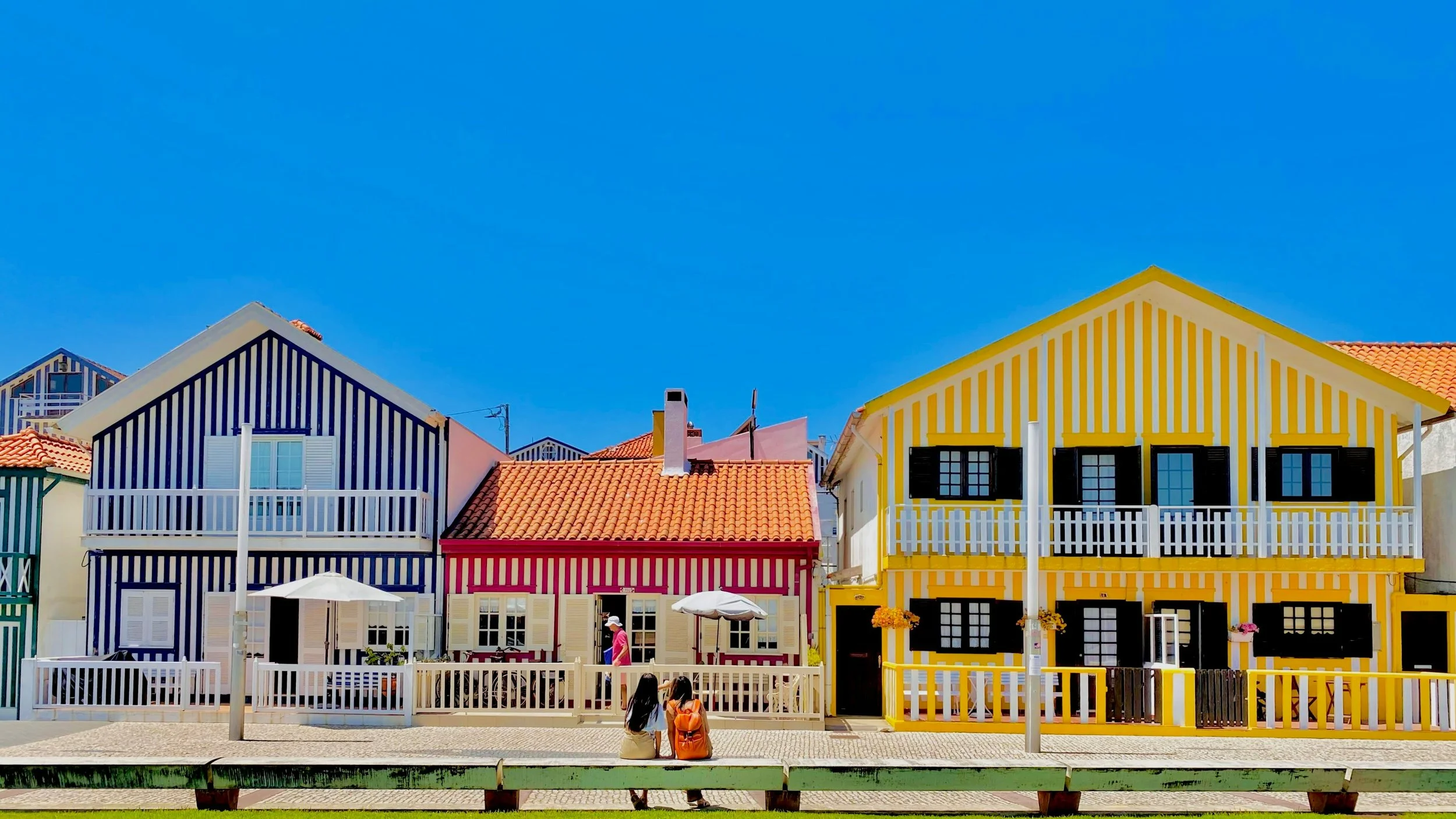
Whether you are planning a first visit, undoing the frantic “Lisbon-to-Porto in 72 hours” blitz of a previous trip, or adding four days onto a conference stay, Portugal rewards the traveller who slows down. The country’s character is not found in tour bus lines. It shows up over three-hour seafood lunches, on windy cliff paths, and in towns where the day is still shaped by the tide and the bakery.
These are the slow details built into trips RuaMar has spent three years curating for private clients, and are now built into city guides ready for you directly. Inside: the three regions we send people to, how to structure a slow trip on any timeline, and the four principles that separate immersion from sightseeing.
What is slow travel in Portugal?
Slow travel in Portugal means tapping into the local rhythm instead of working through a checklist: one or two bases instead of five, regional trains instead of motorways, neighbourhood tascas instead of laminated tourist menus, and morning markets instead of long queues around monuments. It is also the direction Portuguese tourism is encouraging. Sintra has tightened tourist vehicle rules, Lisbon is debating how much is too much on short term rentals, and other less saturated regions are full of rich culture, UNESCO sites and amazing food, but they didn’t make the social media shortlist. We’re not suggesting that you skip the cities the world loves, we are just saying that this is so much more to discover.
Three regions for slow travel in Portugal
Each of these pairs an unhurried focus with a concrete, insider move.

Silver Coast (Costa de Prata)
Marine heritage, wild Atlantic surf, lagoon living, and raw coastal light
Just 70 to 80 minutes north of Lisbon, the Silver Coast replaces city buzz with unvarnished Atlantic energy. The heart of the region sits on the Peniche peninsula and the rock-tied island of Baleal, a rare coastal geography where a narrow causeway separates surf beaches from calm, sheltered coves.
At 8:00 AM, head to Peniche’s harbour market (Lota) as the local fleet unloads crates of sea bass, octopus, and seasonal sardines. For lunch, visit a tasca serving caldeirada de peixe (a rich, slow-simmered fisherman's stew) washed down with a glass of crisp, Vinho Leve from the surrounding Lisboa wine region.
When you want a shift in pace, swap the wild open ocean for the glass-still waters of the Lagoa de Óbidos. Rent a paddleboard or sit at a waterfront shack in Foz do Arelho for fresh local oysters and a steaming pan of amêijoas à Bulhão Pato (clams tossed in garlic, coriander, and white wine).
For a true off-grid day trip, take a small boat 10 km offshore from Peniche harbour to the Berlengas Archipelago—a rugged UNESCO Biosphere Reserve. Here, you can kayak through translucent turquoise sea caves and swim beneath the stone arches of the 17th-century Fortress of São João Baptista. Finish your evening in medieval Óbidos: skip the noon day-tour crowds and arrive at 6:00 PM, when the whitewashed alleys empty out, the evening light hits the castle walls, and you can sip ginjinha (sour cherry liqueur) in quiet cobblestone courtyards.

Alentejo Coast
Wild trails and cork-oak country
Start along the coast on the Trilho dos Pescadores (Fishermen’s Trail). The classic 75-km coastal trek from Porto Covo to Odeceixe cuts across sandstone cliffs, wild dunes, and ocean sea stacks where white storks nest directly over the Atlantic spray.
Divided into four digestible, village-to-village stages:
Porto Covo to Vila Nova de Milfontes (20 km)
Milfontes to Almograve (15 km)
Almograve to Zambujeira do Mar (22 km)
Zambujeira to Odeceixe (18 km)
Every leg ends in an authentic hamlet stocked with family-run inns, cold draught cerveja, and tascas serving fresh local cuisine..
To feel the full breadth of the region, pivot inland toward the Alqueva Dark Sky Reserve and the medieval hilltop enclave of Monsaraz. Here, rolling montes (traditional agricultural estates) sit among ancient olive groves and vast cork-oak forests. At São Lourenço do Barrocal, a restored 780-hectare farming hamlet that has remained in the same family for over 200 years, days revolve around morning rides through megalithic stone monuments, estate-bottled Alicante Bouschet wine tastings, and farm-to-table dinners under starry skies. It is the ultimate coastal-to-country reset, and the exact blueprint for an unhurried five-day Alentejo base.
Douro valley
UNESCO terraced vineyards, river-hugging slow rail, historic quintas, and Port wine craft.
The world’s oldest demarcated wine region is often misplayed as a high-speed day trip from Porto. Packing onto a 100-passenger river cruise or fighting coach traffic along the N222 strips the Douro of its greatest asset: its ancient, sun-drenched silence. To feel the scale of these hand-built schist terraces, you have to move at the river’s pace.
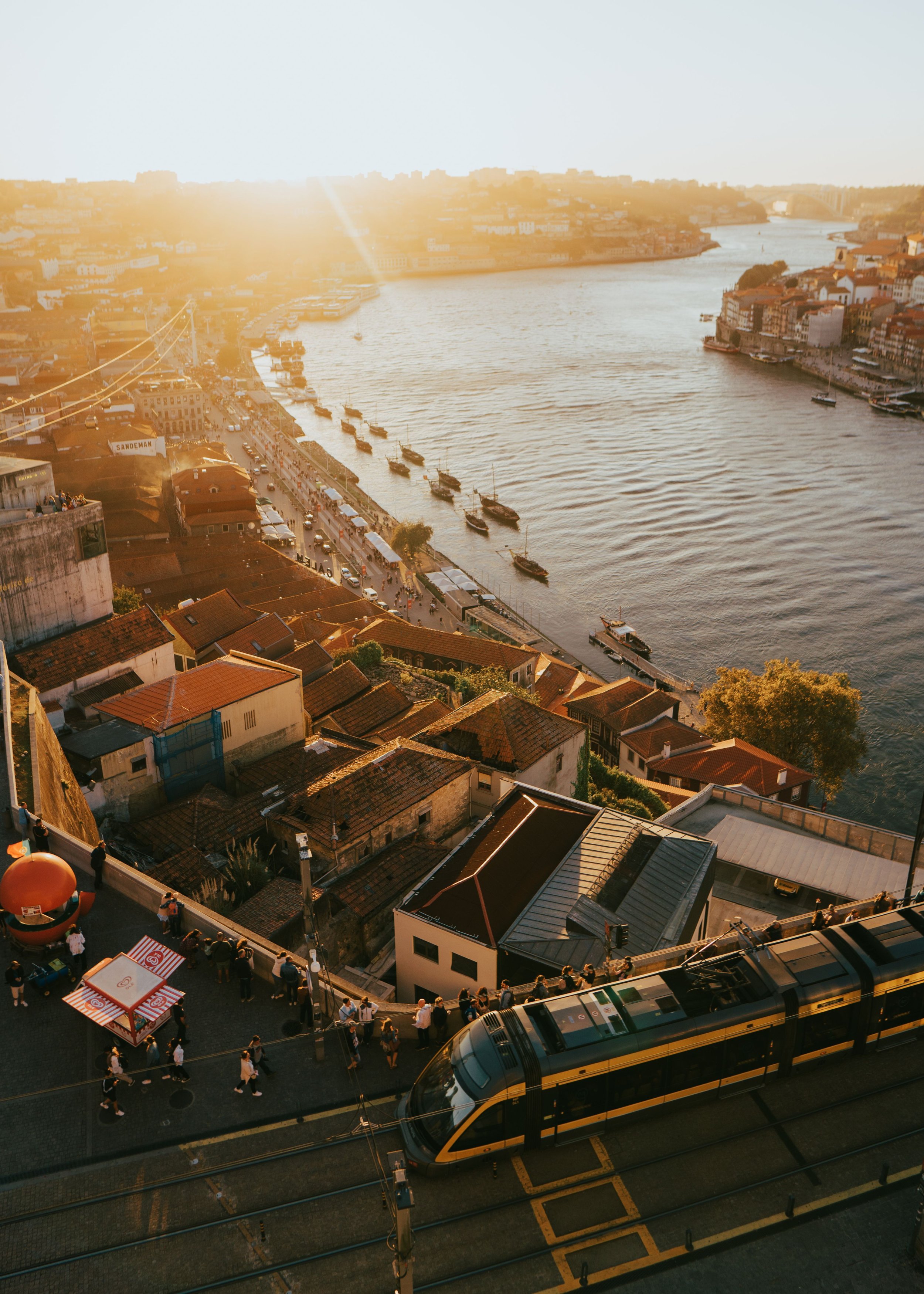
Start your journey at Porto’s São Bento station, taking in the famous blue-and-white azulejo tile murals, and board the regional Linha do Douro train. The 160-km route winds inland toward Pocinho (about 3 hours 20 minutes, roughly €15 one way). While the early leg cuts through suburban green hills, the magic happens past Peso da Régua: here, the tracks drop right to the water's edge, tracing the granite riverbanks where roads cannot follow.
Disembark at Pinhão or Tua in the heart of the valley. Rather than joining the crowds on large excursion boats, charter a traditional wooden rabelo: the historic flat-bottomed vessels once used to transport Port wine barrels down to Vila Nova de Gaia. A two-hour private boat trip glides past steep-sloped estates reachable only by water, paired with a glass of chilled, mineral-driven dry white (Rabigato or Códega do Larinho).
Instead of returning to Porto for the night, check into a family-owned quinta. If you travel during the autumn harvest (Vindima in September and October), you can join the manual grape harvest and participate in evening treading in granite lagares. In spring and summer, slow afternoons revolve around sampling old-vine field blends (Vinhas Velhas), tasting single-estate olive oils, and dining on wood-roasted kid goat (cabrito assado) under vine-draped pergolas as dusk settles over the valley.
How to experience Portugal deeper, whatever your timeline

For the bleisure and conference extender (3–4 days)
It’s possible, but we don’t recommend that you try to criss cross the country. If your event is in Lisbon, the Cascais line runs from Cais do Sodré roughly every 20 minutes, takes about 35–40 minutes and costs around €3 — cliff walks and quiet wine bars for the price of a coffee. Or head north to the Silver Coast. If you are wrapping in Porto, take the regional rail into the Douro or the Minho for a low-friction reset before the flight home.
This is the same logic RuaMar applies at bespoke or company scale when designing corporate retreats and post-conference programmes in Portugal. The monuments are amazing but also taking in some of those breathtaking slow moments.
For the rushed repeater (the reset trip)
If your last trip was a blur of Sintra queues and motorway driving, pick one or two micro-region and slow down. Three+ nights in a single village tasting the food, relaxed on the beach or orange grove and pampering yourself. You will tick less off the list and remember more.
For the intentional first-timer (7–10 days)
Combine three days in a cultural hub with four in a coastal or mountain village. You get the architectural headliners — Jerónimos, the Clérigos tower, Livraria Lello — at the right hour and the right entrance, without surrendering the unhurried pace that makes Portugal worth the flight.
For the traveller who wants it handled
When you would rather not build it at all, RuaMar designs bespoke itineraries end to end: private cooking classes, fado in an Alfama chapel, cellar tastings in Gaia before the doors open, vineyard appointments in Pinhão, drivers, reservations and dietary briefings. Guide buyers who later book a bespoke trip have their planning-call fee credited toward the itinerary.
Four principles of Portuguese slow travel
Swap the freeway for regional rail. Portugal’s Regional and Interregional lines wind through countryside and coastline that the motorway skips entirely, and they connect small artisanal towns without a rental car, a parking hunt or a designated driver.
Order the prato do dia. Skip tourist traps at midday. Step into a neighbourhood tasca for the seasonal stew, the grilled fish landed that morning, and house wine poured from a terracotta jug. .
Establish a single home base. Constantly switching hotels produces packing fatigue, not immersion. Plant yourself in one town, use the local market, and let the rhythm come to you.
Follow the mercados municipais. Morning markets are the heartbeat of Portuguese community life. Arrive around 8:00 for regional goat cheeses, sun-ripened produce and direct conversation with the producer.
Slow travel Portugal FAQ
-
RuaMar publishes curated slow travel guides and interactive maps for Lisbon, Porto + the Douro and the Algarve, each pairing a downloadable field guide with a 90–100+ pin Google map and Good Detours beyond the city for €16, and bespoke itinerary design is available for travellers who want the trip built for them
-
Seven to ten days is the sweet spot: three in a city, four or more in one coastal or mountain base. Three to four days still works if you stay within one region — Lisbon plus Cascais or the Silver Coast, or Porto plus the Douro.
-
The Silver Coast for Atlantic light and surf-town rhythm, the Alentejo coast for wild trails and cork country, the Douro valley for terraced vineyards reached by slow rail, and the Serra da Lousã for schist villages and river beaches.
-
Yes. Portugal’s Regional and Interregional network reaches most slow-travel bases. Cascais is about 35–40 minutes from Lisbon’s Cais do Sodré for around €2.55, and the Linha do Douro runs Porto São Bento to Pocinho in about 3h20 for roughly €15 one way.
-
It is arguably the best use of the extra days. Three or four nights in one nearby region: Cascais, the Silver Coast, the Douro, the Minho, delivers real decompression without cross-country transfers. RuaMar designs these extensions for individuals and for full corporate groups.
-
Yes. Download the field guide to your phone and cache the map area in Google Maps, and the pins, categories and notes all work without mobile data. The web app also works with no internet but to use the navigation features, you’ll need a connection.
-
RuaMar’s curated guides are edited down to what is genuinely worth your time, sequenced into day-by-day routes, where to eat, shop and discover and are personally vetted on the ground with quarterly refreshes — built from three years of planning milestone trips and executive offsites across Portugal.
Ready to experience Portugal at your own pace?
Stop settling for generic, high-speed itineraries.
Start with a guide — €16 for 3–5+ day routes. Instant digital access, lifetime updates
Book a bespoke itinerary — we plan and book the whole thing.
Planning a group or corporate retreat? — for teams extending a conference or building an offsite around the same quality-first logic.