How Far Ahead Should You Plan a Corporate Retreat in Portugal?
The short answer: six to nine months is the ideal sweet spot. The more useful answer depends on your dates, headcount and the finer details about where everyone sleeps, meets and eats.

You have a destination in mind, a rough headcount and several senior people expecting it to feel effortless. Then the questions begin. Can everyone stay together? Is there a meeting room people will enjoy being in for more than an hour? What happens between the sessions? What kinds of activities are available? And how do you make the trip feel distinctly Portuguese without turning it into a sightseeing marathon?
Finding a beautiful hotel in Portugal is not difficult. Finding one with the right bedroom configuration, a genuinely workable meeting space, excellent food and enough room for the team to settle into the experience takes more thought.
For most RuaMar-designed retreats, larger room blocks, full-property buyouts, island programs and dates affected by major events may need nine to twelve months. Smaller groups with flexible dates can sometimes create something excellent in three to five.
The point is not to spend nine months planning. It is to make the important decisions while the strongest options are still open.
The quick planning guide
| Timeline | Best Suited To | What to Expect |
|---|---|---|
| 9–12 months ahead | Larger room blocks (40+ keys), full property buyouts, peak season dates, island retreats (Madeira/Azores), or city conference weeks. | Maximum venue availability, preferred flight schedules, and complete freedom to shape a bespoke program. |
| 6–9 months ahead | Standard 30–150 person company retreats, leadership gatherings, and annual sales kickoffs. | The sweet spot for balancing venue choice, creative itinerary design, and sensible decision-making. |
| 3–5 months ahead | Smaller or flexible teams, shoulder-season dates, and groups open to multiple Portuguese regions. | Fully achievable with fast internal approval loops and a focused program scope. |
| Under 12 weeks | Small teams, simple requirements, or groups with maximum location and date flexibility. | Possible under the right conditions; expect fewer property choices and a rapid decision-making cycle. |
Why six to nine months works best
A six-to-nine-month runway gives your retreat a distinct strategic narrative rather than forcing you to accept whatever room block remains open.
With this window, you can evaluate contrasting options: pairing a coastal retreat against a vineyard estate, or weighing Lisbon’s urban energy against the slower rhythm of the Douro Valley or the Algarve coast. You can pre-taste menus, verify meeting room sightlines, and secure offsite dining venues that elevate the experience.
What early planning protects
The right setting: A property that suits both the rooming list and the personality of the team.
A room where people can think: Daylight, comfort and a setup that supports the work rather than distracting from it.
Arrivals that feel considered: A smoother first impression for guests coming from different cities and on different flights.
Food everyone can enjoy: Dietary needs handled thoughtfully, without reducing dinner to a logistical exercise.
Time together with a purpose: Experiences that help people connect instead of simply filling blank spaces in the agenda.
A Plan B worth having: Alternatives that still feel like part of the retreat—not a disappointing substitute.
When these elements are planned in tandem, the retreat feels seamless rather than like a series of meetings with tourism squeezed into the margins.
When to start 9–12 months ahead
Some retreats require a longer runway, not because Portugal is difficult to navigate, but because getting several high-demand variables to align on the exact same dates takes time.
For instance, you might want a boutique hotel buyout, private bedrooms for every guest, a high-spec meeting workspace, and an offsite dinner venue that feels nothing like a conference center. Each request is simple on its own. Aligning all four for the exact same week is where early planning pays off.
Consider starting 9 to 12 months out if your brief includes any of the following factors:
Capacity requirements: You require 40 or more private guest rooms in a single property.
Exclusive access: You want a complete buyout of a boutique hotel, quinta, or rural estate.
Fixed calendar: Your travel dates are rigid and cannot shift by even a few days.
Peak leisure travel: You are booking during peak summer months (July–August) or holiday weekends.
Citywide events: Your dates overlap with major international summits or conferences (such as Web Summit in Lisbon).
Island destinations: You are considering Madeira or the Azores, where flight routing, seat allocations, and microclimates add operational variables.
Bespoke elements: Your itinerary requires a specific chef, a historic private estate buyout, multi-vessel fleet charters, or a highly seasonal experience.
Portugal offers an exceptional range of properties, but the challenge lies in aligning multiple operational requirements at the same time. A hotel may offer sufficient bedrooms but lack a plenary room capable of holding 150 people in a cabaret setup. Early planning allows you to choose the exact fit; late planning forces you to solve around limitations.
When 3–5 months can work
A shorter runway does not automatically mean a lesser retreat. It means flexibility becomes valuable.
Perhaps Lisbon is tight, but a coastal property in Cascais suits the team better. Perhaps the original dates make the Douro difficult, but the Silver Coast creates the privacy and sense of place you were looking for. A good local partner should not simply tell you what is unavailable; they should help you see the strongest alternative.
This window works best when the group is relatively compact, dates can shift slightly and the people approving the program are ready to make decisions.
Executing a retreat in under 12 weeks
Yes, it’s achievable, but short timelines require the right approach:
When DIY is the smarter move: If cost sensitivity is high and you need a conventional hotel stay, one meeting room and meals within the property, booking directly with a hotel may be entirely sufficient.
When to bring in RuaMar: If your leadership team has high expectations, local production support becomes more useful when arrivals, venues, offsite meals, private experiences and changing guest needs must work together. RuaMar brings those pieces into one coherent Portugal program, so your internal organizer is not managing several local partners from another country. Our local relationships unlock venues and logistics that standard booking channels can't access on short notice.
With a short lead time, the goal shifts from recreating the original brief to asking:
“Given our headcount, purpose, dates, and budget, what is the best version available today?”
That question leaves room for local knowledge and unexpected solutions that often rival the original plan.
Portugal changes with the season
Portugal works year-round, but it does not offer the same experience in every month, and that is part of the appeal. The right timing depends on whether the team needs city energy, vineyard quiet, winter focus or a few days close to the Atlantic.
For first-time planners, the important point is not to chase a universally “best” month. It is to choose the version of Portugal that supports the reason everyone is coming.
The Algarve: space, coast & seasonal rhythm
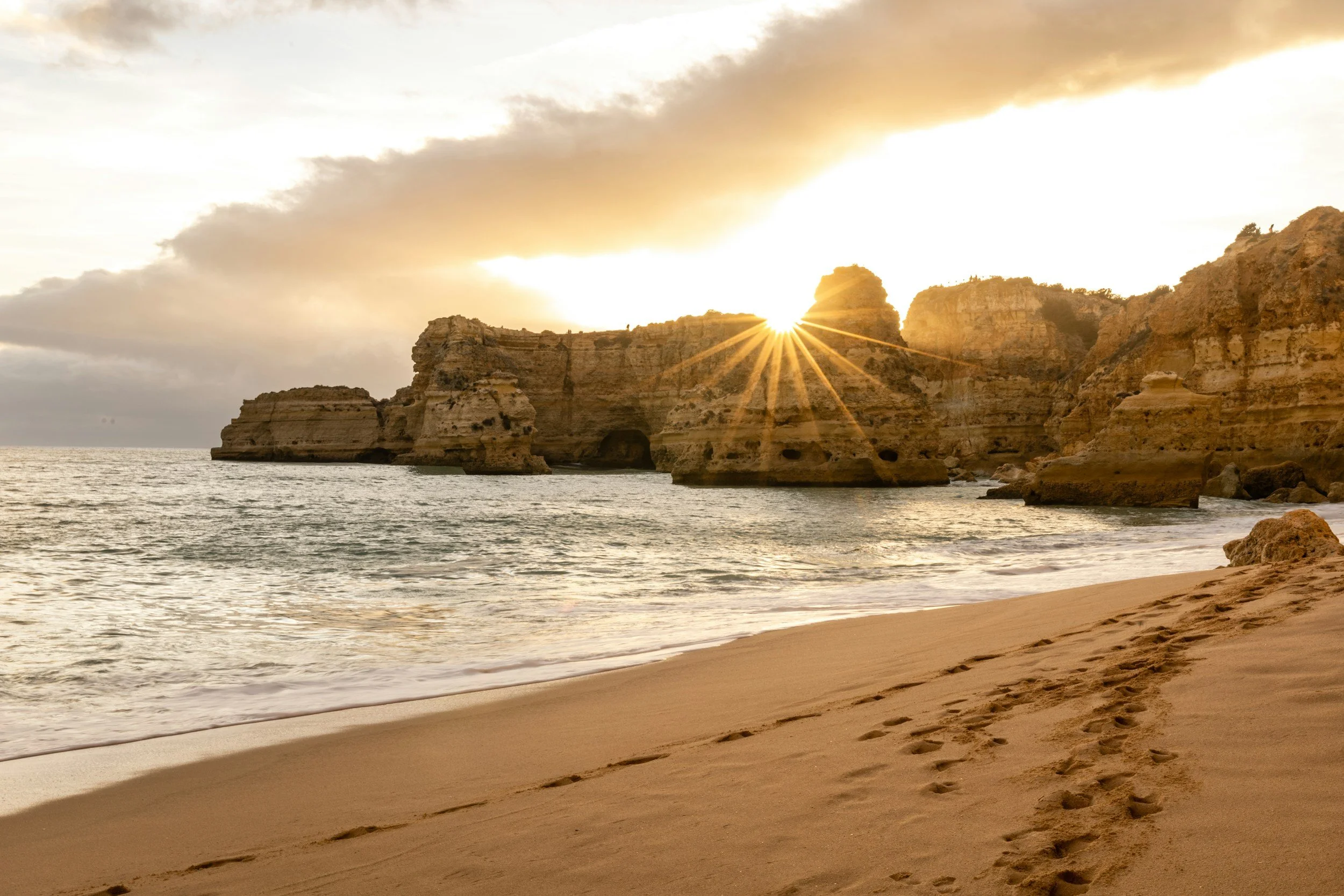
Winter in the Algarve can feel wonderfully spacious, particularly for a leadership team that needs focus and room to breathe. Some seasonal beach clubs, restaurants and boat operators reduce their schedules, so the experience requires a different shape from a summer incentive.
Spring and autumn bring more choice for coastal dining and time outdoors without the intensity of peak summer. The trade-off is not better versus worse; it is quiet retreat versus full coastal energy.
Madeira & the Azores: the reward that comes from exploring further
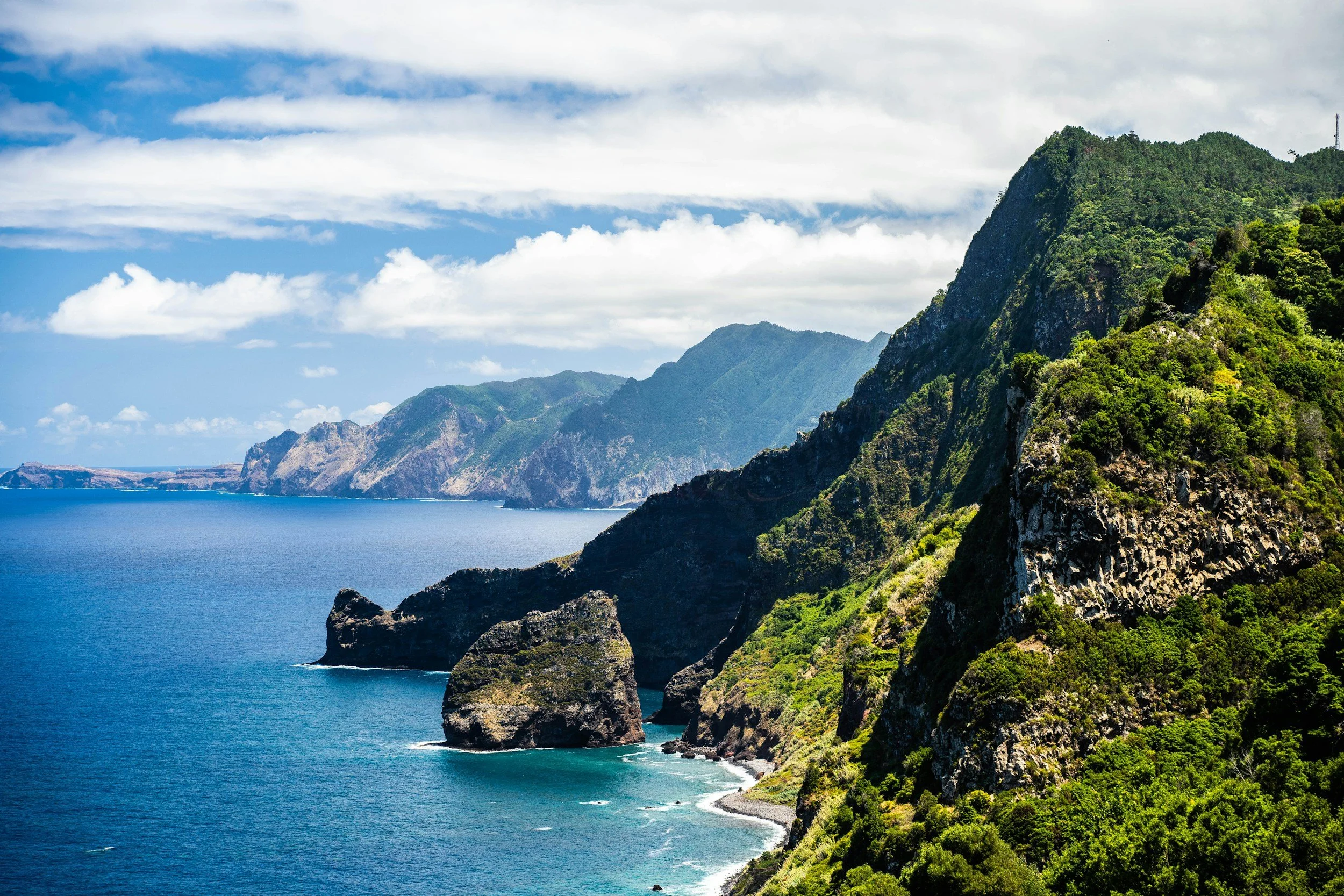
Madeira and the Azores create an immediate sense of departure from the everyday—which can be exactly what a team needs. They also add more moving parts, from flight patterns to fast-changing conditions in the mountains and at sea.
The benefit of planning early is not simply securing flights. It is creating enough breathing room around arrival, outdoor experiences and weather alternatives for the islands to feel restorative rather than complicated.
The Douro Valley: two very different moods
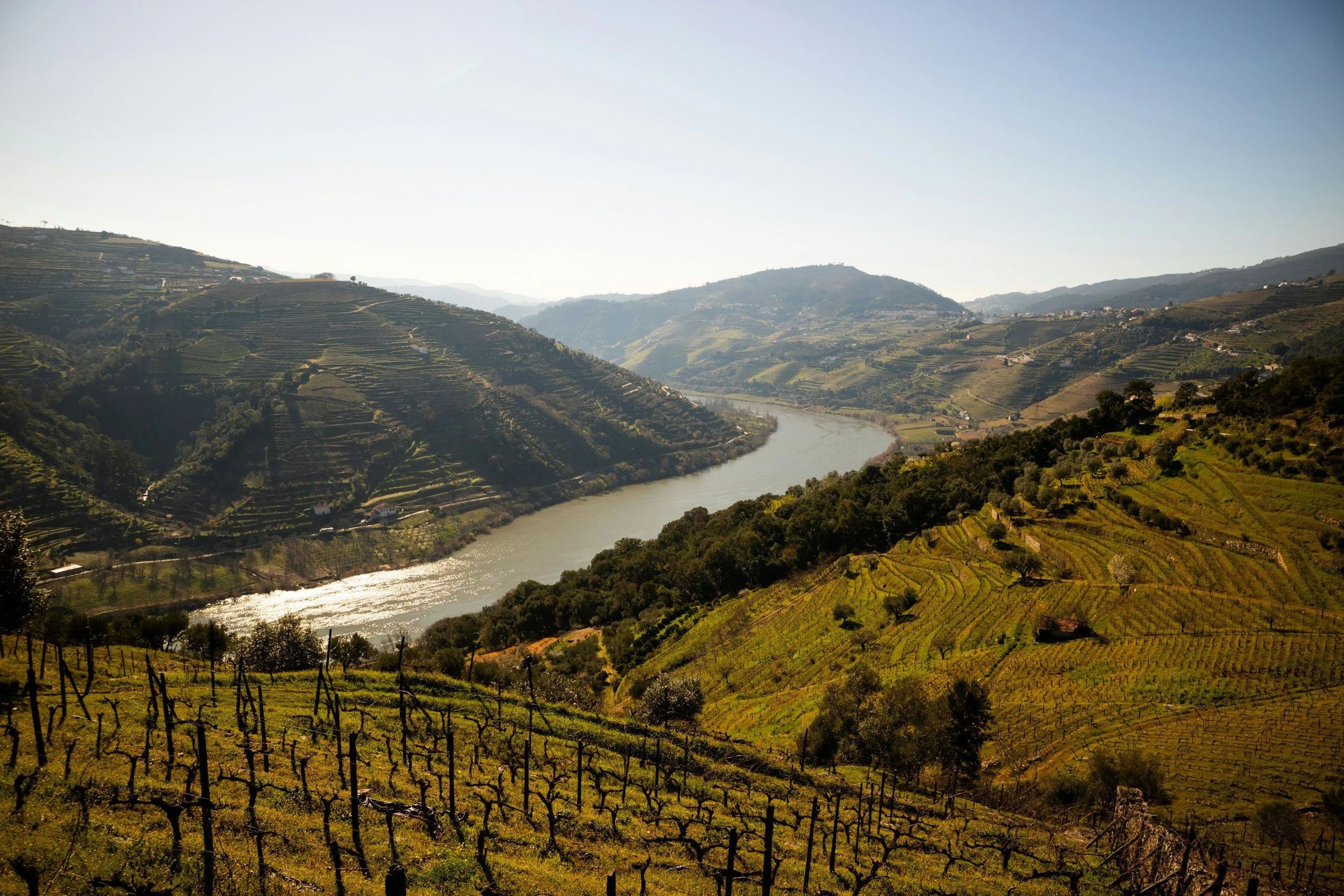
During harvest, the Douro feels alive with movement: grapes arriving, vineyards at work and the river running through it all. Those weeks are highly sought after.
Winter is quieter and more introspective. Bare vines, long lunches and fewer visitors can create a remarkable setting for a small leadership group, although some seasonal partners operate reduced schedules.
Neither is the “correct” Douro. The question is whether your team needs energy and immersion—or stillness and space to think.
Lisbon during major events

A major conference changes the tempo of the entire city. In Lisbon, hotels tighten, sought-after dining rooms disappear from the calendar and moving a group takes more forethought.
That does not mean avoiding Lisbon. It means deciding what you want from the city. For some groups, being at the centre of the energy is the point. Others are better based near the coast, coming into Lisbon for one carefully chosen evening.
Porto: character, scale and a city that rewards good timing

Porto gives retreats authentic city energy without feeling like a sprawling metropolis. It’s an ideal choice for teams wanting walkable neighborhoods, serious gastronomy, and direct access to the Douro Valley—allowing you to expand your program without changing bases every night. Teams can work in the morning, cross the river for dinner, and feel deeply connected to the local rhythm.
Planning Considerations:
Space & mobility: Premium boutique properties and private riverfront dining rooms are limited, and Porto’s steep, historic geography demands careful movement planning for larger groups.
The São João Factor (23–24 June): On the night of 23 June, Porto transforms for its massive annual street festival. For a team seeking high-energy cultural immersion, it’s unforgettable. For a group expecting quiet dinners, easy coach access, and a productive working morning on 24 June (a municipal holiday), it can be a major disruption. Design around it intentionally or shift your dates accordingly.
Alentejo: space, warmth, and a slower clock
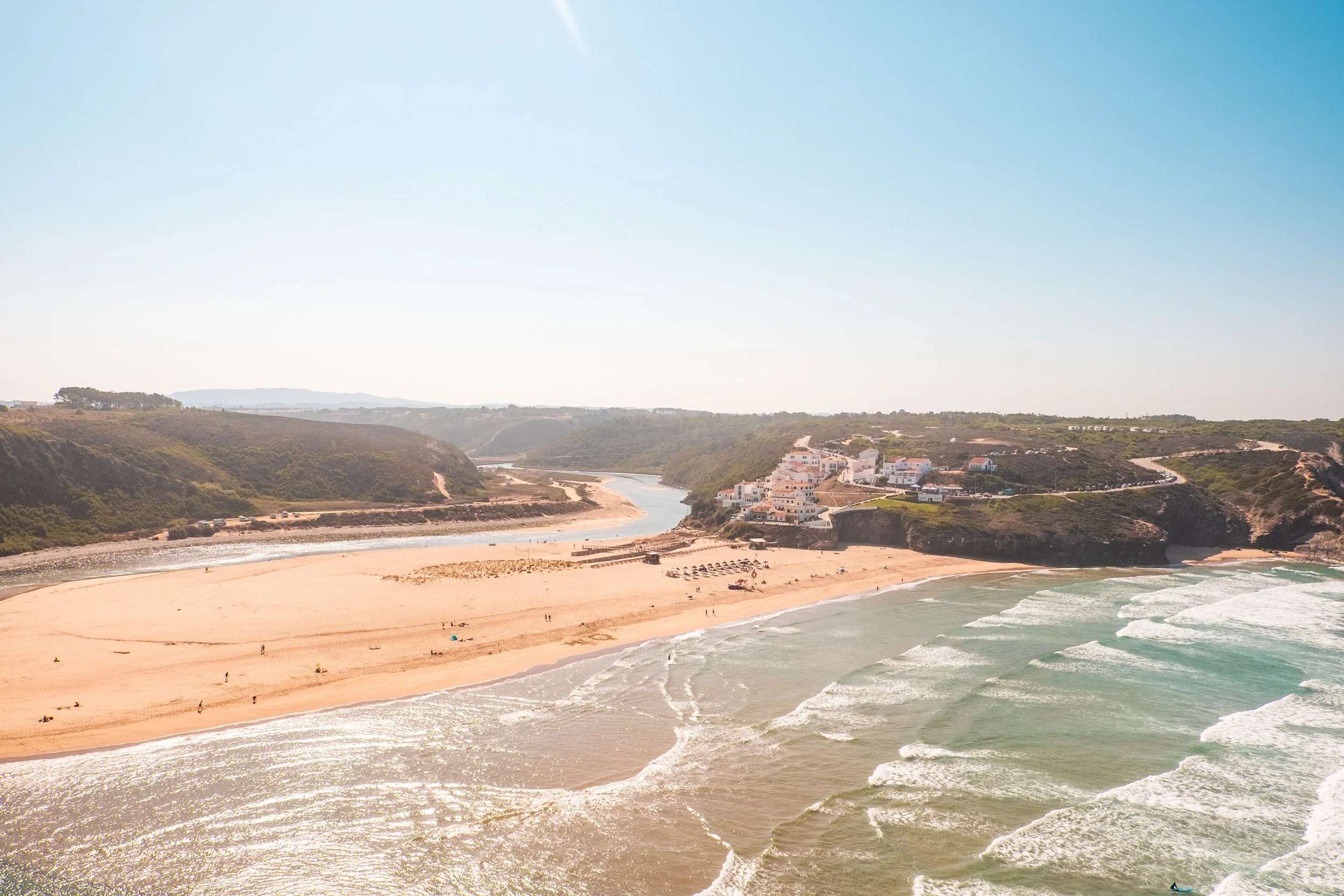
Alentejo changes the temperature of a retreat before the first session even begins. The roads open out, cork oak forests replace city blocks, and long lunches have a way of becoming central to the program rather than a brief break from it.
For leadership teams, creative groups, and retreats requiring total privacy, Alentejo delivers an exceptional setting:
Diverse landscapes: Historic Évora offers walkable culture; the vast interior creates total stillness; and the wild Atlantic coast brings an elemental, open-air energy.
Water & reflection: For programs built around nature, the region offers a unique contrast: quiet inland lakes and river reservoirs for reflective focus, alongside ocean estuaries and beaches for an outdoor reset.
Seasonal nuance: Inland summers are hot and dry, making midday outdoor plans challenging. Spring and autumn offer the ideal climate for moving between workspace, landscape, and table, while winter provides an intimate backdrop for fireside strategy sessions.
Alentejo is not the right answer for every group. It excels when a slower, more deliberate pace is an explicit goal of the week—and when the agenda leaves enough unhurried room to actually feel it.
Start with how the team should feel
The fastest way to lose momentum in retreat planning is starting with a venue shortlist before defining what the week needs to accomplish.
Before opening a single hotel deck, picture the final morning. What should be clearer? Who should know one another better? Should the team leave rested, energized, aligned—or finally able to have the conversation that never quite happens on video calls?
A leadership team navigating change needs privacy, quiet surroundings, and uninterrupted meeting flow.
A distributed company meeting in person needs warmth, open gathering spaces, and movement that encourages cross-departmental mixing.
A sales team celebrating a milestone needs recognition, momentum, and one unforgettable evening together.
The hotel follows from the outcome, never the other way around. Once those answers are clear, selecting the right region, property, and daily rhythm becomes straightforward.
Frequently asked questions
-
For optimal venue choices, room blocks, and tailored experience design, begin 6 to 9 months ahead. Consider 9 to 12 months for larger groups (40+ keys), property buyouts, peak summer dates, or island destinations like Madeira and the Azores.
-
November through February reveals a quieter, more atmospheric Portugal. Some seasonal coastal venues reduce their hours, while outdoor and weather-dependent experiences require more flexibility. Portugal’s cities, established resorts and many private properties continue operating year-round; the program simply needs to be designed for the region and season.
-
Yes, provided your team has a confirmed headcount, an established budget, fast internal approval loops, and flexibility regarding location and exact dates.
-
For many groups, April through June and mid-September through October offer an appealing combination of mild weather and strong venue choice. There is no universally best month, however: winter can suit a focused leadership retreat, while summer works well for coastal incentives and celebrations. Major events, harvest dates and local festivals can affect availability in any season.
-
A four-night stay with three working days provides the ideal operational rhythm. It allows sufficient time for focused meeting sessions, outdoor experiences, and shared dinners without inducing attendee travel fatigue.
-
RuaMar shapes the Portugal side of your retreat—from choosing the right region and property to creating the experiences, meals and moments that give the gathering its character.
We can lead the programme locally or work alongside your internal events team or global agency. Either way, the goal is the same: your organizers should be present with the team, not spending the week solving problems behind the scenes.
Have dates in mind, or just the beginning of an idea?
Tell us roughly when you are considering, how many people may be coming and why you want to bring them together. We will help you understand which part of Portugal, and which kind of retreat, makes sense before you commit to a venue.