One More Day in Portugal: How to Make It Count
Portugal has a way of bringing people back. In a 2026 Turismo de Portugal study across ten international markets, 66% of potential visitors had been before, and 18% had already returned at least three times.
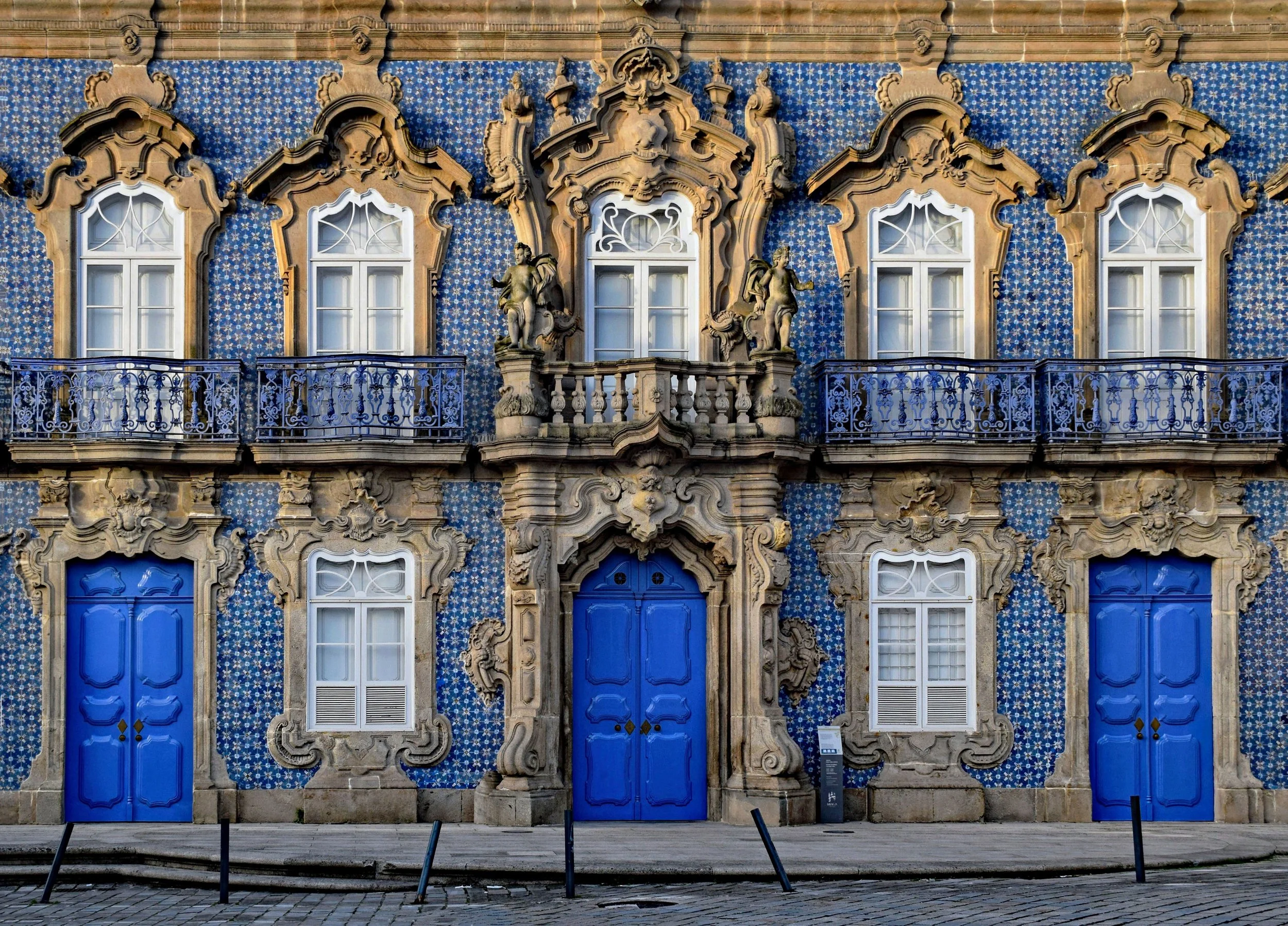
It makes sense. A first trip is usually centered on the essential stops: Lisbon’s hills, Porto’s riverfront, Sintra’s palaces, perhaps a few days in the Douro. But it is the unscripted afternoon, or the extra day left unhurried, that gives you space to discover what makes Portugal genuinely personal.
If you find one more day in your itinerary… please resist the urge to collect three more sights. Use it to add what the trip is missing: a walk under old trees, a town with a story, a lunch that takes as long as lunch takes, or an afternoon with nowhere else to be.
The best extra day does not make the trip busier. It makes it feel complete.
How to plan one extra day in Portugal:
An extra day works best when it creates contrast, not when it repeats what came before.
To make it count, choose a change of pace rather than adding another crowded tourist hub.
If your trip has been mostly urban stone streets and city movement, opt for forest trails (Buçaco or Arouca) or fresh Atlantic air (Ericeira, Nazaré, or Costa Nova). For deep regional food culture, head to Setúbal, Azeitão, or Bairrada. For history, explore Tomar or Guimarães. Build the day around one main anchor, one local table worth taking time over, and plenty of room to breathe.
Find the detour that fits
The best detours are not interchangeable. One gives you an ancient forest, another a chapter of medieval history; another takes you to legendary seafood markets or places you on a cliff above the Atlantic. Whether your base is Lisbon, Porto, or somewhere in between, choose by mood and appetite, not by how many pins you can add to the map.
If your trip needs iconic food and wine
Starting from Lisbon: Setúbal & Azeitão. Less than an hour south, the Setúbal peninsula offers one of Portugal’s richest culinary day trips. Start at the Mercado do Livramento in Setúbal—a tiled 1930s market hall brimming with morning fish landings, wild herbs, and regional produce. Head to the waterfront for fresh ocean fish or choco frito (crispy local cuttlefish), then cross into the hills of Azeitão to taste Queijo de Azeitão—a rich, herbaceous raw sheep’s milk cheese—at a family producer, accompanied by a glass of aged Moscatel.
Starting from Porto: Viana do Castelo or Bairrada. Head north to Viana do Castelo, where Atlantic seafood culture meets the rustic flavors and crisp Vinho Verde wines of the Minho region. Alternatively, detour south to Bairrada for slow-roasted leitão (suckling pig) paired with local sparkling wines.
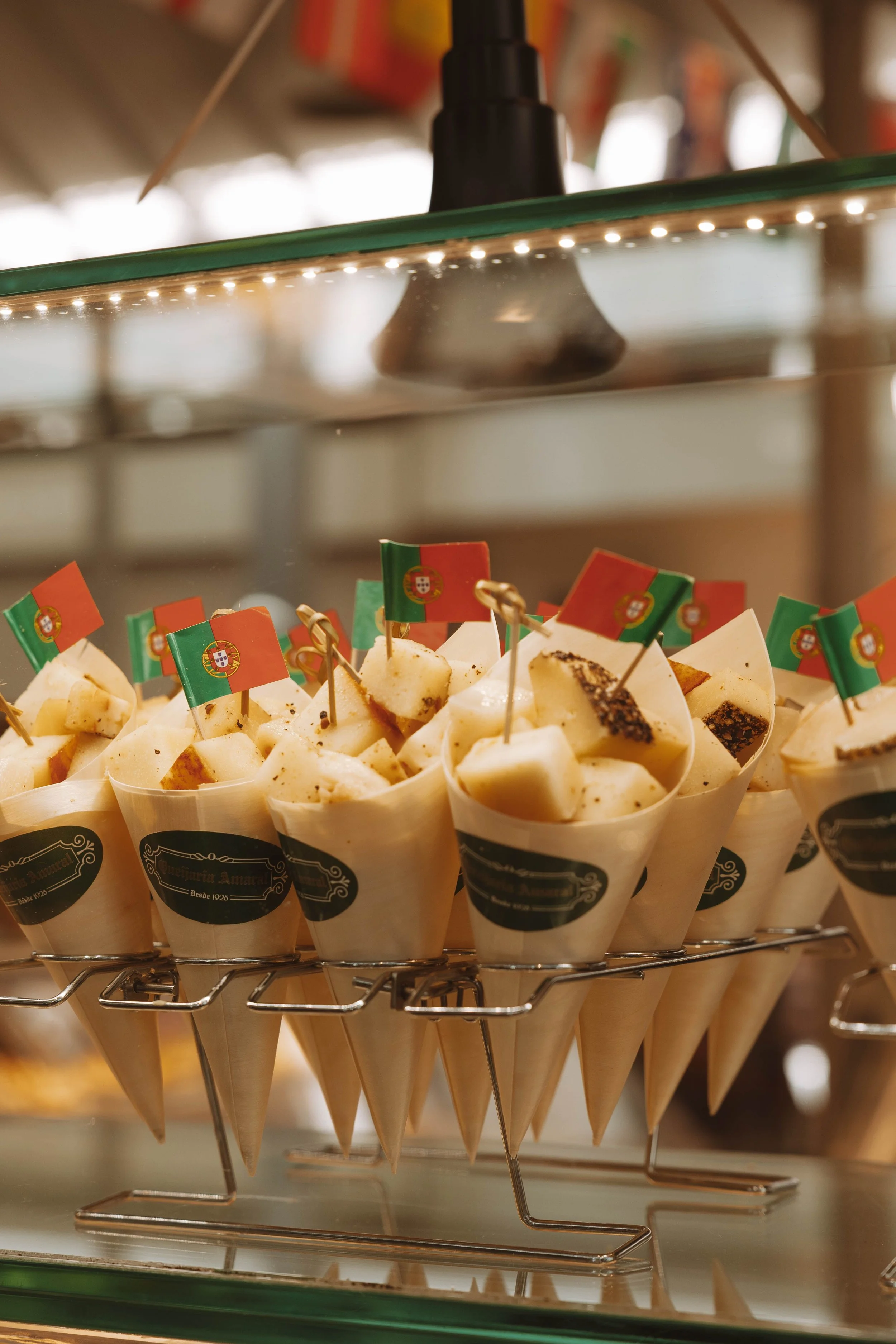
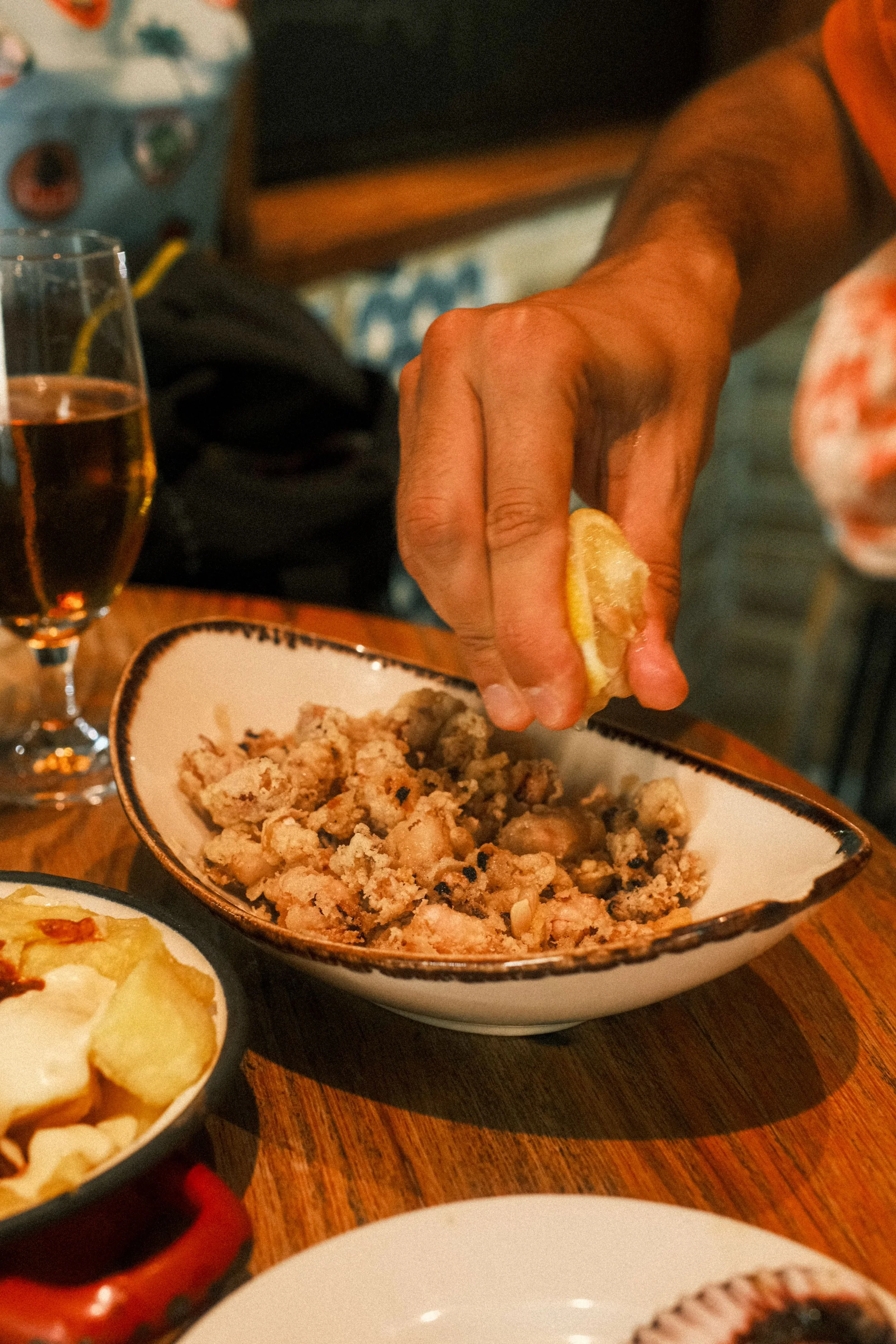
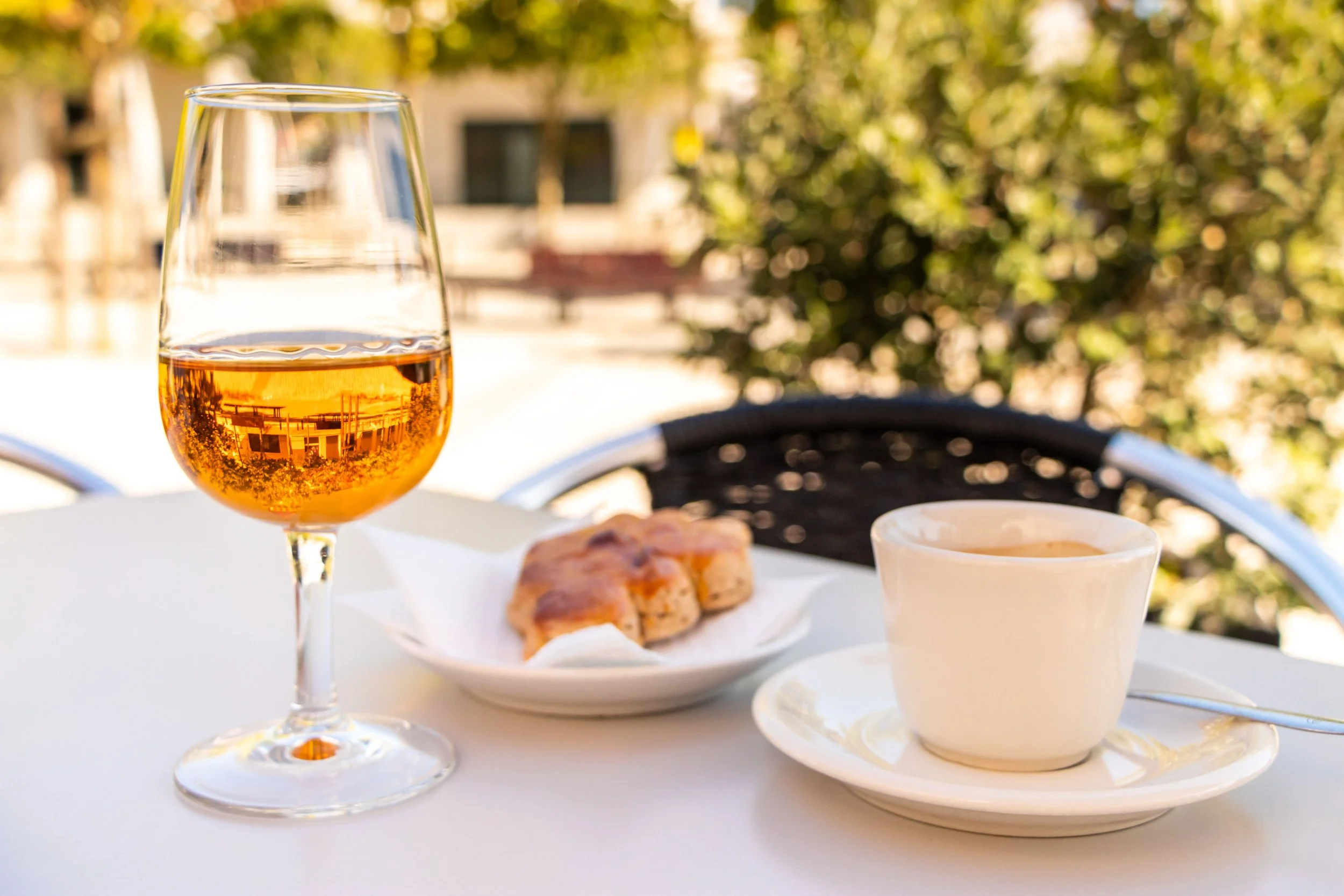
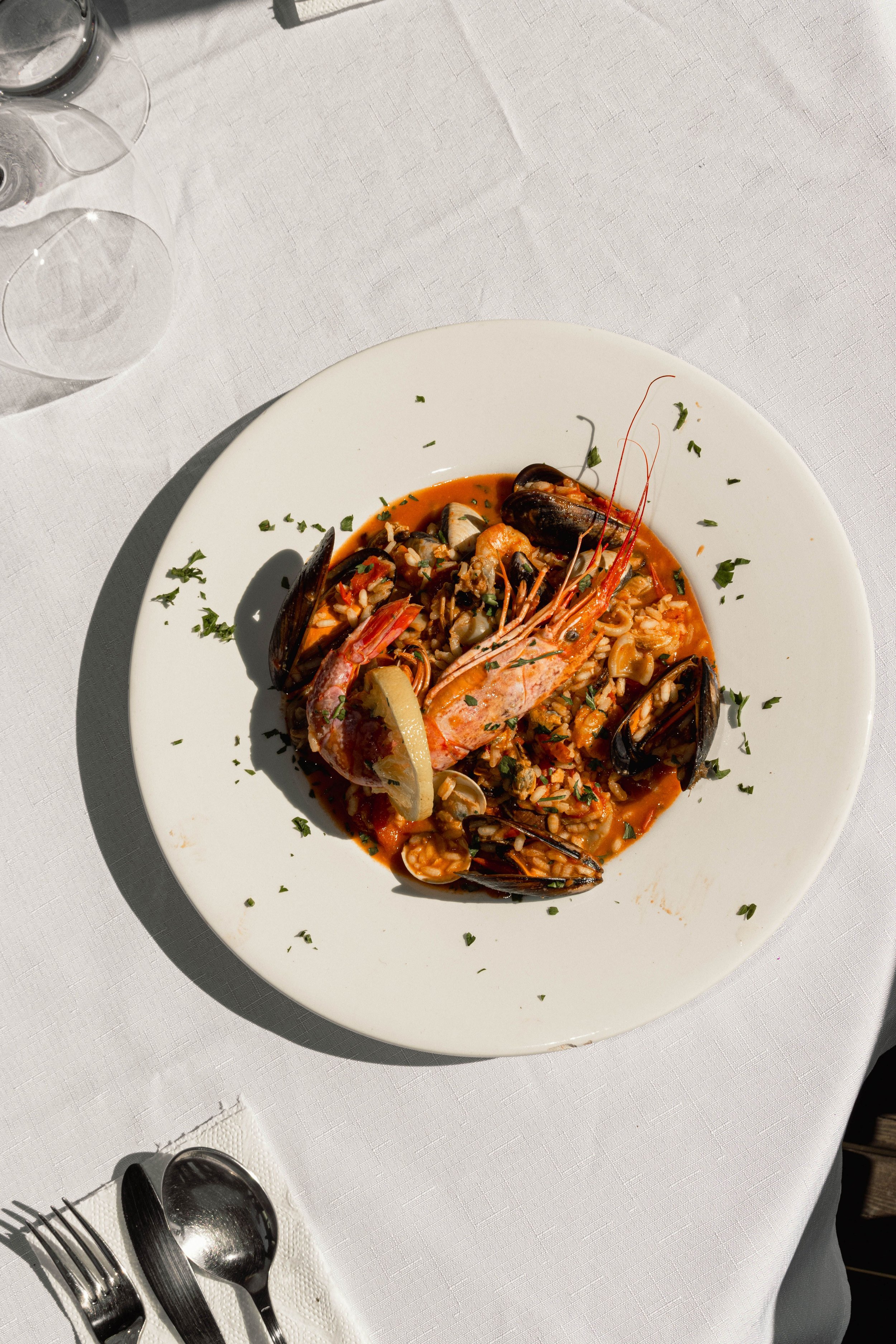
Why it earns the day: It trades urban sightseeing for an authentic deep dive into coastal seafood, artisan cheese, and regional wine heritage.
If your trip needs a story
Starting from Lisbon or Central Portugal: Tomar. Above the town sits the Convent of Christ, founded as a Templar stronghold in the 12th century and expanded across five centuries of architecture, from its Romanesque rotunda to intricate Manueline stonework. Give the complex the morning, then walk down through the woods of Sete Montes into town for lunch by the Nabão River.
Starting from Porto: Guimarães & Braga. Head to Guimarães, the medieval birthplace of Portuguese identity, with its 10th-century castle and stone quarters, or neighboring Braga to climb through the baroque staircase gardens of Bom Jesus do Monte.
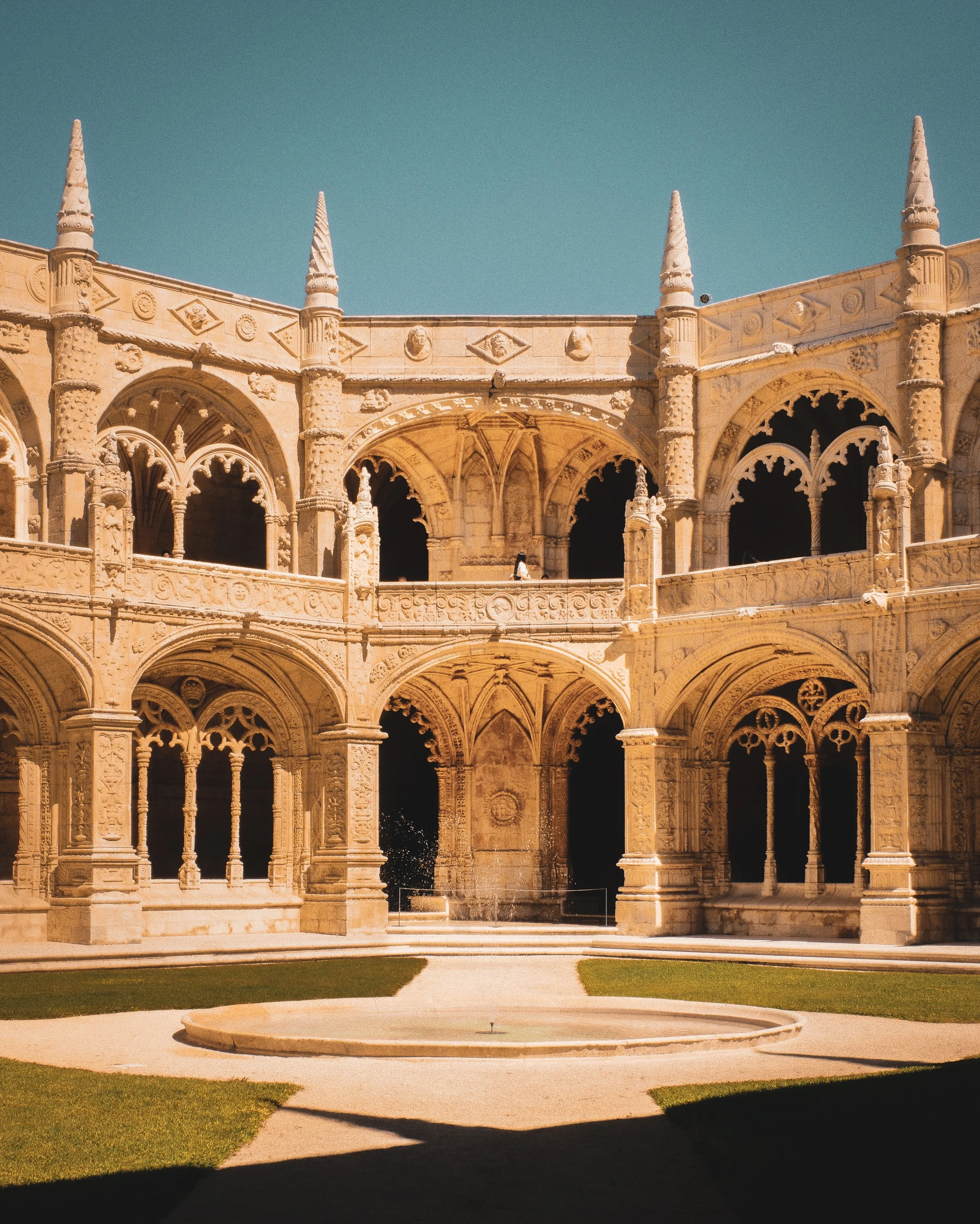
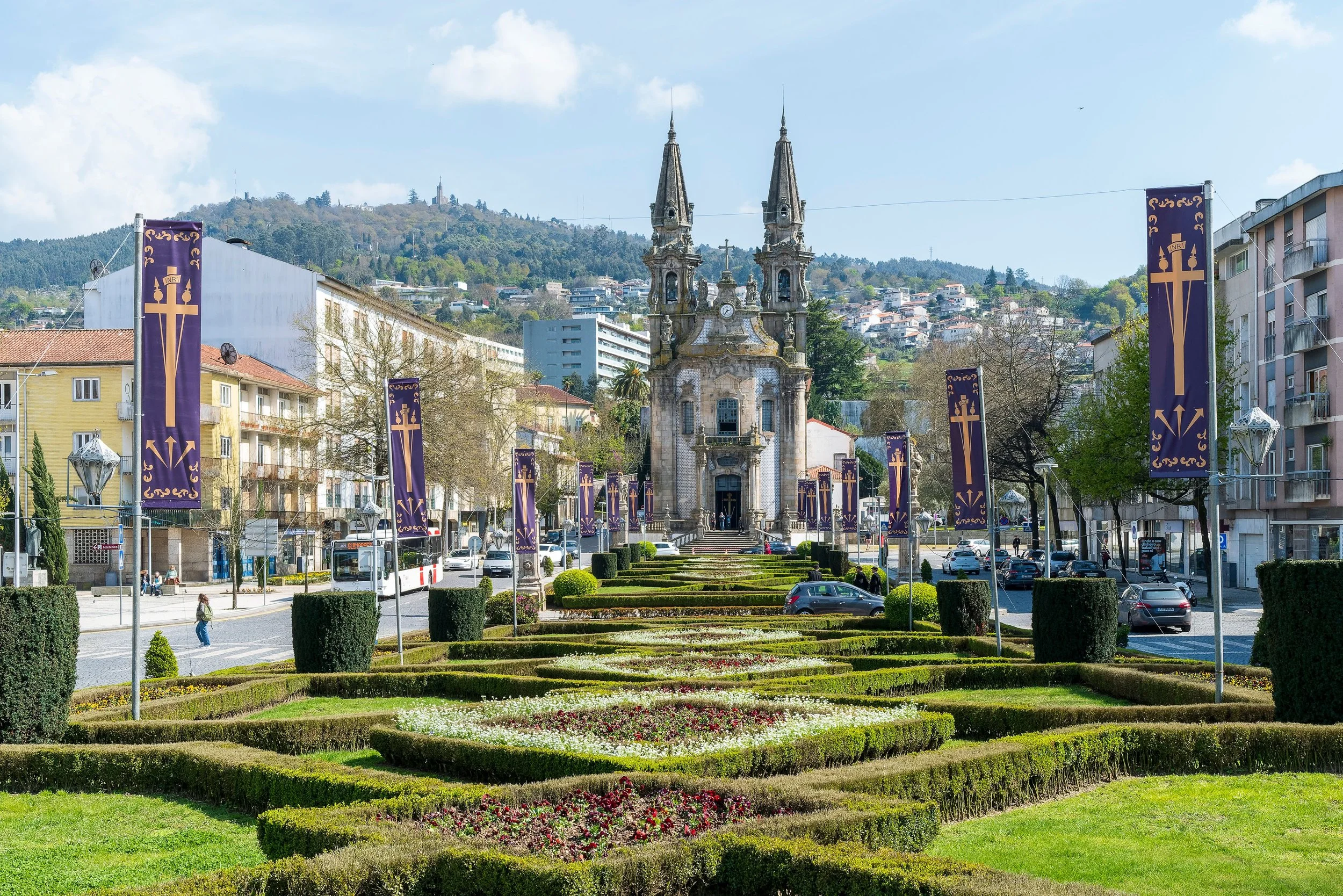
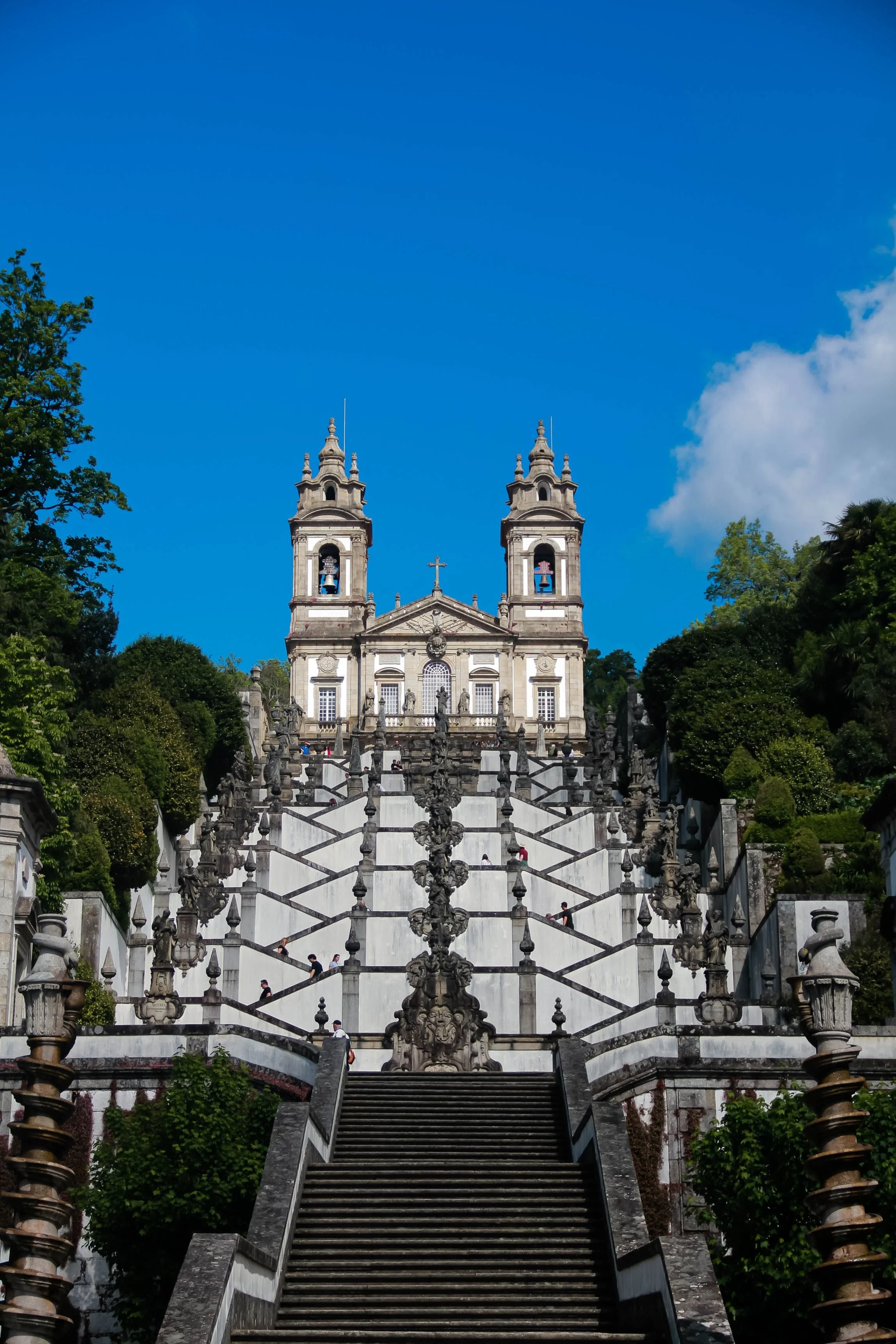
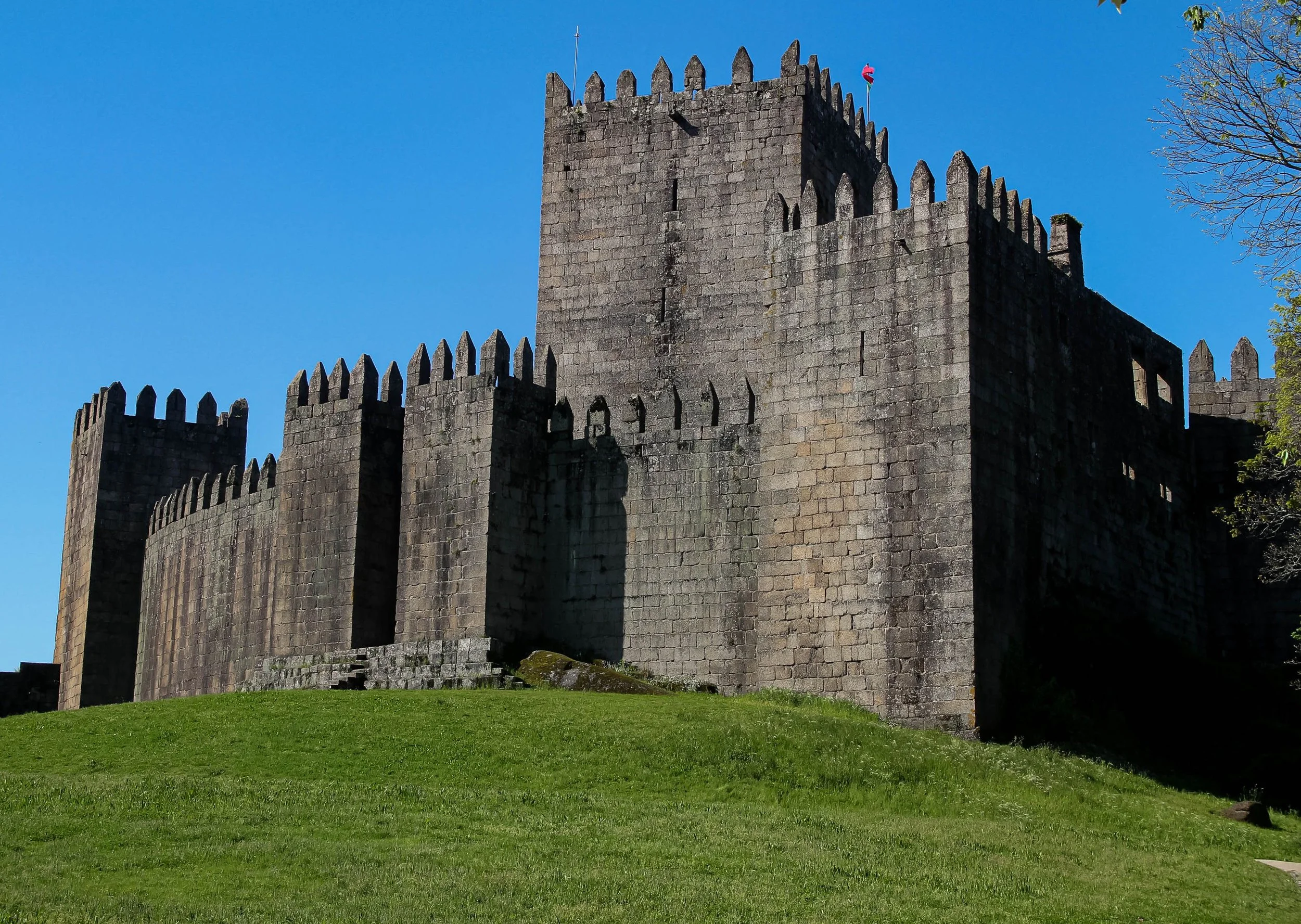
Why it earns the day: History becomes something spatial, physical, and human, not another a crowded monument.
If your trip needs green
Starting from Lisbon and central Portugal: Mata Nacional do Buçaco. After several days of stone streets, this centuries-old walled forest planted by Discalced Carmelite monks in the 17th century feels almost improbable, with trails leading past stone chapels, fountains, giant exotic trees, and quiet viewpoints.
Starting from Porto or the Douro: Arouca Geopark. Drive to this UNESCO-recognized park where wooden boardwalks (Passadiços do Paiva) wind along the granite canyon of the Paiva River, offering wild mountain scenery and clean air just an hour from the city.
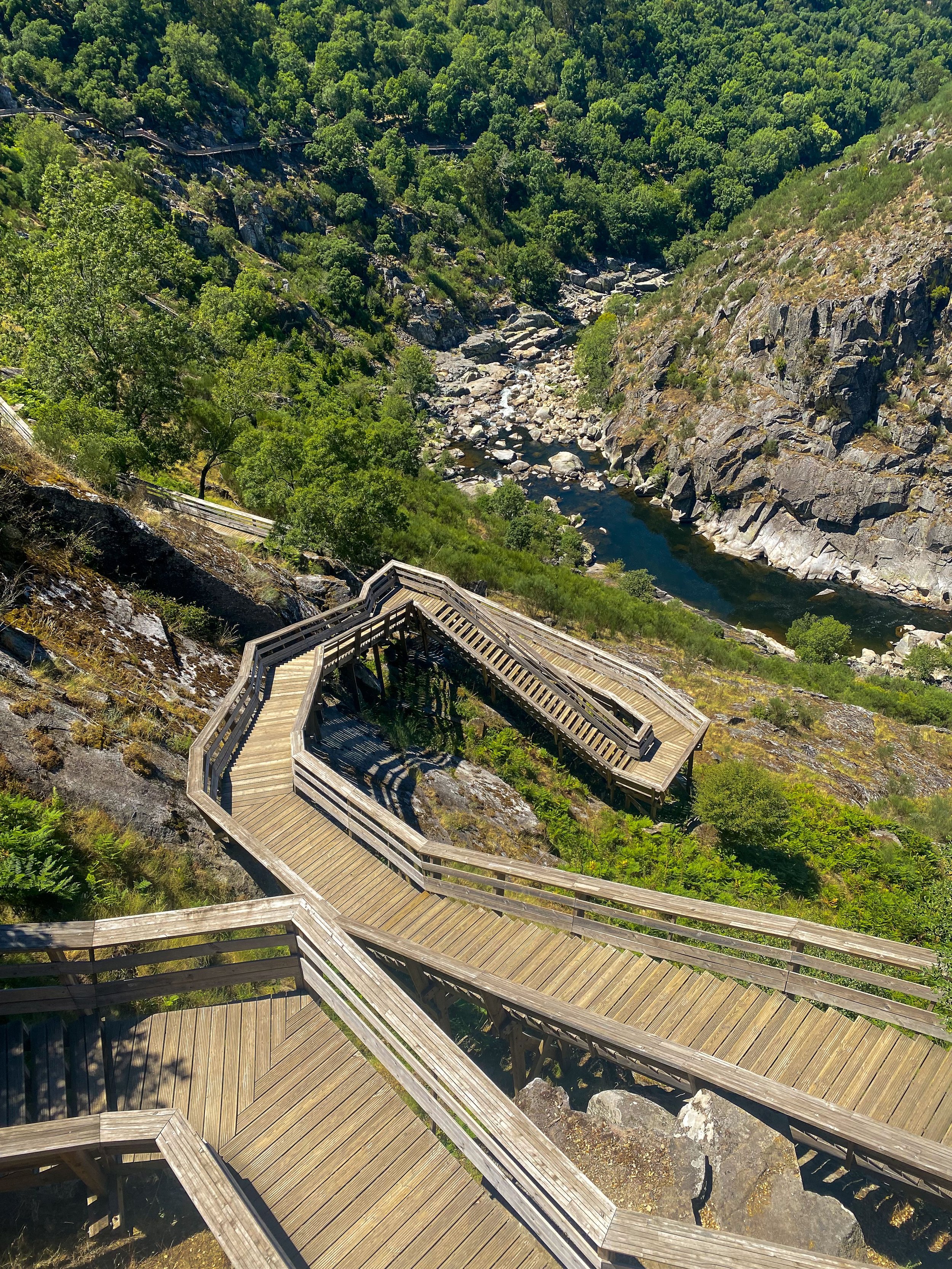
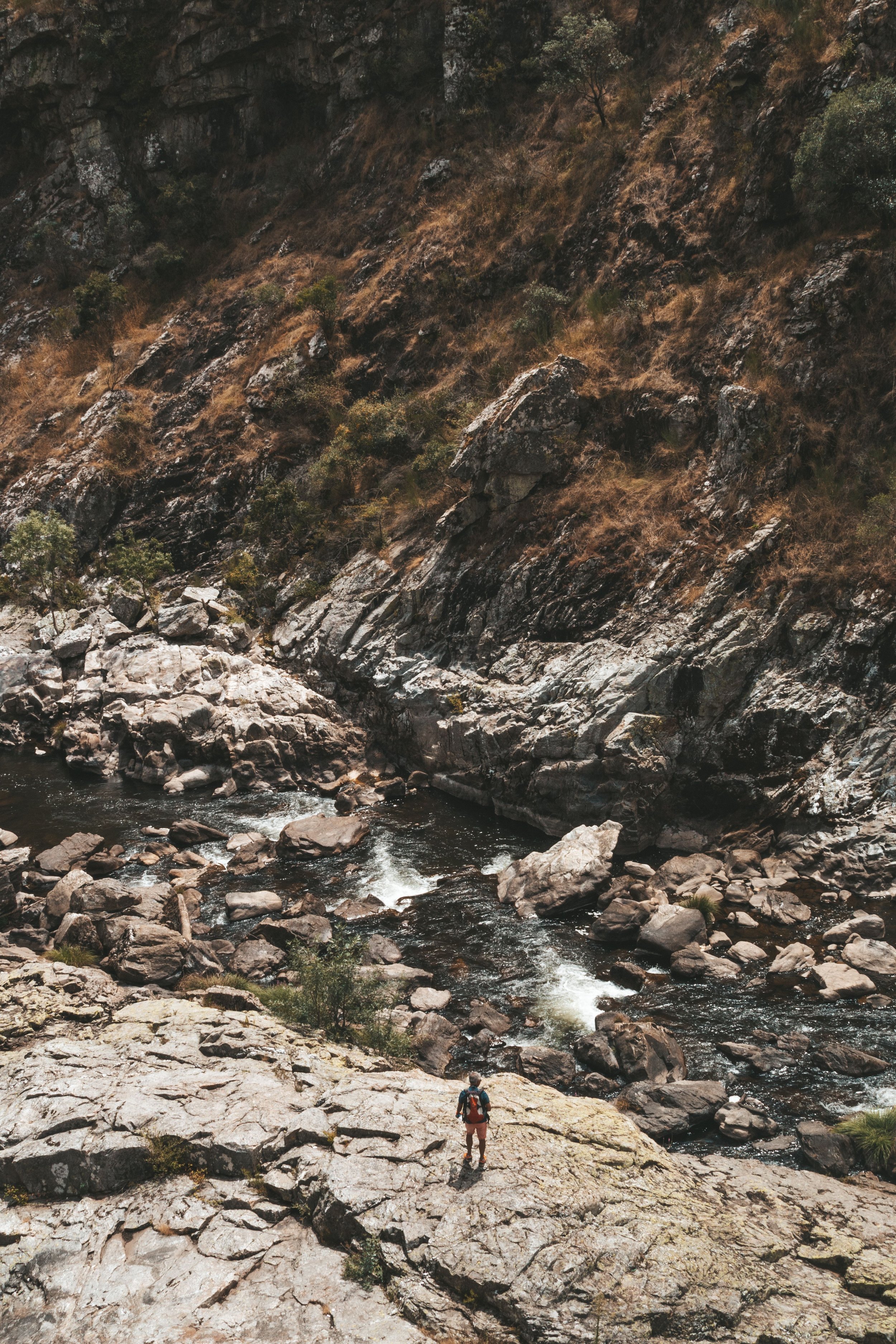
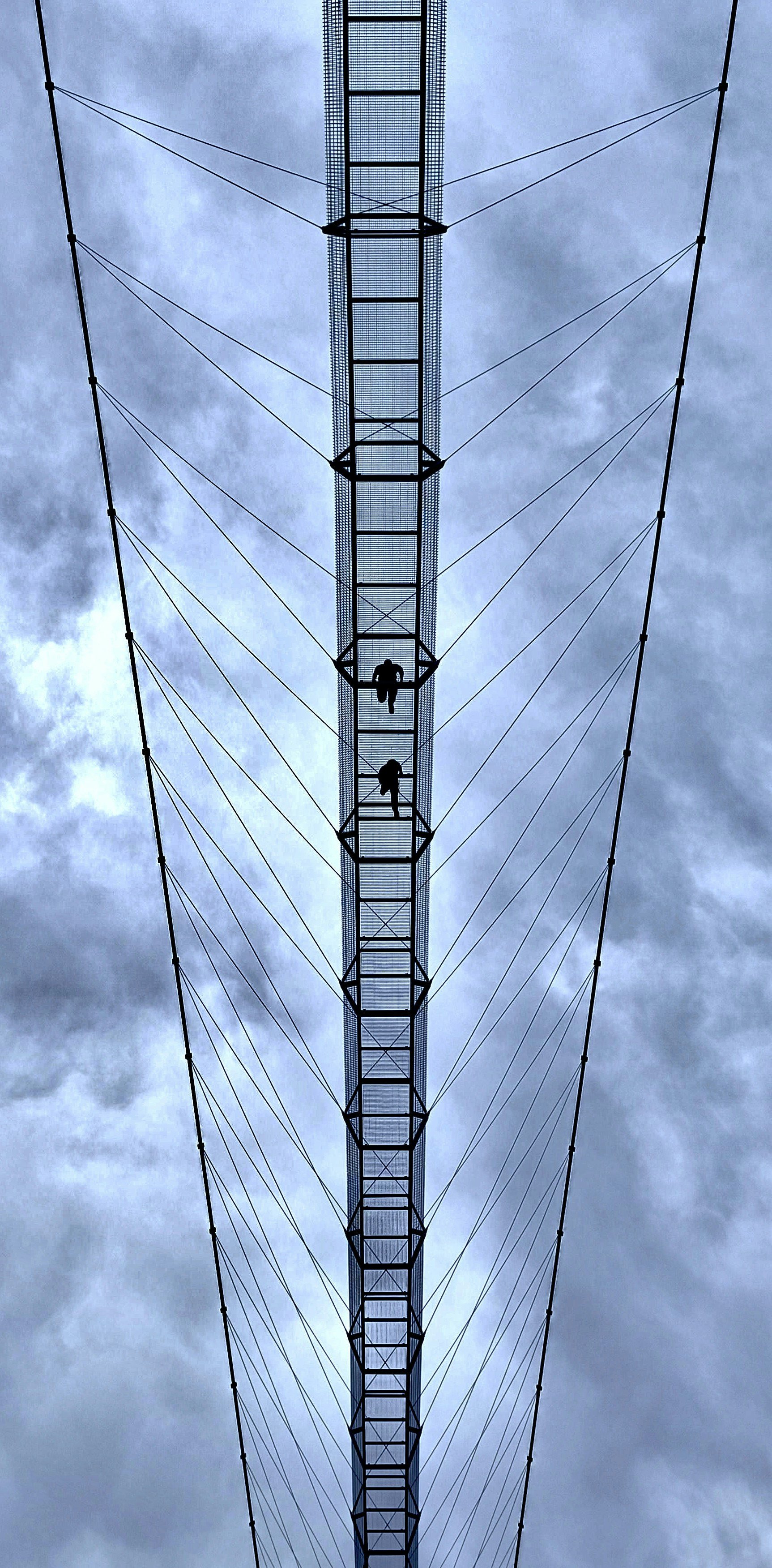
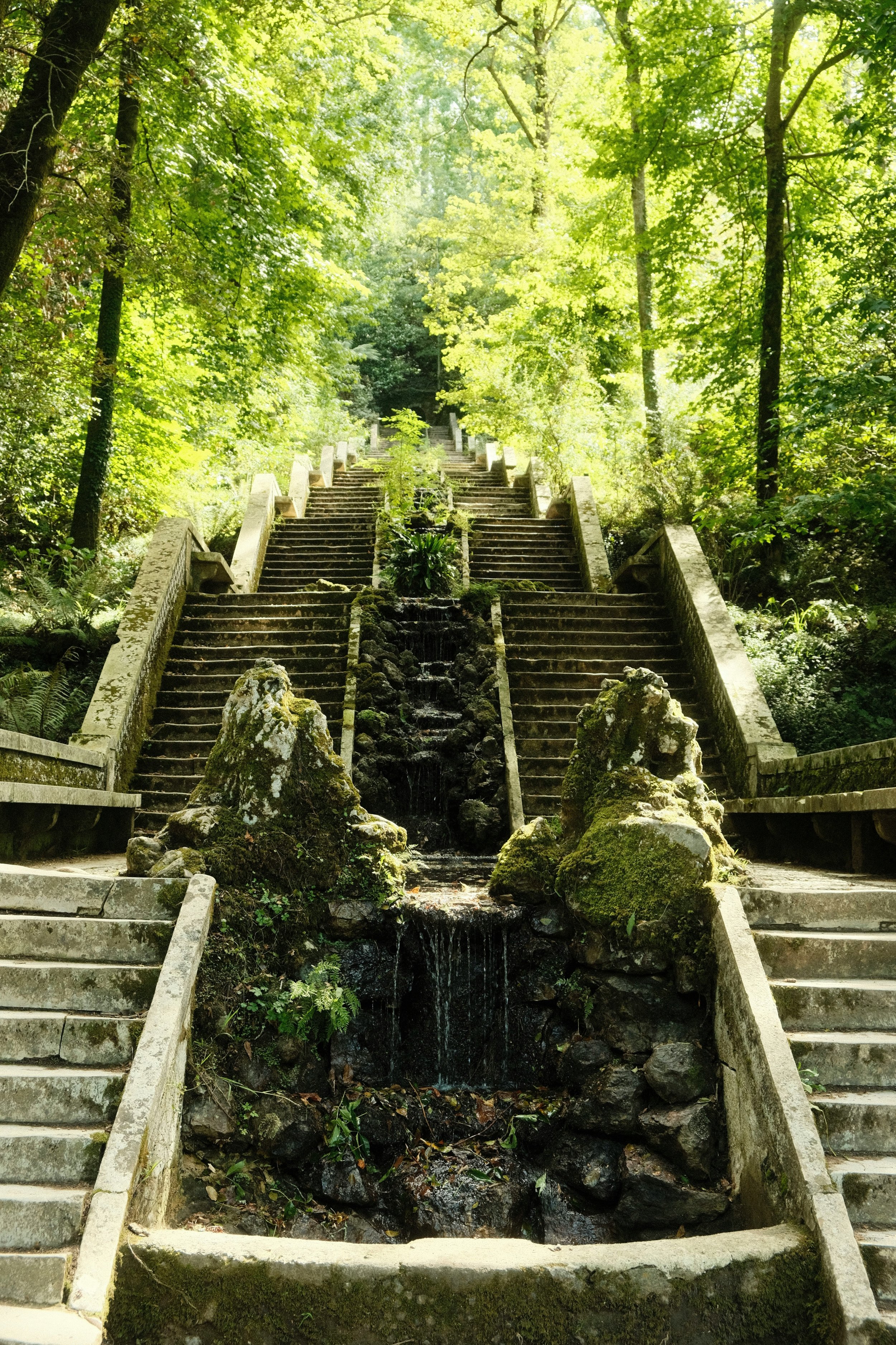
Why it earns the day: The journey between regions becomes an active natural escape, not simply a stretch of highway between two cities.
If your trip needs monastic scale
Ideal for the drive between Lisbon and Porto: Alcobaça or Batalha. Central Portugal holds two of the country’s great monastic landmarks, but there is no prize for rushing through both before lunch.
Choose Alcobaça for the clarity and scale of its Cistercian Gothic architecture, and for the tragic royal story of Pedro and Inês that gives its tombs such emotional force.
Choose Batalha for late-Gothic drama and the soaring monastery built from a king’s vow after the 1385 battle that secured Portugal’s independence.
Pick the story that interests you, stay long enough to understand it, and let the surrounding town set the pace for lunch.
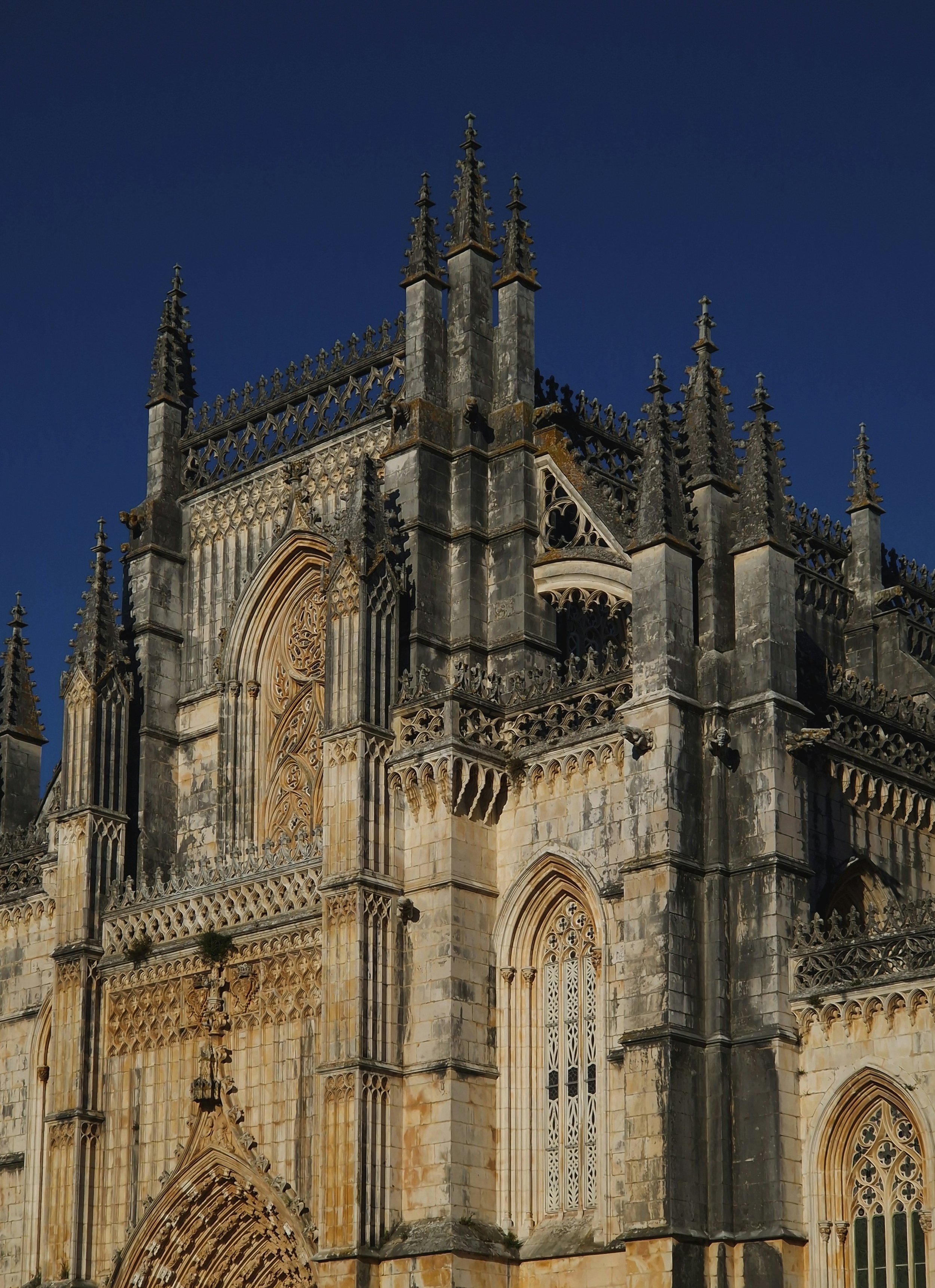
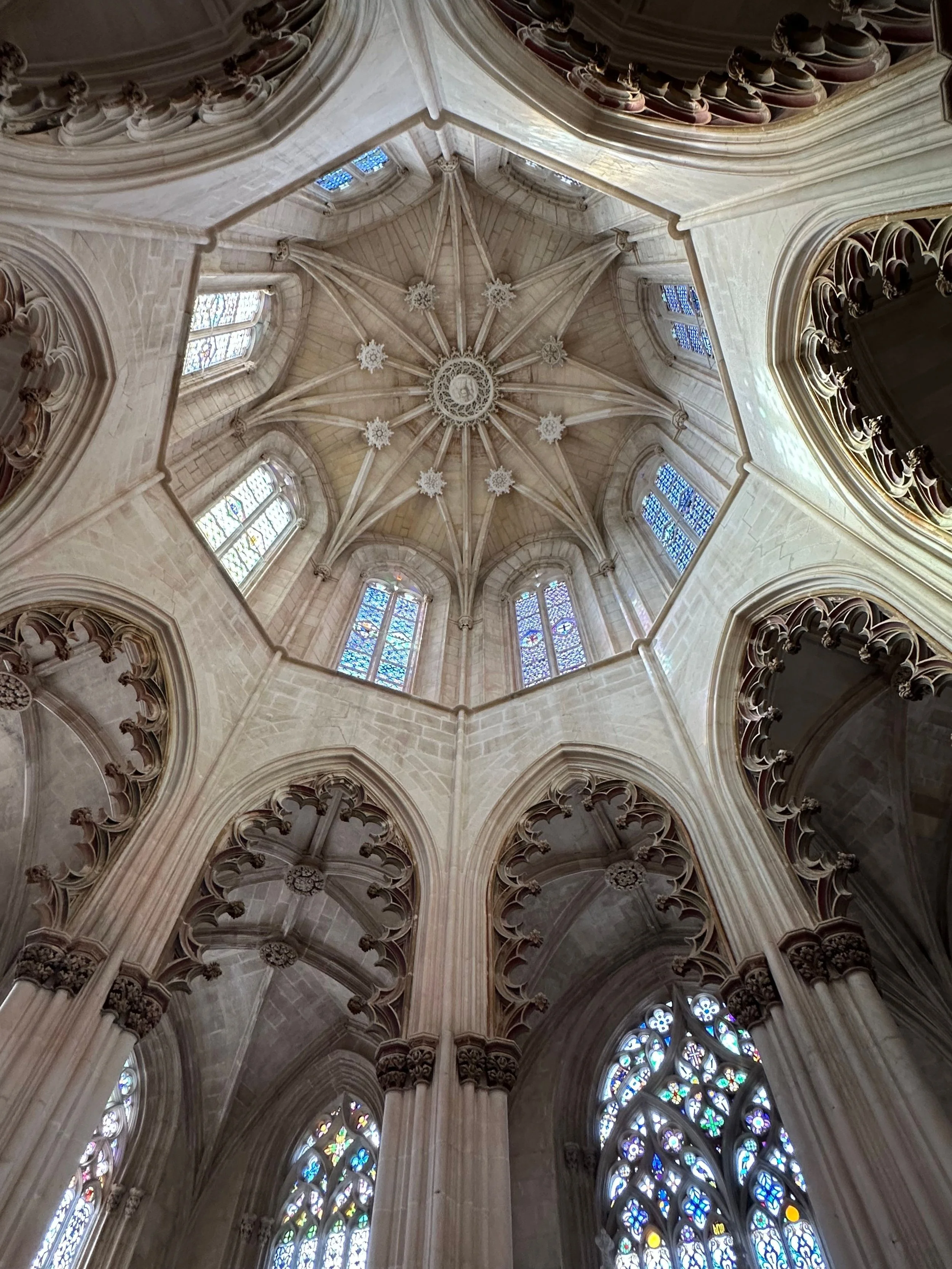
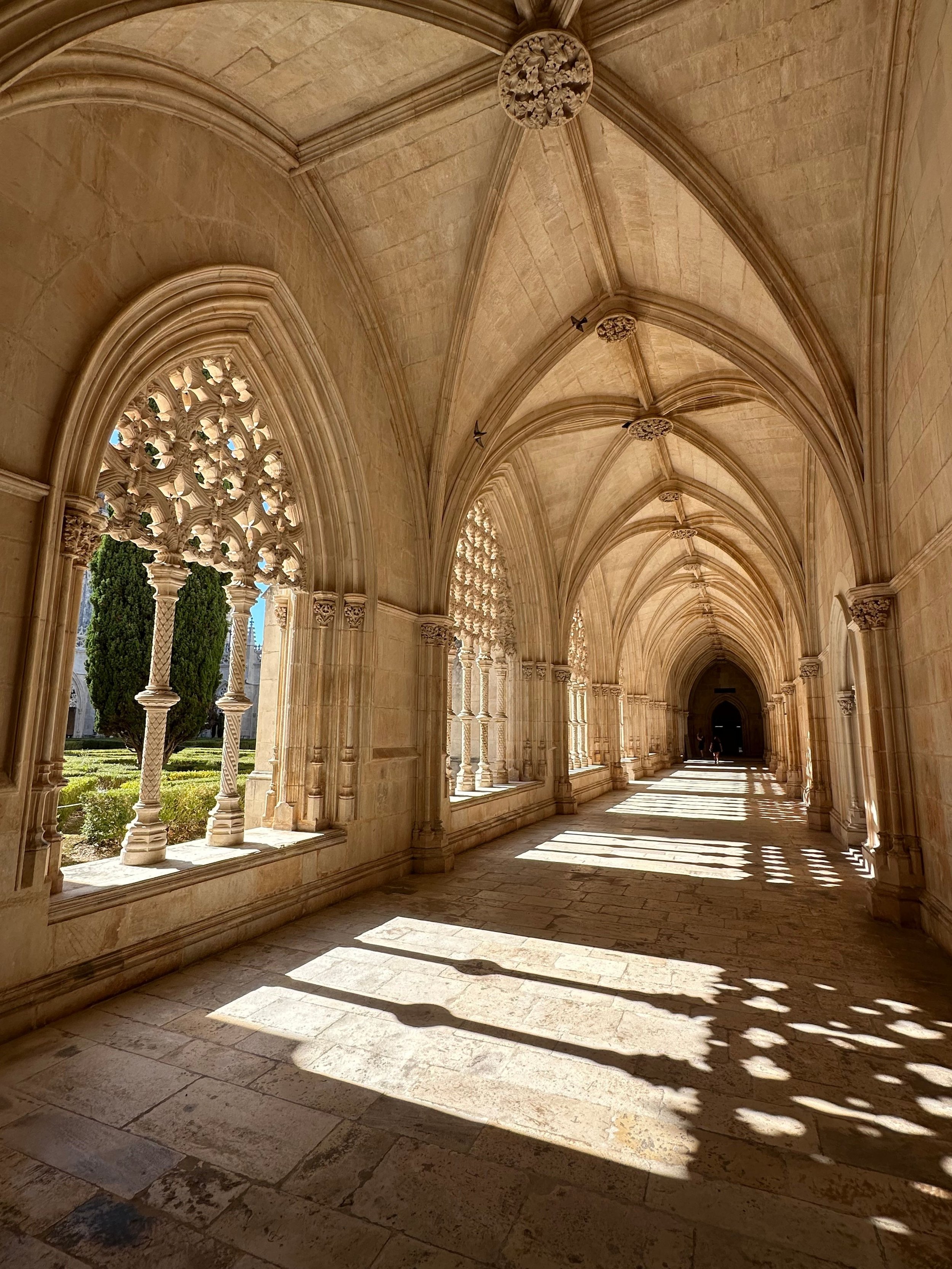
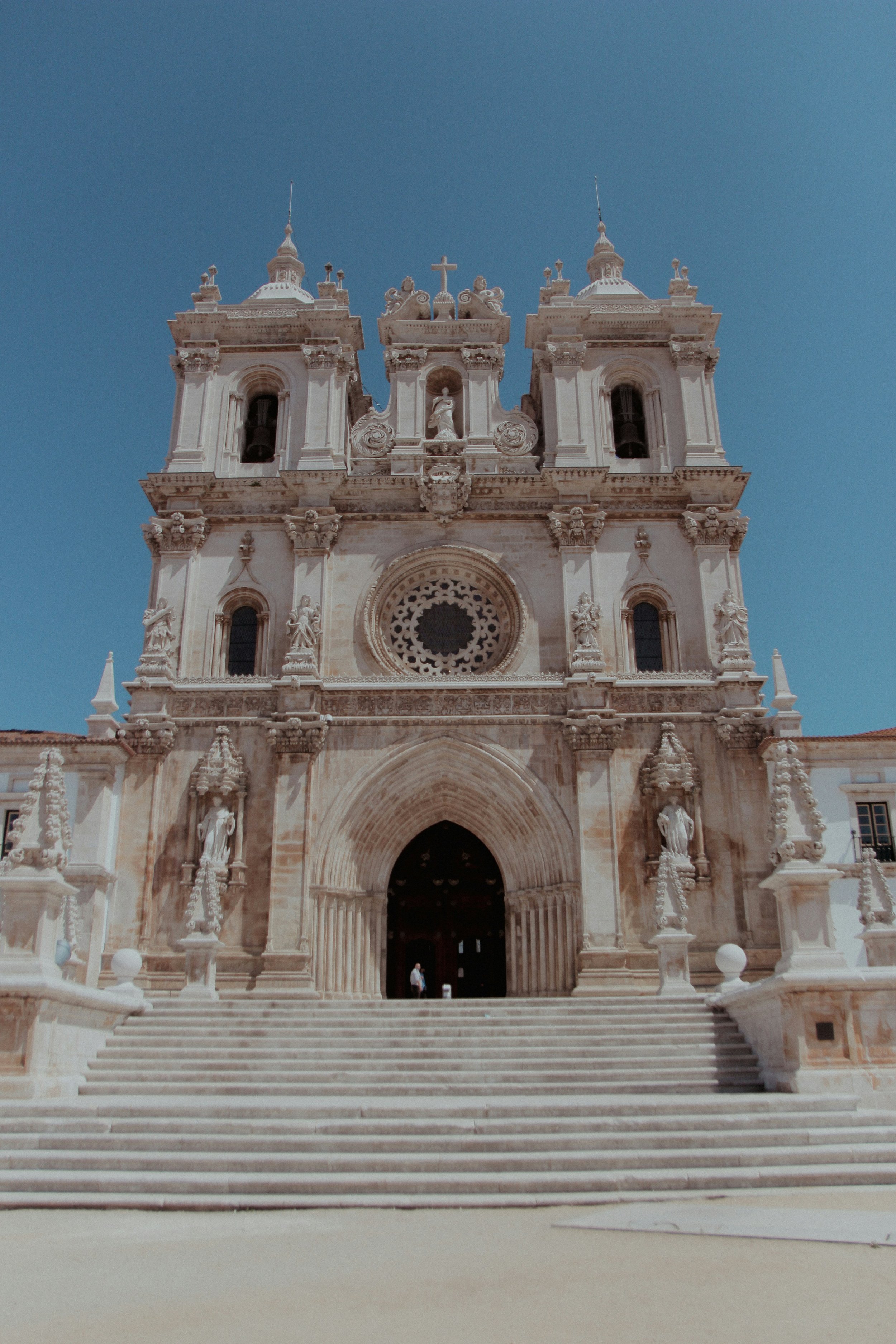
Why it earns the day: It gives you context for how early Portugal was carved out, built, and defended.
If your trip needs everyday Portugal
Starting from Lisbon / Silver Coast: Caldas da Rainha. A market town with a slightly mischievous ceramic tradition, a generous green park, and a history built around water. Queen Leonor founded its thermal hospital in 1485; the municipality describes it as the oldest thermal hospital in the world still in operation. Browse the daily open-air produce market at Praça da Fruta, explore local ceramic studios, and choose a local table worth taking time over.
Starting from Porto: Aveiro. Visit Aveiro to wander its Art Nouveau town center, explore the historic canals, and see the salt pans that have shaped the region's culinary heritage for centuries.
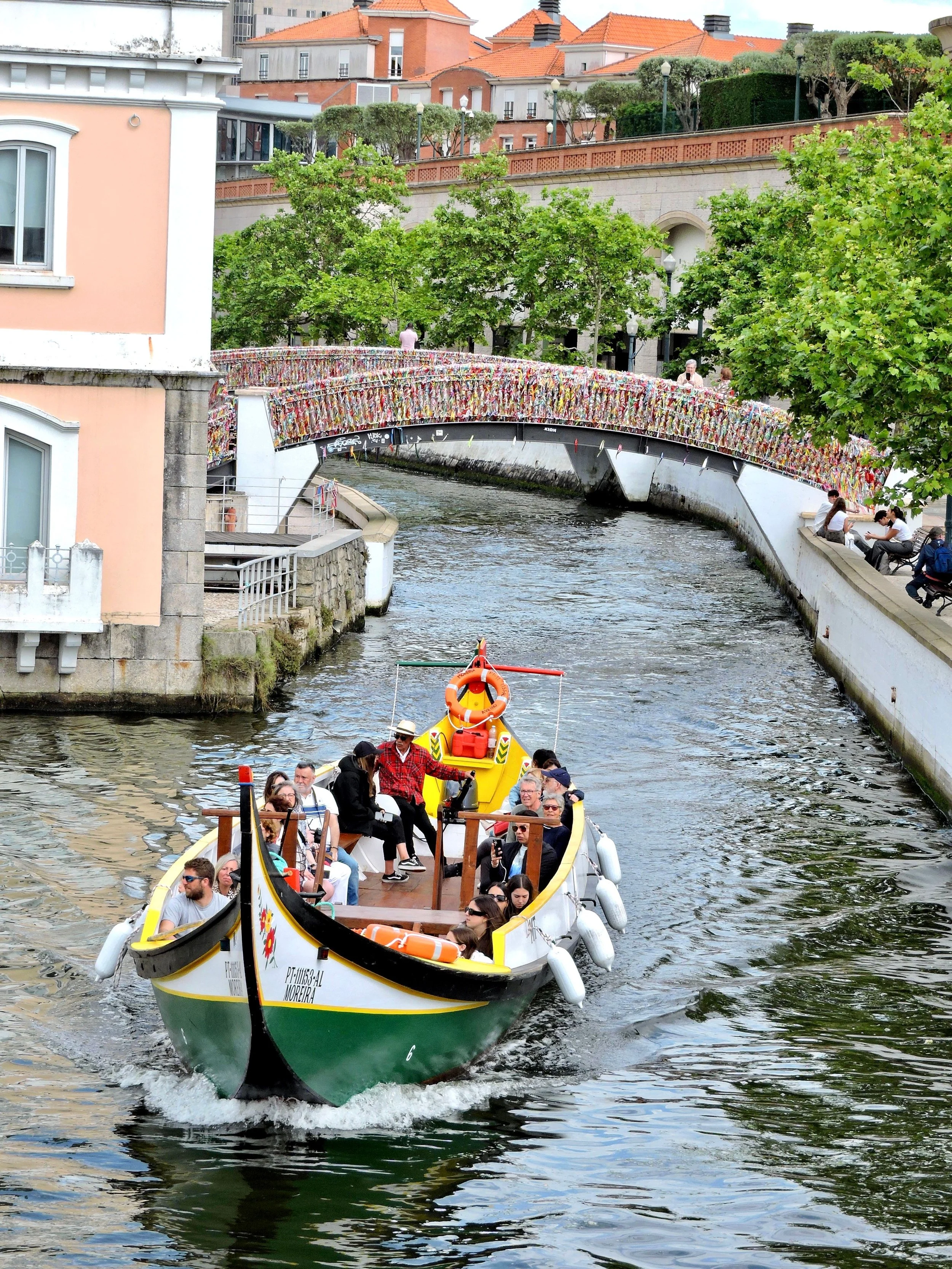
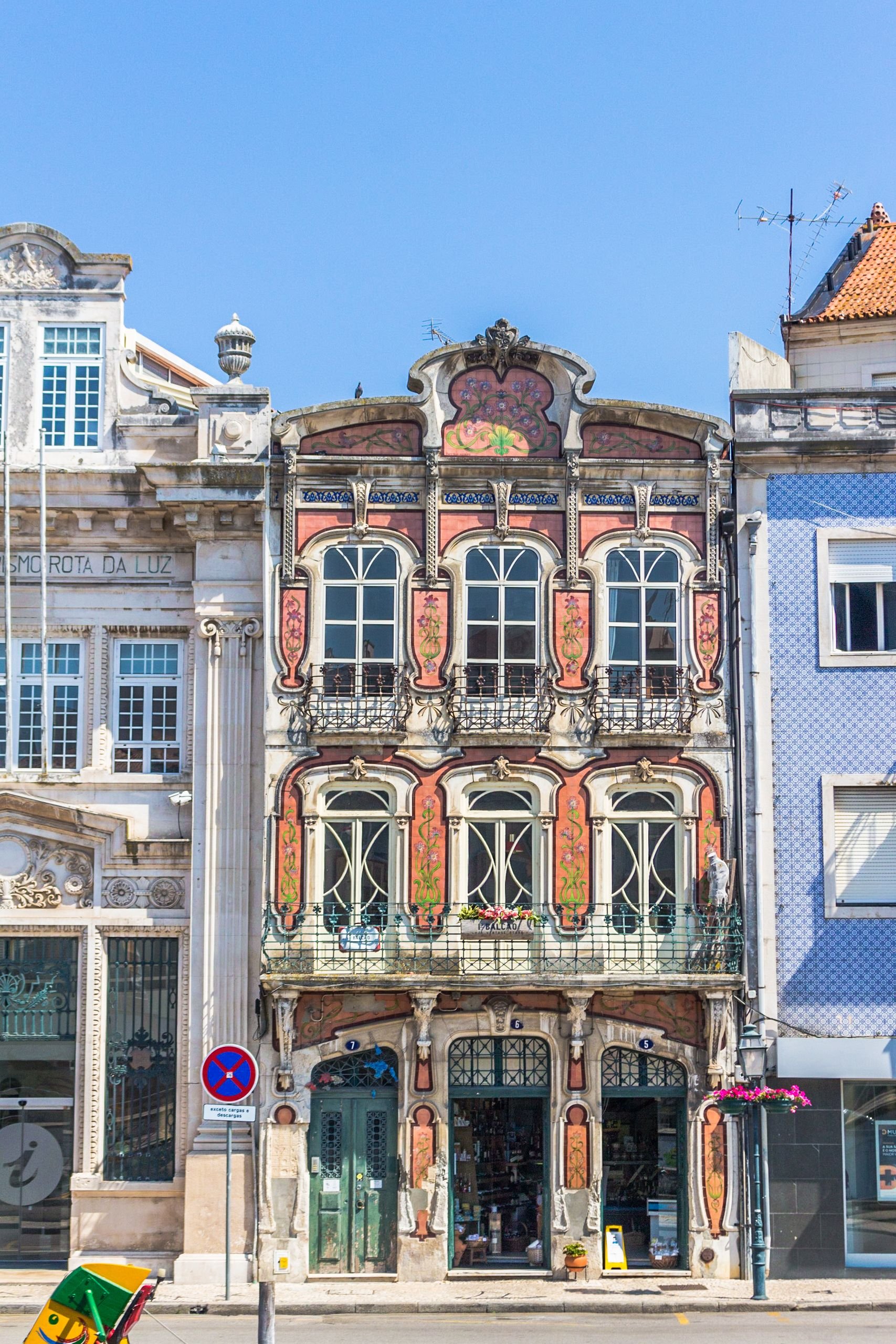
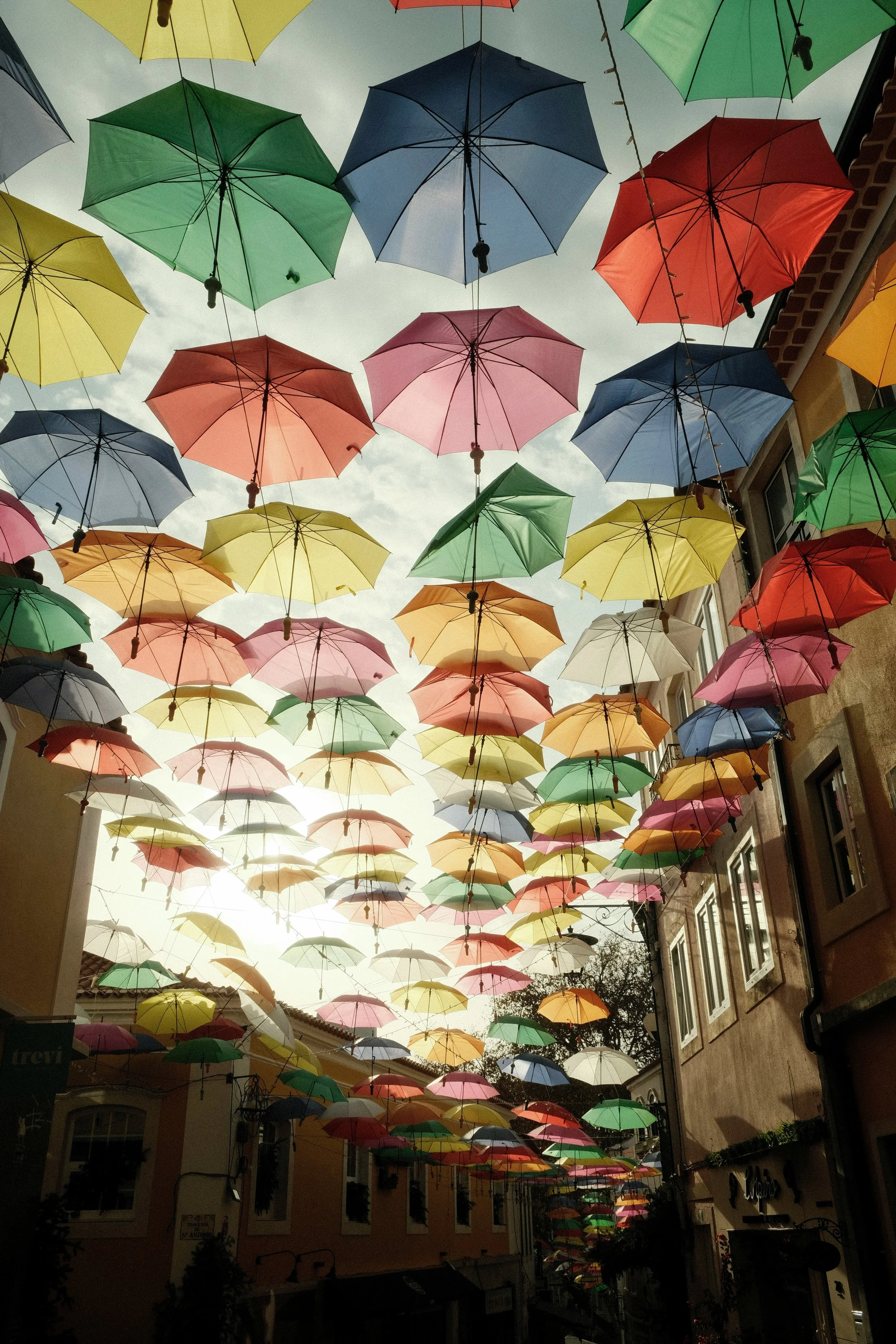
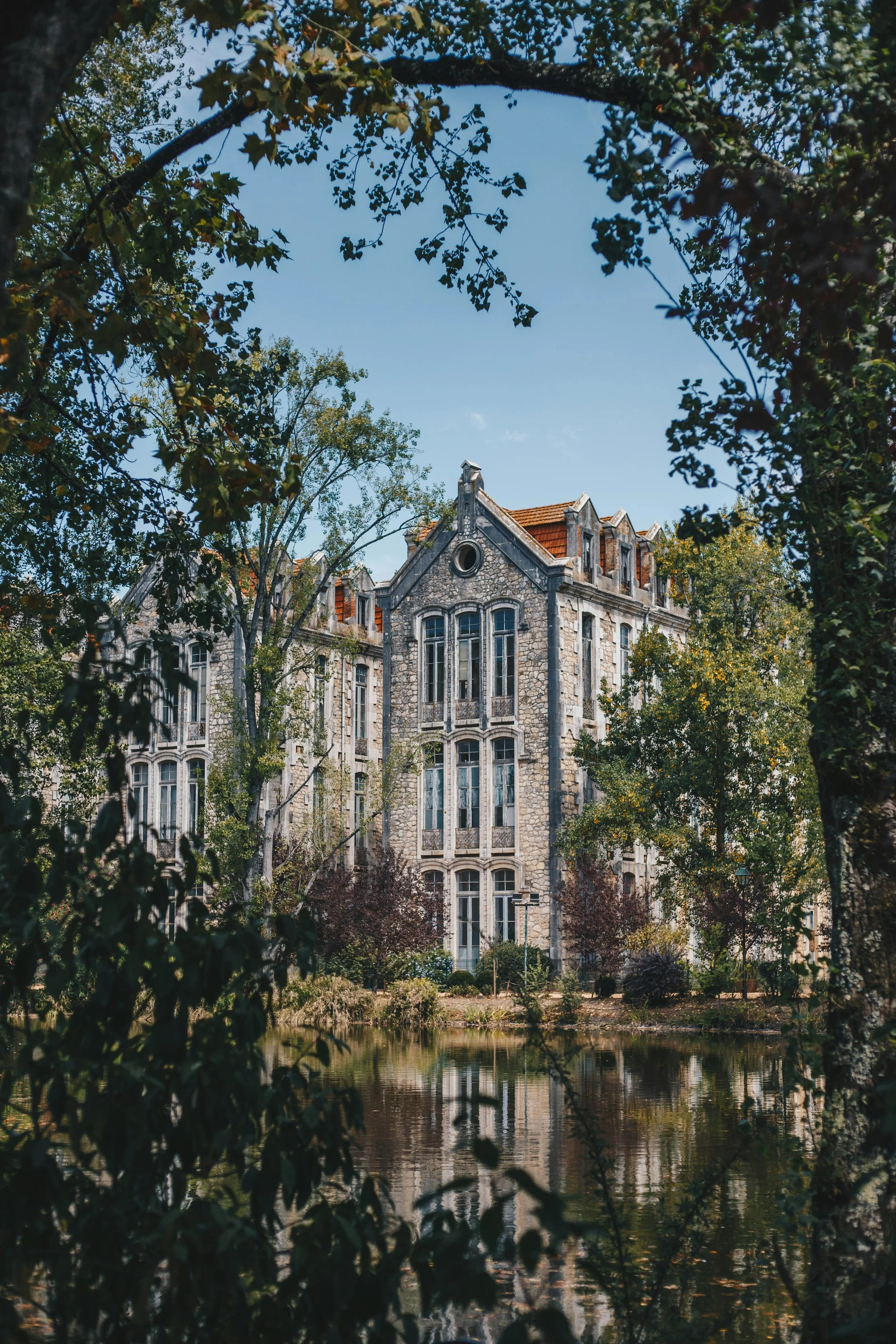
Why it earns the day: It feels less like checking off a destination and more like spending time inside a Portuguese town that is busy being itself.
If your trip needs the Atlantic
Starting from Lisbon: Ericeira. Just 40 minutes from the capital, this World Surfing Reserve maintains its whitewashed fishing village soul. Walk along dramatic ocean cliffs, watch the swells roll in, and sit down for a lunch of fresh sea urchins (ouriços) or grilled line-caught fish.
Starting from Central Portugal: Nazaré. Famous for winter big waves, Nazaré’s older story sits above the beach in Sítio. Ride the 19th-century funicular to the clifftop settlement, walk toward the sanctuary overlooking Praia do Norte, and stay for fresh seafood by the water.
Starting from Porto: Costa Nova. Where the lagoon meets the open ocean, Costa Nova offers a distinctly northern Atlantic atmosphere. Walk past the iconic striped timber beach houses (palheiros), cross the dunes to the wild beach, and stay for a traditional seafood stew (caldeirada) overlooking the water.
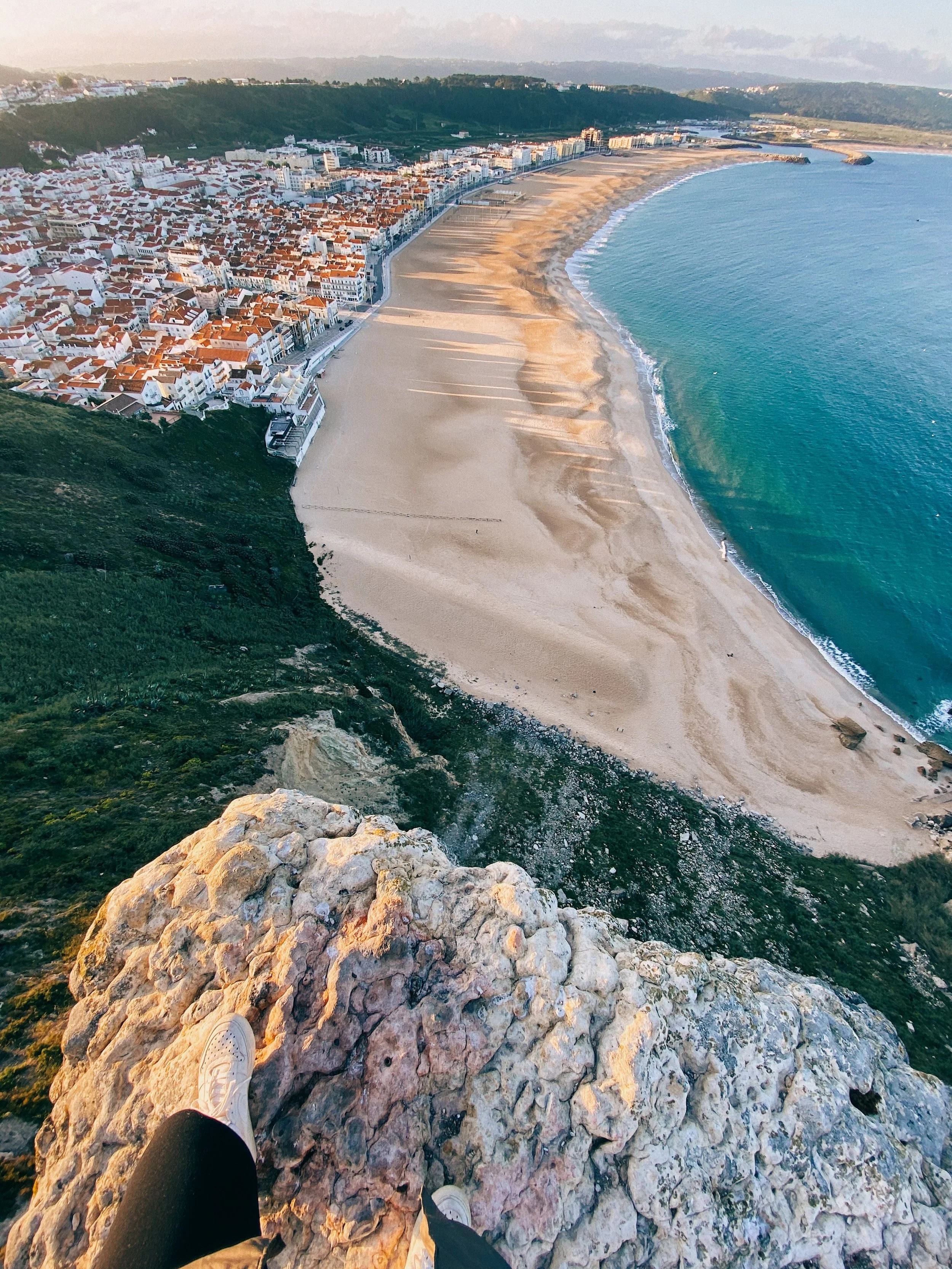
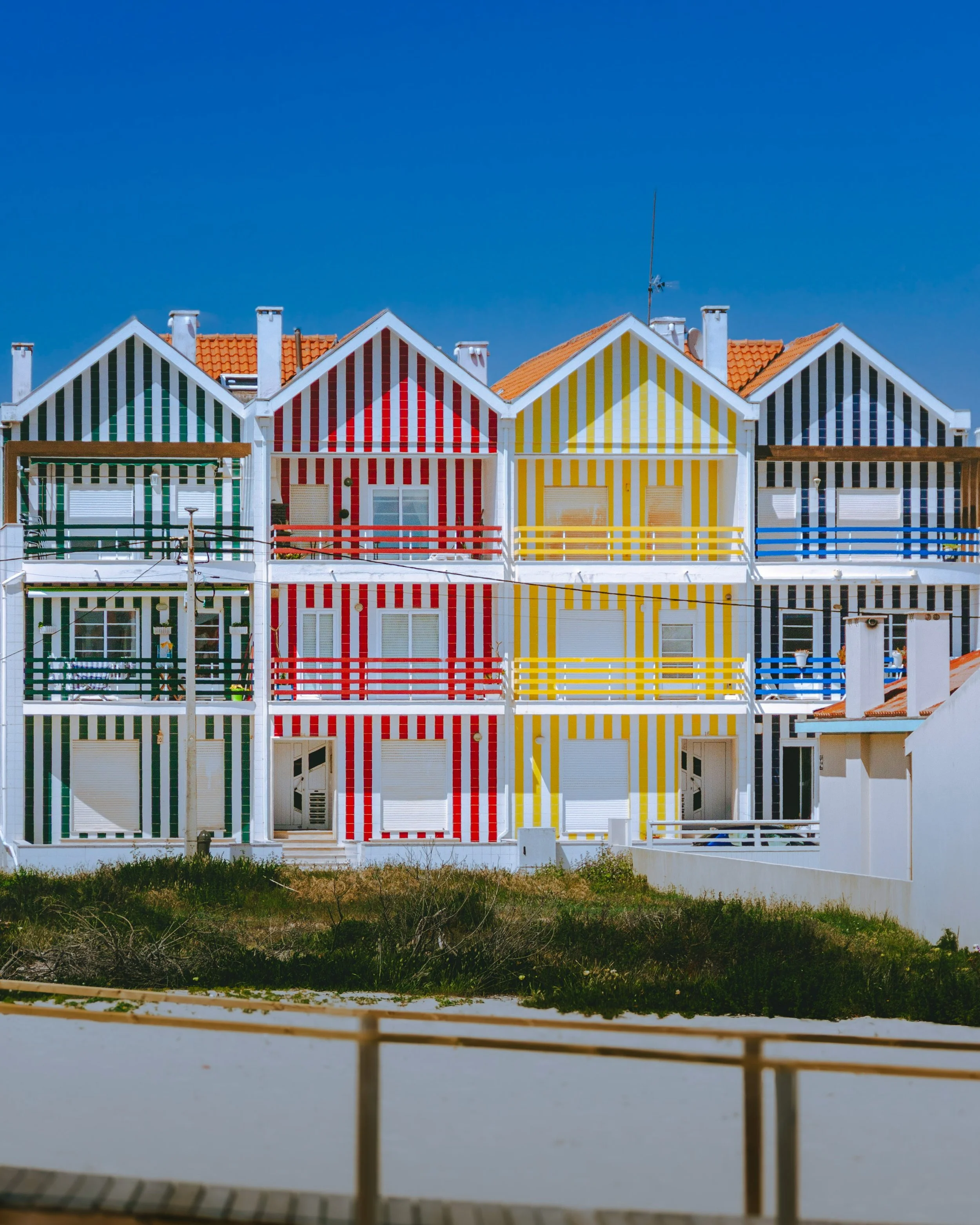
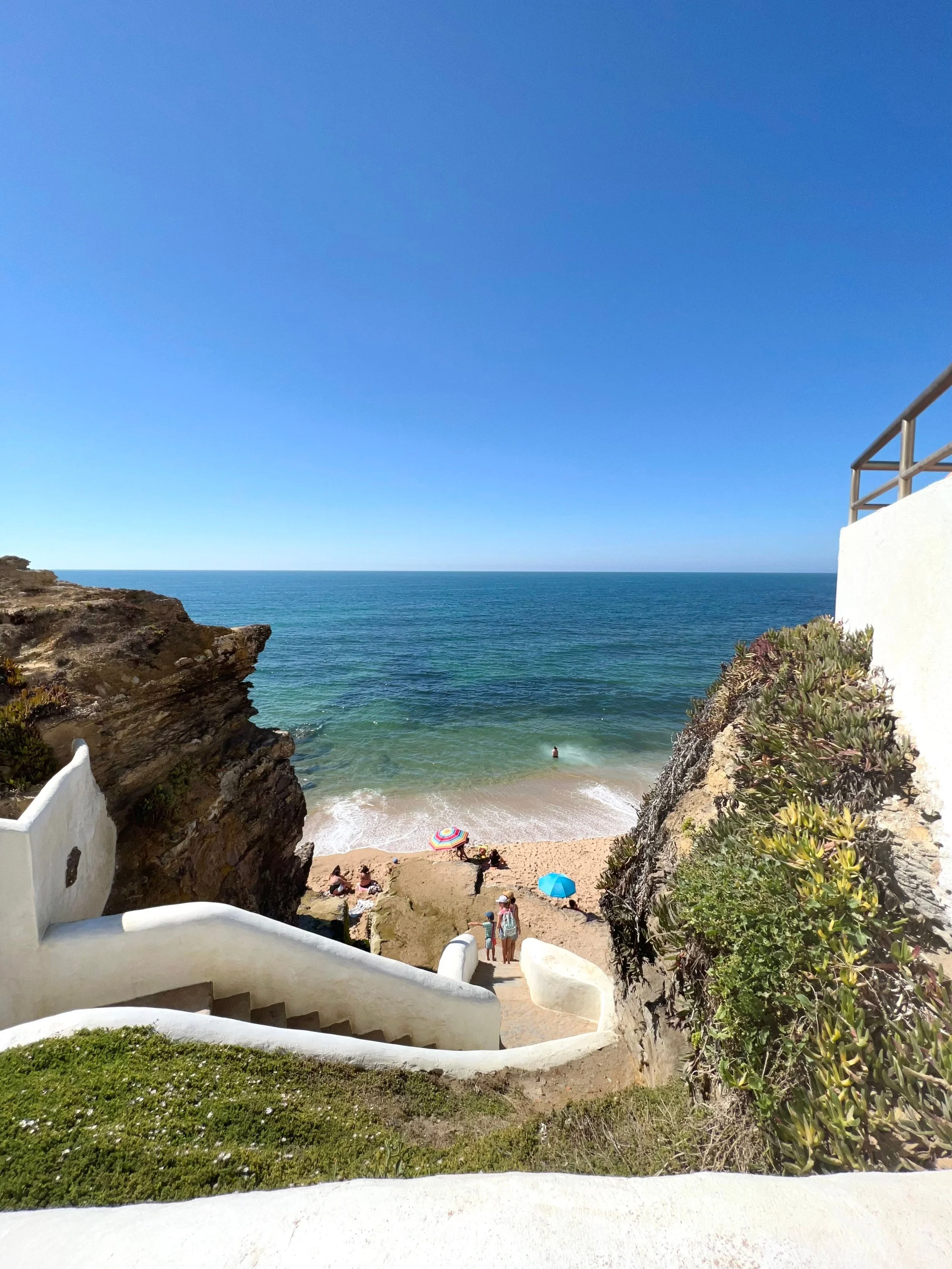
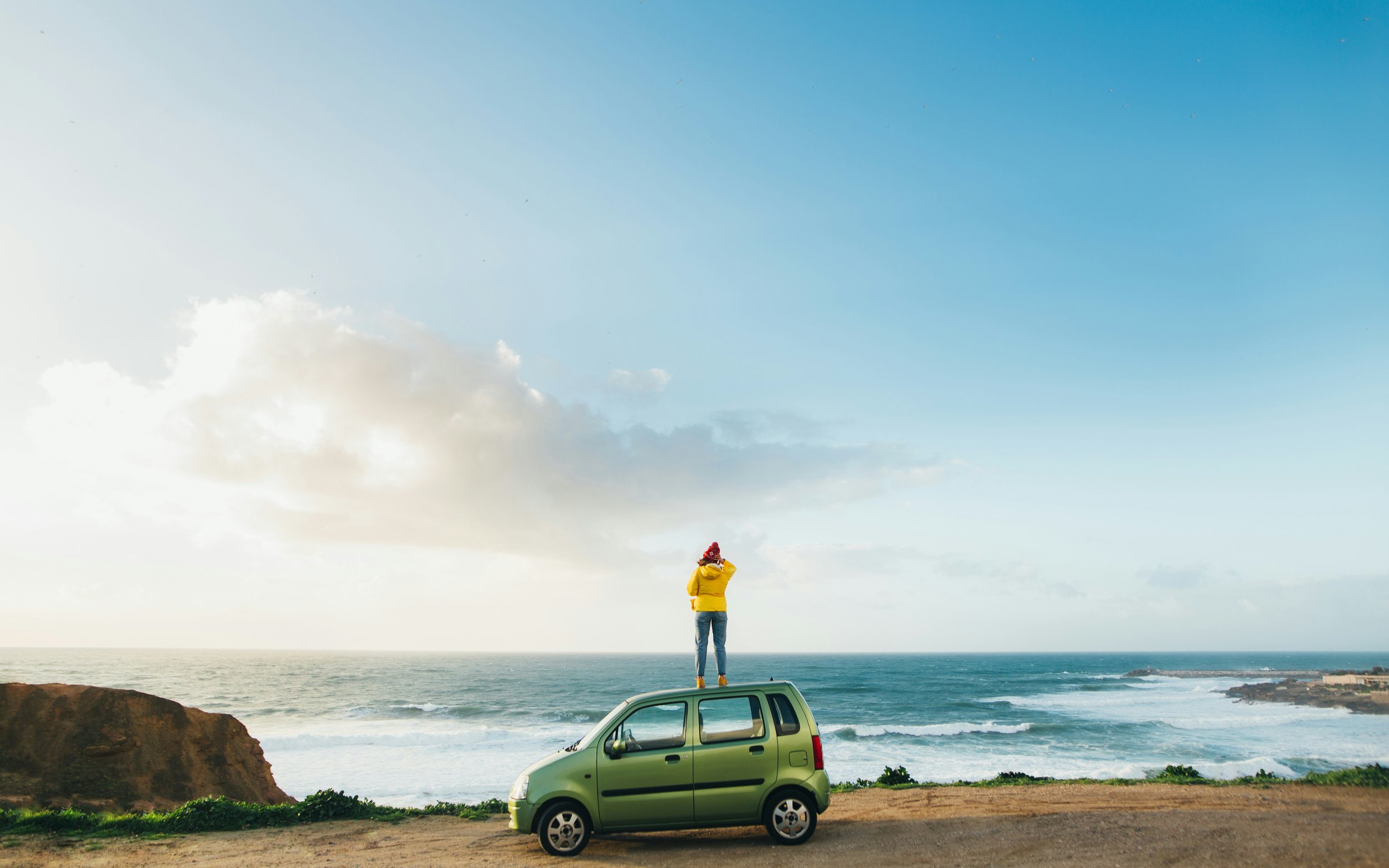
Why it earns the day: It makes Portugal’s relationship with the Atlantic feel immediate—part work, part tradition, part raw power.
If your trip needs room: the lightly planned day
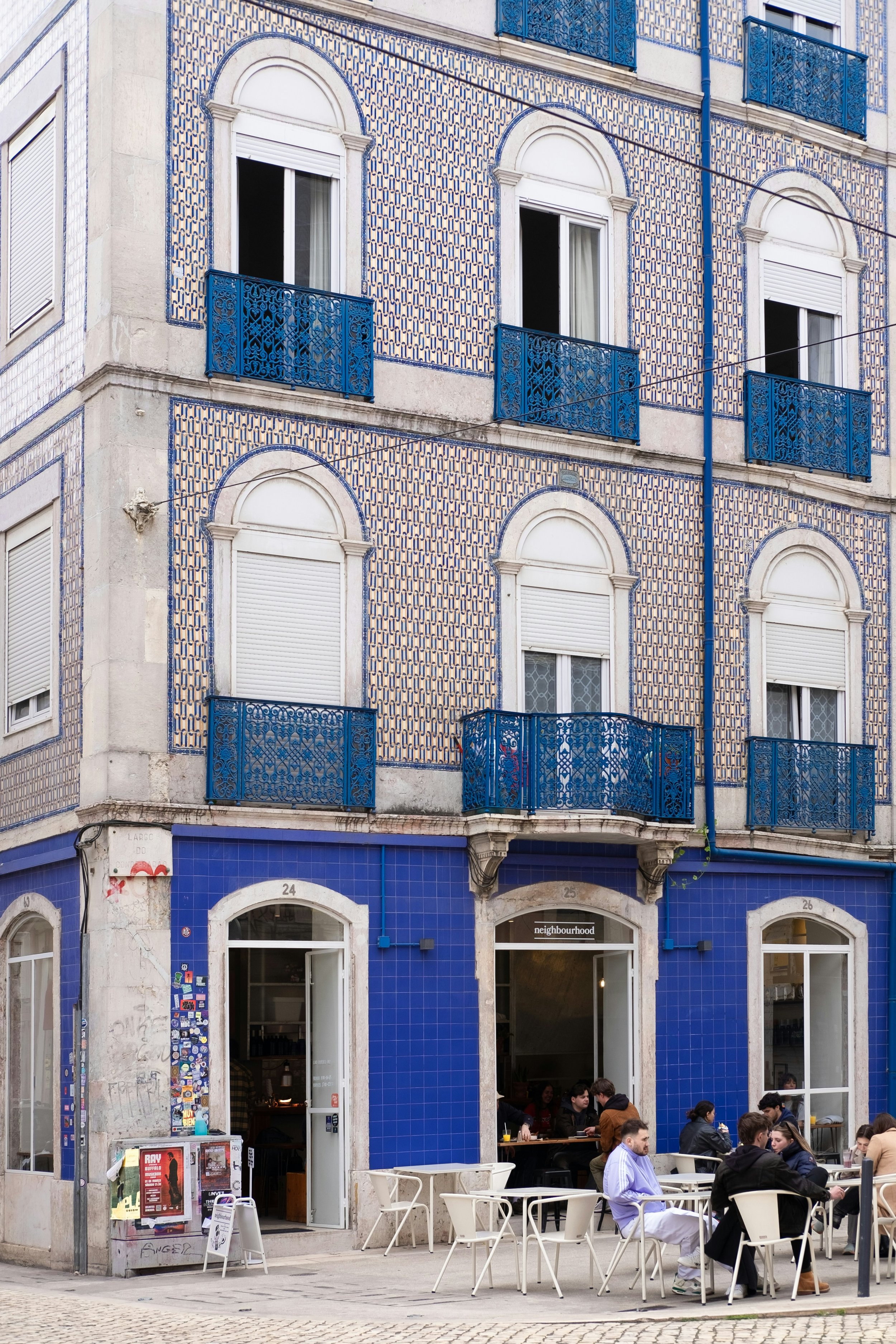
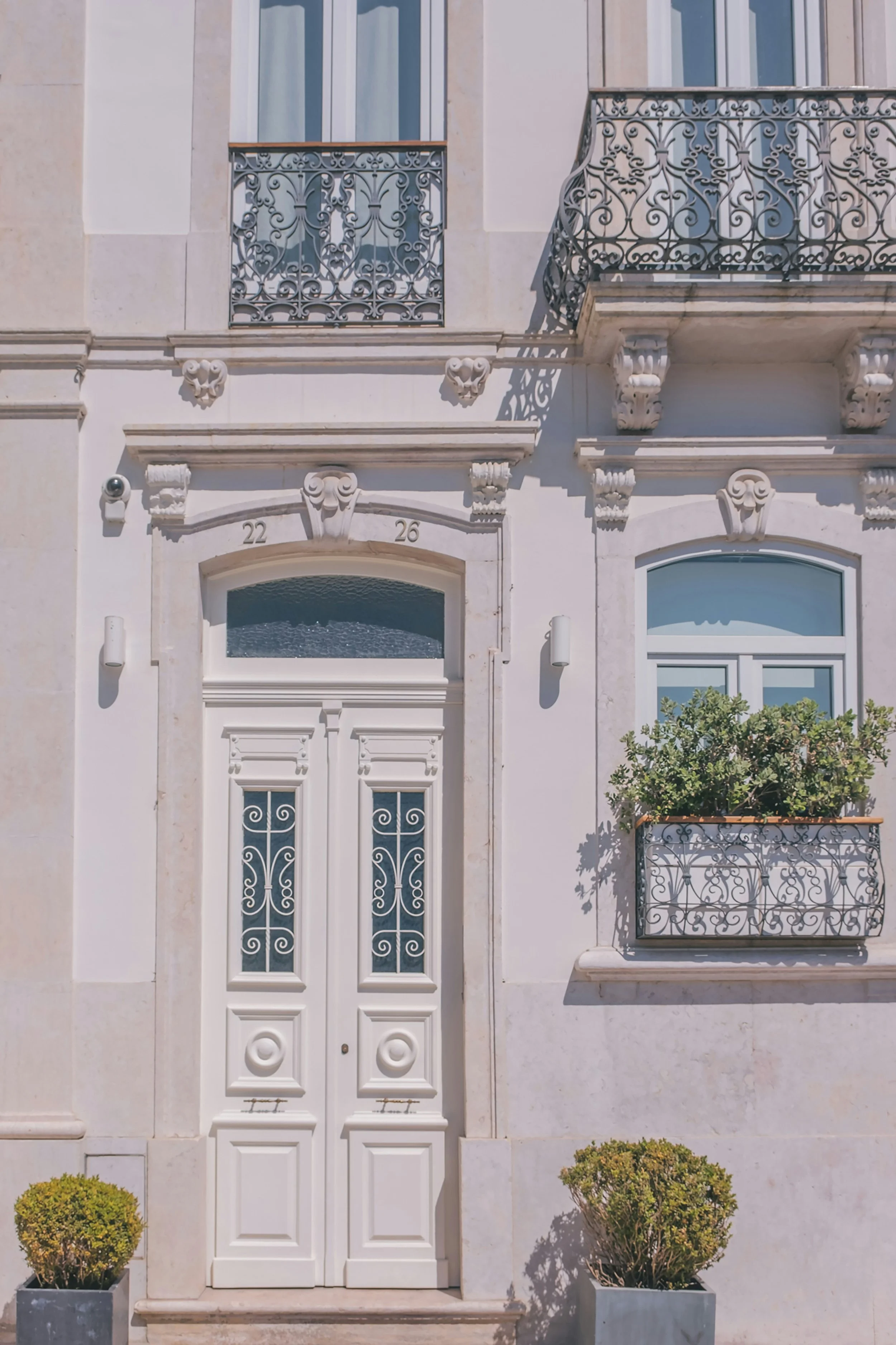
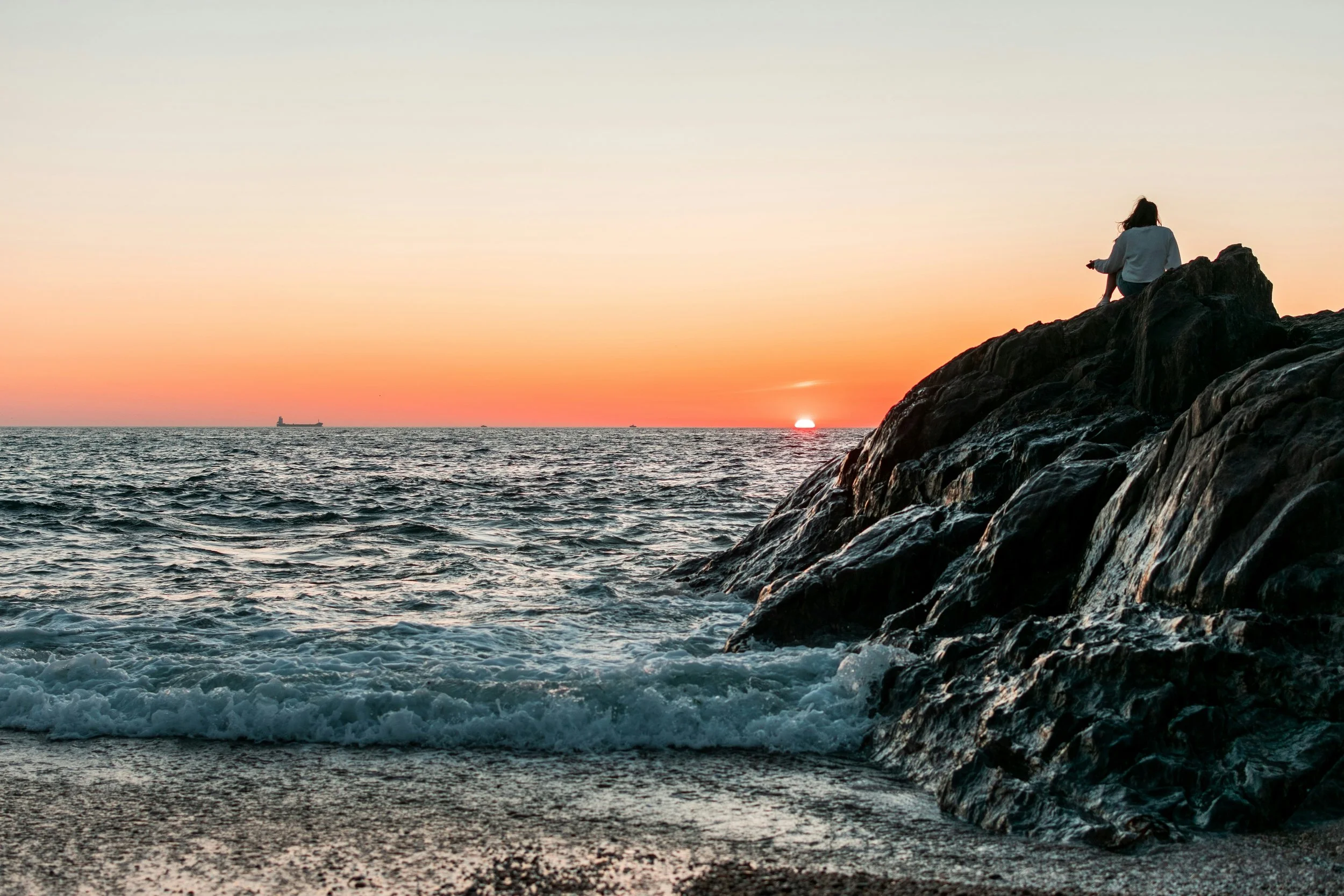
Not every good day needs a monument at its center. Sometimes the trip is asking for a morning that starts late, an independent shop worth lingering in, a proper spa treatment, or a seaside terrace with a view and no immediate reason to leave.
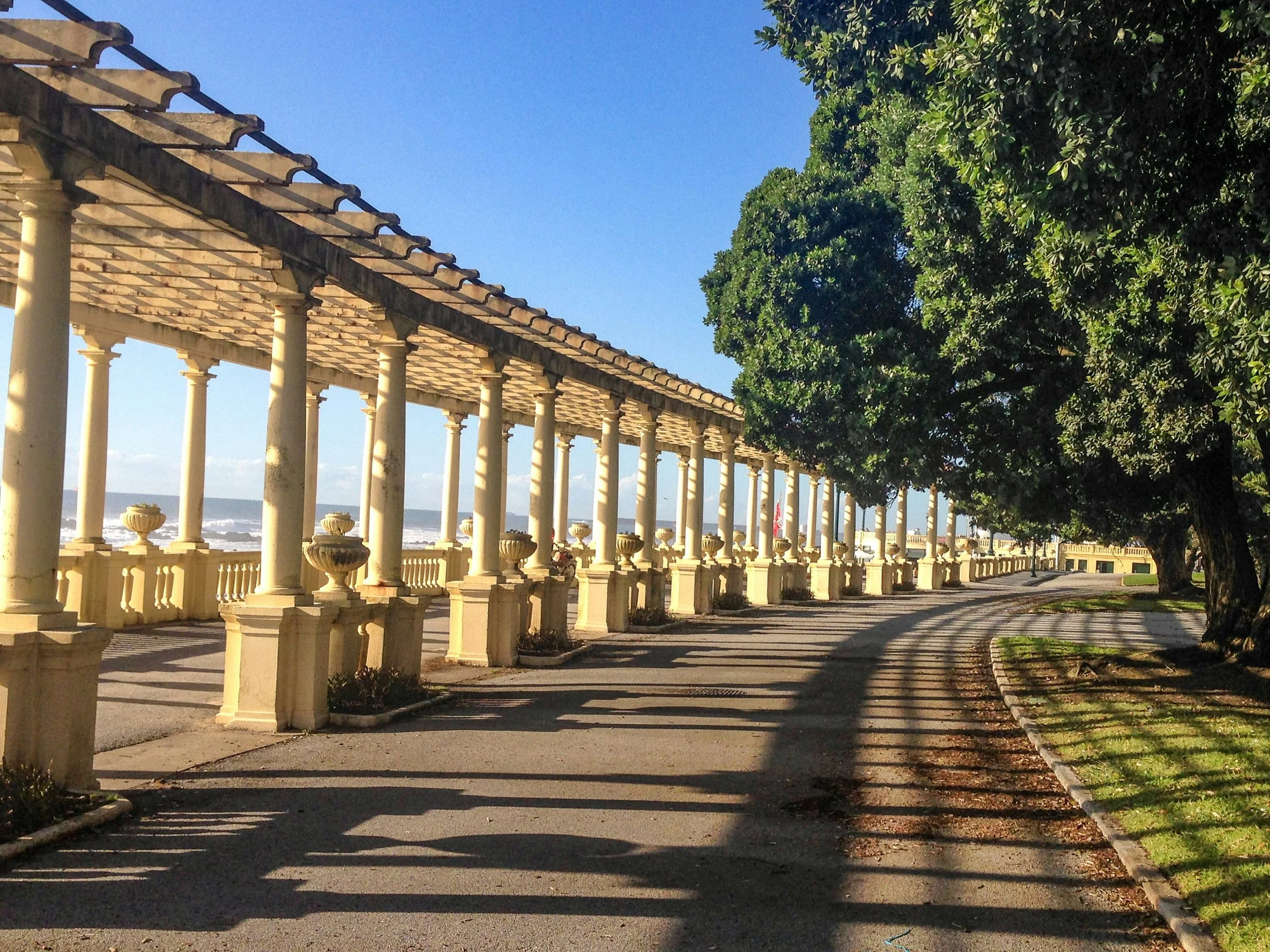
If you are staying in Porto, this might mean taking the historic tram out to Foz do Douro for a long oceanfront promenade walk and a glass of wine by the waves. In Lisbon, it might mean wandering the quiet courtyards of Estrela or Príncipe Real.
The trick is not to plan nothing. It is to plan lightly: choose the right neighborhood or landscape, make one reservation if it matters, and leave the rest of the day open enough to respond to weather, appetite, and mood. This kind of day can feel more luxurious than another private tour because time—not access—is the scarce thing.
If you want the confidence to wander without wasting time, our Portugal Guides, Maps & Detours collect the streets, views, studios, and quiet stops that make an open afternoon effortless.
A simple framework for the extra day
Name what is missing: Finish the sentence: “This trip could use more _____.” Green space, history, ocean air, or rest—one clear answer is enough.
Choose one anchor: A market morning, a forest walk, a castle, or a spa can hold the day. Let everything else take shape around it.
Protect lunch: Give yourself permission to sit down for two hours without checking the clock.
Leave something undone: Leaving a few sights for next time is not a planning mistake, it is the best reason to return.
Planning the day that belongs in your trip
The famous stops often plan themselves. The extra day is more personal: it depends on how much energy remains, who is traveling, and what would make the journey feel complete rather than merely longer.
Whether you need a single meaningful detour, a complete custom itinerary, or a private corporate retreat, RuaMar shapes travel around that exact judgment: balancing the places you came to see with the quiet tables, wild landscapes, and local stories that make your time in Portugal feel well spent.
Frequently Asked Questions
-
Yes—if it changes the rhythm of the trip rather than adding another rushed destination. Use it for something the itinerary is missing: regional food, nature, history, the Atlantic, or simply more room to enjoy where you already are.
-
We explore a full selection of regional escapes in our travel guide, Beyond Lisbon: Portugal’s 15 Most Enchanting Day Trip Destinations.
For a curated starting point: Setúbal, Ericeira, Tomar, Caldas da Rainha, and Nazaré offer exceptional contrast from Lisbon. From Porto or the North, Guimarães, Viana do Castelo, Aveiro, Costa Nova, Arouca, and Foz do Douro deliver authentic and delicious experiences. We recommend building the day around one main place or activity rather than combining several stops into a single rushed transfer day. For self-guided maps and curated local stops, explore our Portugal Guides, Maps & Detours.
-
Choose a day trip when returning to the same base keeps the journey simple. Stay overnight whenwhat you’re hoping to experience takes place in the evening, early morning, or at a slower pace—or when a return journey would consume too much of the day.
-
Whether you are adding a day after a conference, planning a corporate retreat, or organizing a private group journey, RuaMar designs custom Portugal itineraries and regional extensions. For travelers planning independently, our Portugal Guides, Maps & Detours offer a lighter way to access our local point of view