An intimate table, a moving room, or a temporary world: in Portugal, the size of the group changes the trip long before anyone boards the plane.
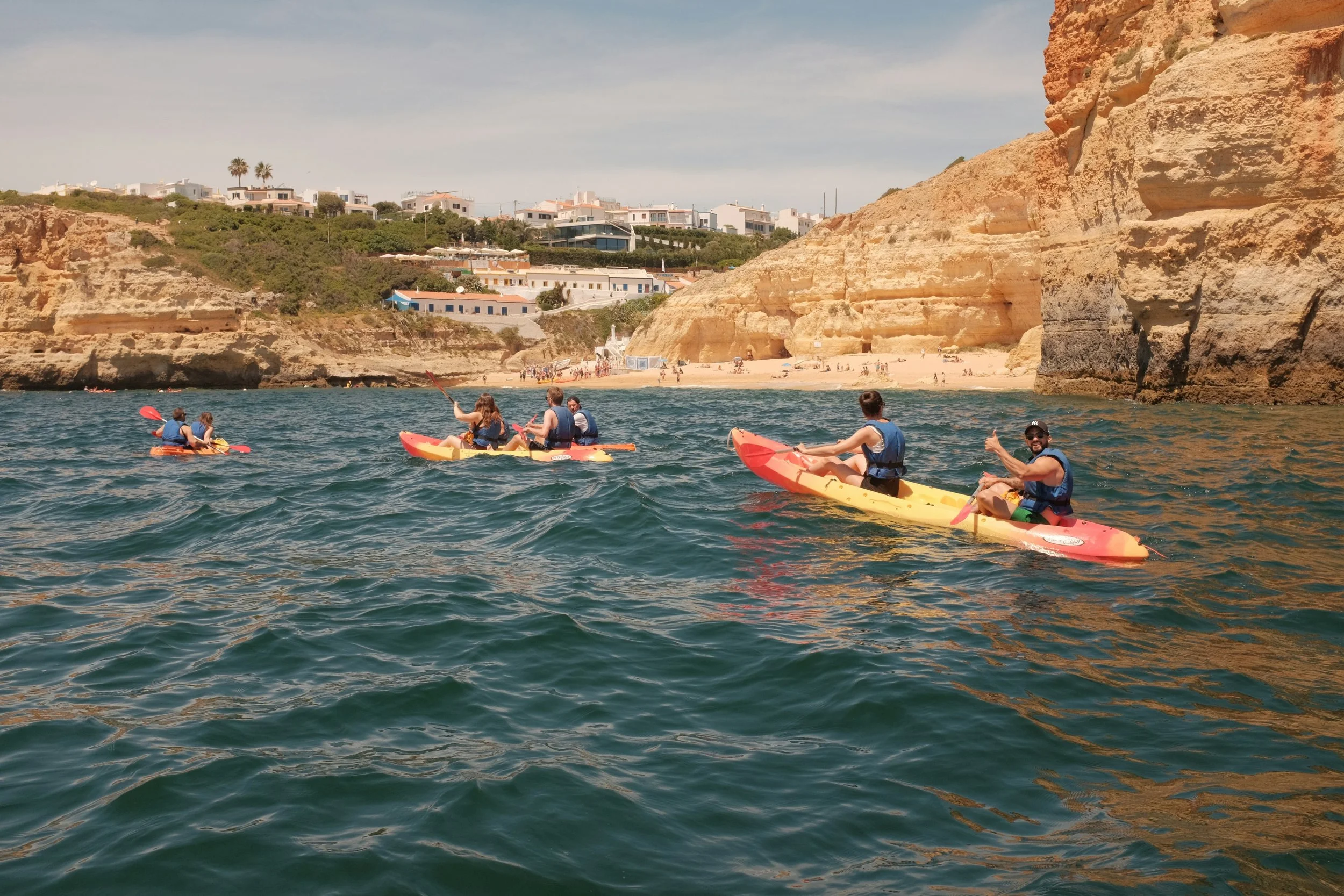
A group trip is not an individual itinerary multiplied by the number of guests. At 10 people, Portugal can feel almost private: one villa, one table, one driver, one story. At 40, it is about rhythm, moving people without making them feel managed. At 100, the journey becomes a live production, with arrivals, rooming, transport, menus and weather plans working quietly behind the scenes.
The purpose may be personal or professional: a milestone birthday, a family gathering, a culinary trip, an executive retreat, an incentive or a company anniversary. But the central planning question stays the same: what should this group be able to experience together?
RuaMar begins there. Every private journey, culinary escape and corporate retreat we plan in Portugal is built around the people traveling, the outcome that matters and the pace the occasion can hold, not a standard route enlarged to fit a headcount.
The short answer
What changes when a Portugal group grows from 10 to 40 or 100 people?
At 10, planning is about access and intimacy. At 40, it is about flow, choice and shared rhythm. At 100, it is about production: capacity, movement, communication and contingency, without letting the mechanics flatten the character of the trip.
What changes with group size
| Group size | The real priority | What becomes possible | What becomes harder |
|---|---|---|---|
| 10people | Intimacy and access | Villas, private tables, small producers, spontaneous detours | Balancing different tastes without over-planning |
| 40people | Rhythm and flow | A shared trip with parallel experiences and strong group moments | Rooming, restaurant capacity, transport, and timing |
| 100people | Production and consistency | A high-impact gathering with multiple layers and formats | Arrivals, venue fit, guest communications, staging, and fallbacks |
RuaMar plans across this whole range, from private trips and celebrations to company offsites and retreats in Portugal for 8 to 150 guests. We are a registered Portuguese travel agency (RNAVT 13739), based in Lisbon, handling venue fit, accommodation, transport, cultural programming and the local partners on the ground.
When 10 feels private
There is a particular kind of ease that can be achieved with a smaller group. Everyone fits around one long table. A chef can speak to the room without a microphone. A winemaker can open something not usually poured. If lunch runs long, the afternoon can bend around it.
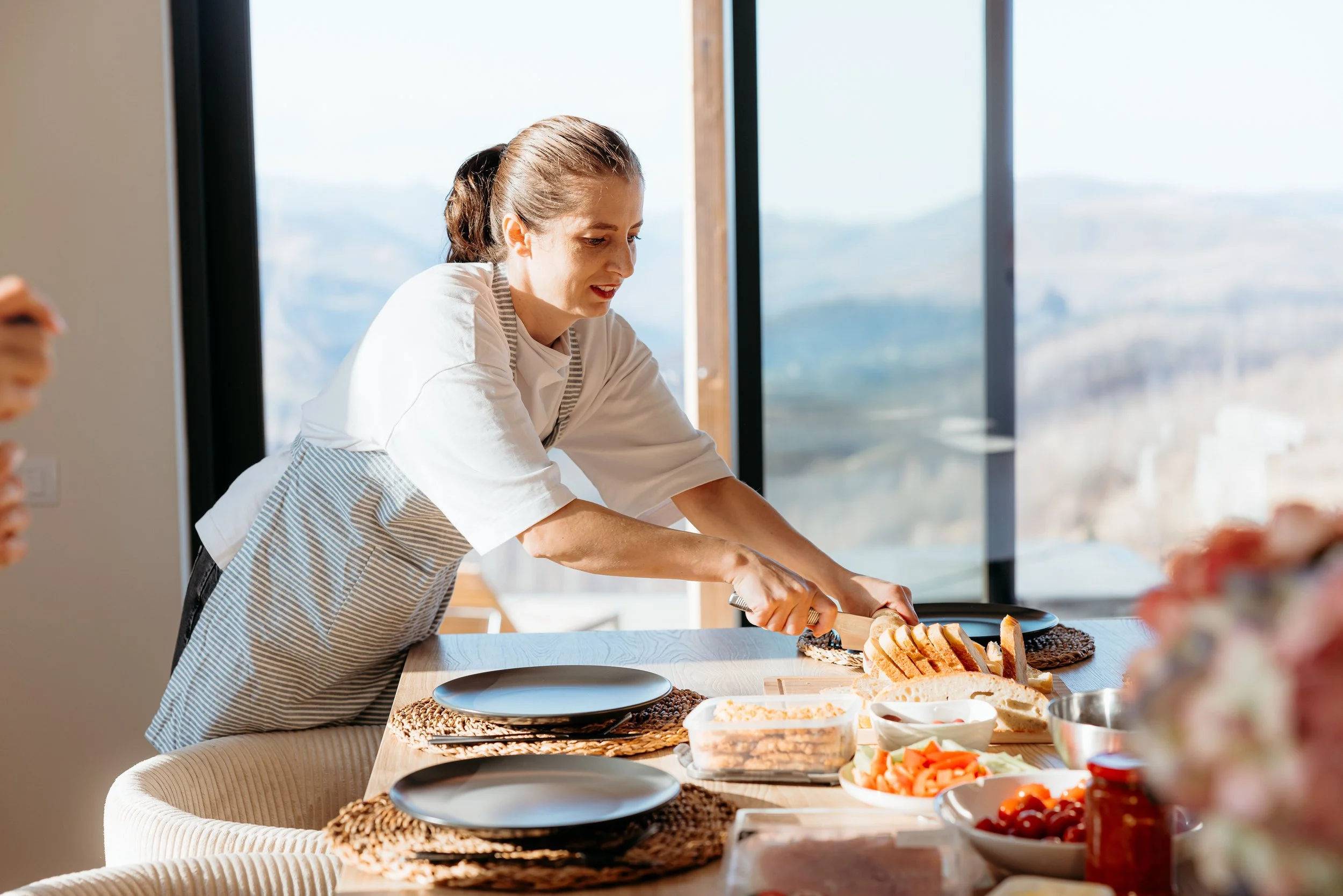
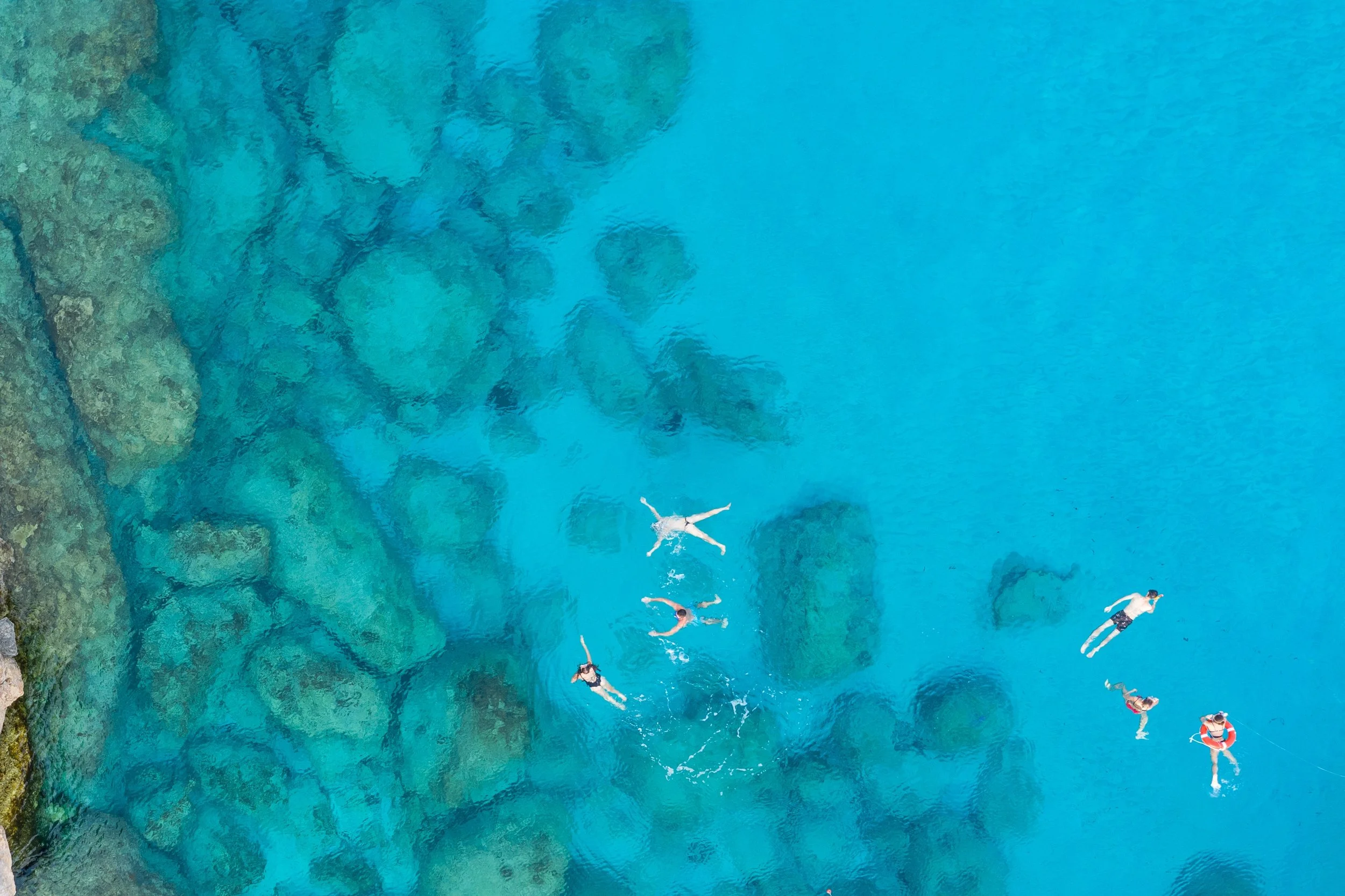
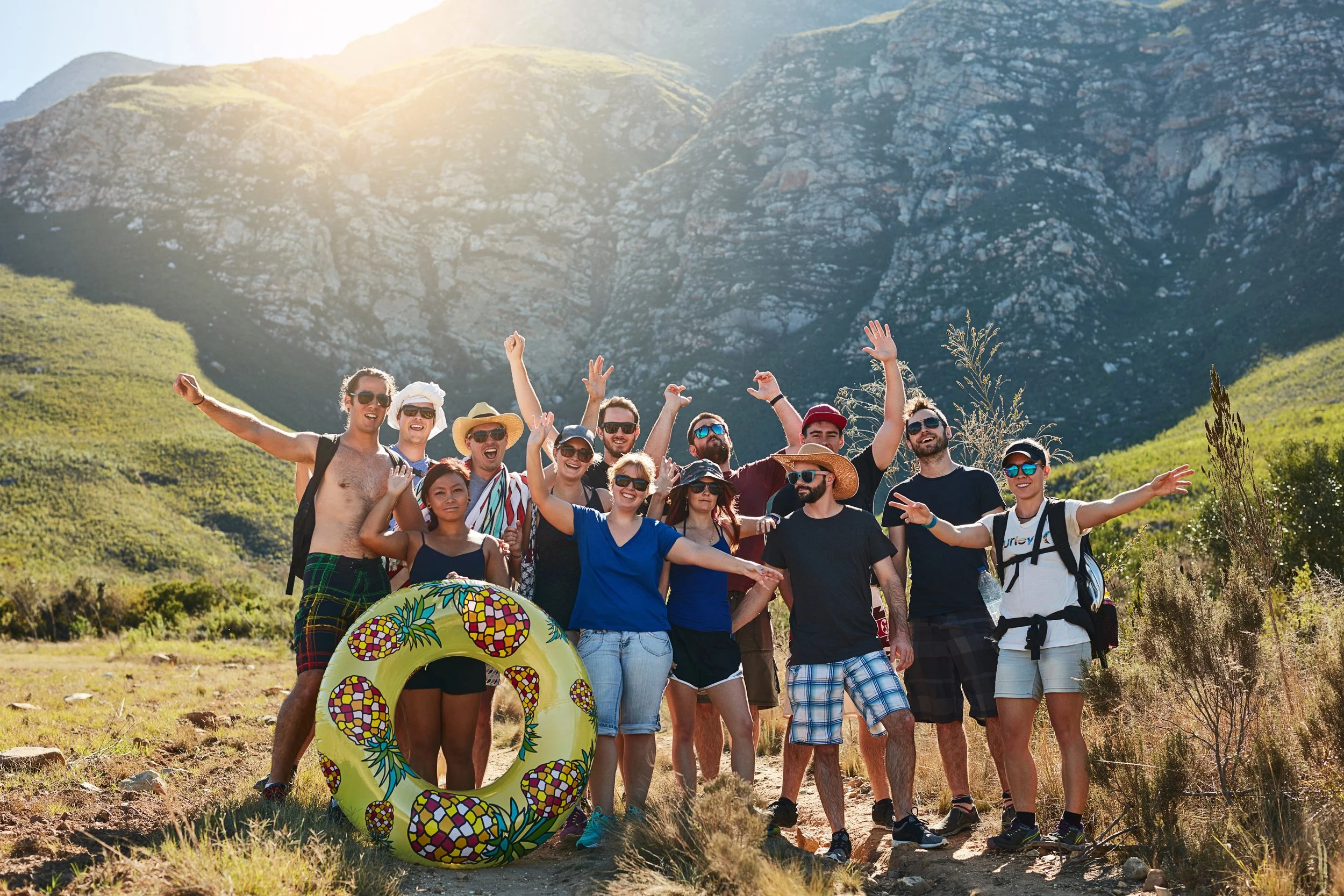
This is the natural scale for a milestone birthday in Lisbon, a family reunion on the coast, an anniversary journey through the Alentejo or a food-and-wine trip linking Porto with the Douro. It also suits a small leadership team that wants candor and rest rather than a formal conference agenda.
The advantage is not luxury. It is proximity: to the host, to the landscape and to one another.
What a group of 10 unlocks
More distinctive stays: a private villa, quinta or small design hotel becomes realistic, rather than a property chosen for its room count.
One-table dining: meals can happen in small restaurants, private rooms, vineyards and homes where 40 guests would change the atmosphere completely.
Small-scale access: cooking with a local chef, meeting an artisan or visiting a family-run cellar stays conversational rather than becoming a demonstration.
Responsive pacing: the day can absorb a late start, an extra swim, a longer tasting or an unplanned stop without a chain of delays.
One shared story: most experiences can include everyone, so there is little need for rotations or parallel tracks.
Still, 10 people bring their own complexity. One guest wants every cathedral and museum; another wants a beach chair and no agenda. Dietary needs, mobility, room sharing, budgets and arrival times all matter. The plan should protect freedom without turning the group chat into an operations center.
At this scale, a well-shaped journey might pair Lisbon with the Atlantic coast, or Porto with the Douro: three or four nights, one defining meal, one deeply local encounter and enough open space for the place to make its own impression. RuaMar's bespoke Portugal itineraries are designed for exactly this kind of trip, including milestone celebrations, reunions, private dining and time with chefs, artisans and winemakers.
When a group of 40 needs rhythm
Forty people can still share one experience, with some extra planning. A group of 40 fills a coach, takes over a restaurant room and arrives at a hotel desk all at once.
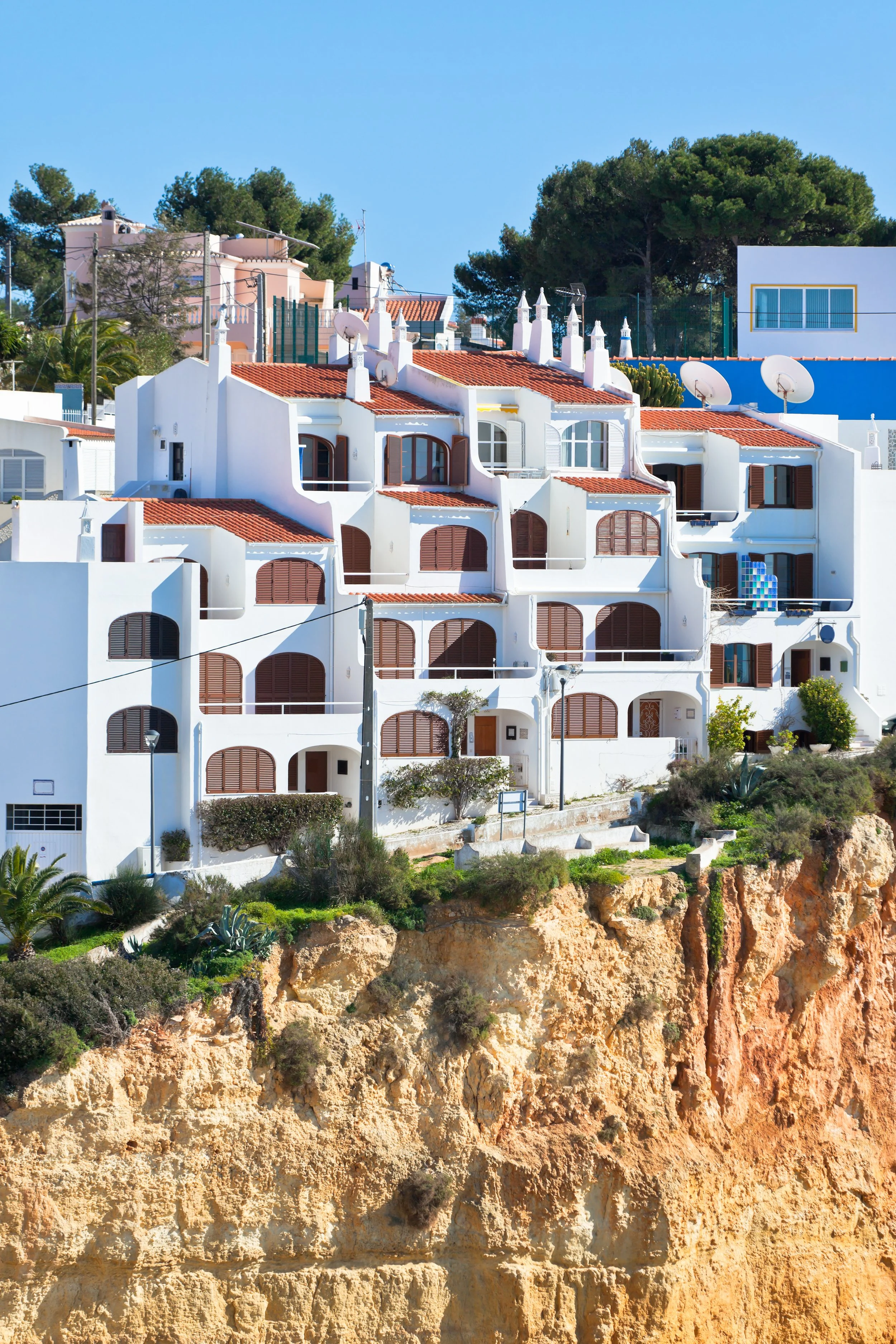
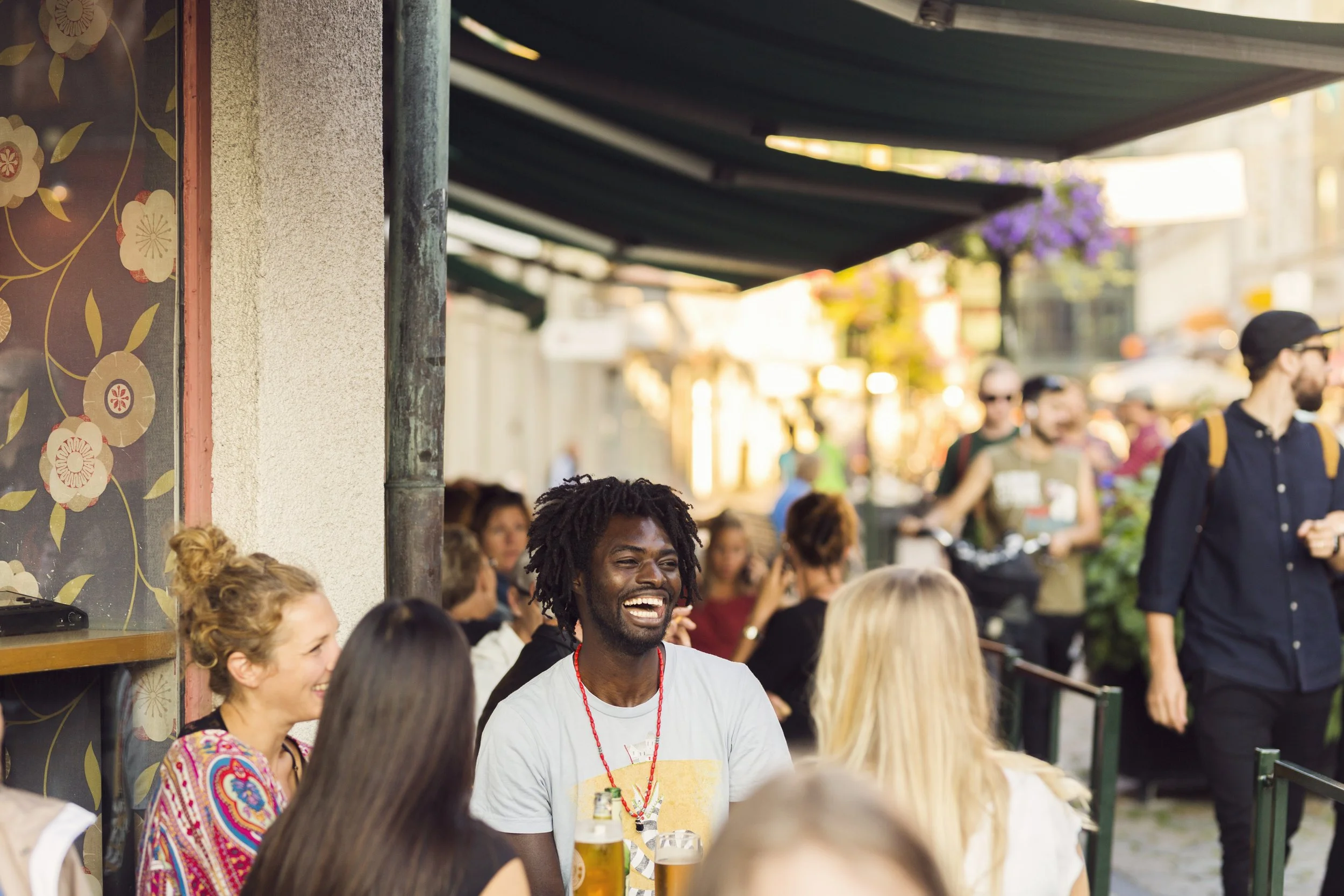
This is where the invisible decisions matter most. A beautiful hotel may have the wrong mix of rooms. A celebrated restaurant may technically seat 40 but lose its warmth when every place is filled. A vineyard may welcome the group yet lack the shade, bathrooms or service staff to make the afternoon feel effortless. At this size, rhythm becomes the focus.
Accommodation becomes a system
The room count is only the beginning. A 40-person trip may need twins, singles, accessible rooms, upgrades for hosts, early check-ins and luggage storage for staggered flights. The hotel also needs places where the group can gather naturally: not just a meeting room, but a terrace for coffee, a lobby that can absorb arrivals and a bar where the evening can continue without another transfer.
Meals need choreography
A table for 40 behaves differently from a table for 10. Menus must account for service speed, dietary needs, kitchen capacity, the energy of the day and happy tastebuds.
The answer is not to make every dinner grand. Often the better sequence is a relaxed first night, an experience-led lunch, one truly memorable dinner and an evening when guests choose for themselves. Food then becomes the spine of the trip rather than a procession of fixed menus.
Choice should be designed
At 40, a well-made program might split into a market visit, a coastal walk and a wine experience, then bring the group back together at sunset. Choice keeps the itinerary from being set by the least mobile guest or the most energetic one.
Parallel activities only work when they feel equal. "Option B" cannot read as the consolation prize. Each path needs its own host, point of view and satisfying ending. Every activity we offer is run by licensed, insured operators, and on corporate programs we share their details so your HR or risk team can review them first.
This scale is particularly strong for a destination celebration, culinary society, client gathering or company offsite. For a professional group, RuaMar builds an arc (arrival, focus, immersion, celebration, closing) rather than solely filling the hours around a meeting agenda.
When a group of 100 becomes production
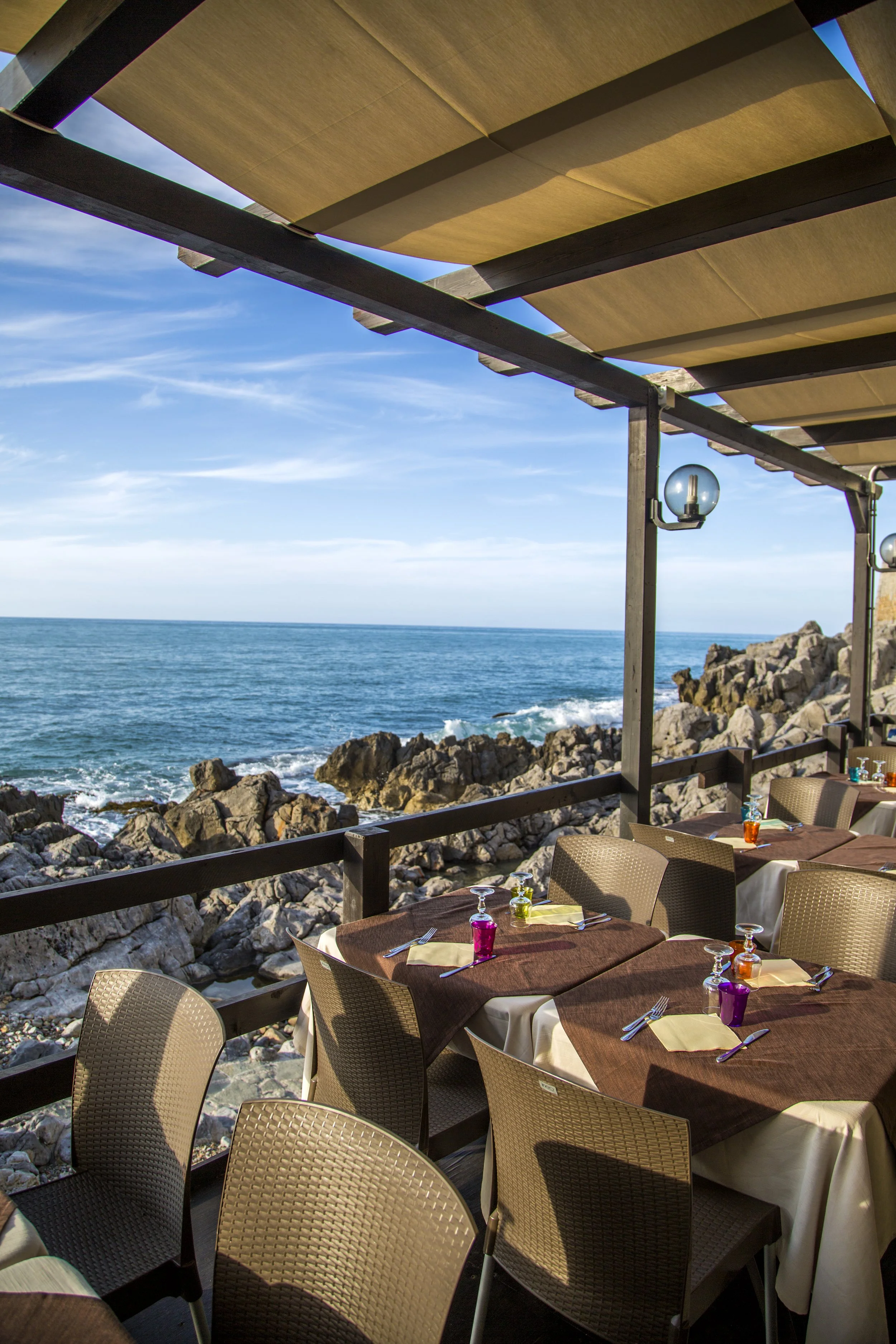
At 100 guests, a bespoke trip becomes a temporary world. People arrive from different cities, carry different expectations and judge the program through dozens of small signals: the clarity of the first message, the welcome at the airport, the ease of check-in, the temperature of lunch, the length of the transfer and whether anyone seems to know what happens next. That is not a reason for the journey to feel corporate or impersonal. It is the reason it needs production thinking.
Venue fit is strategic
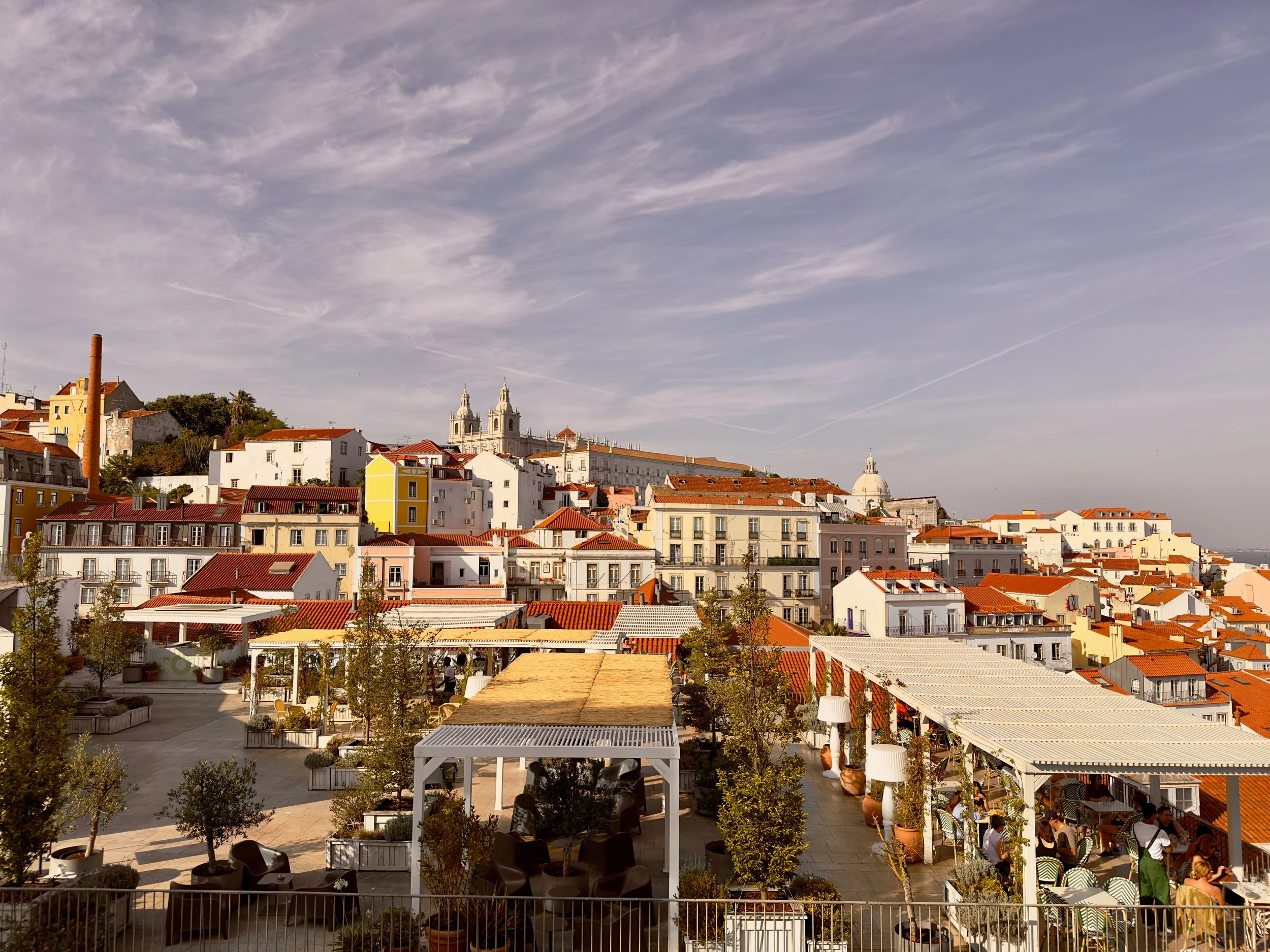
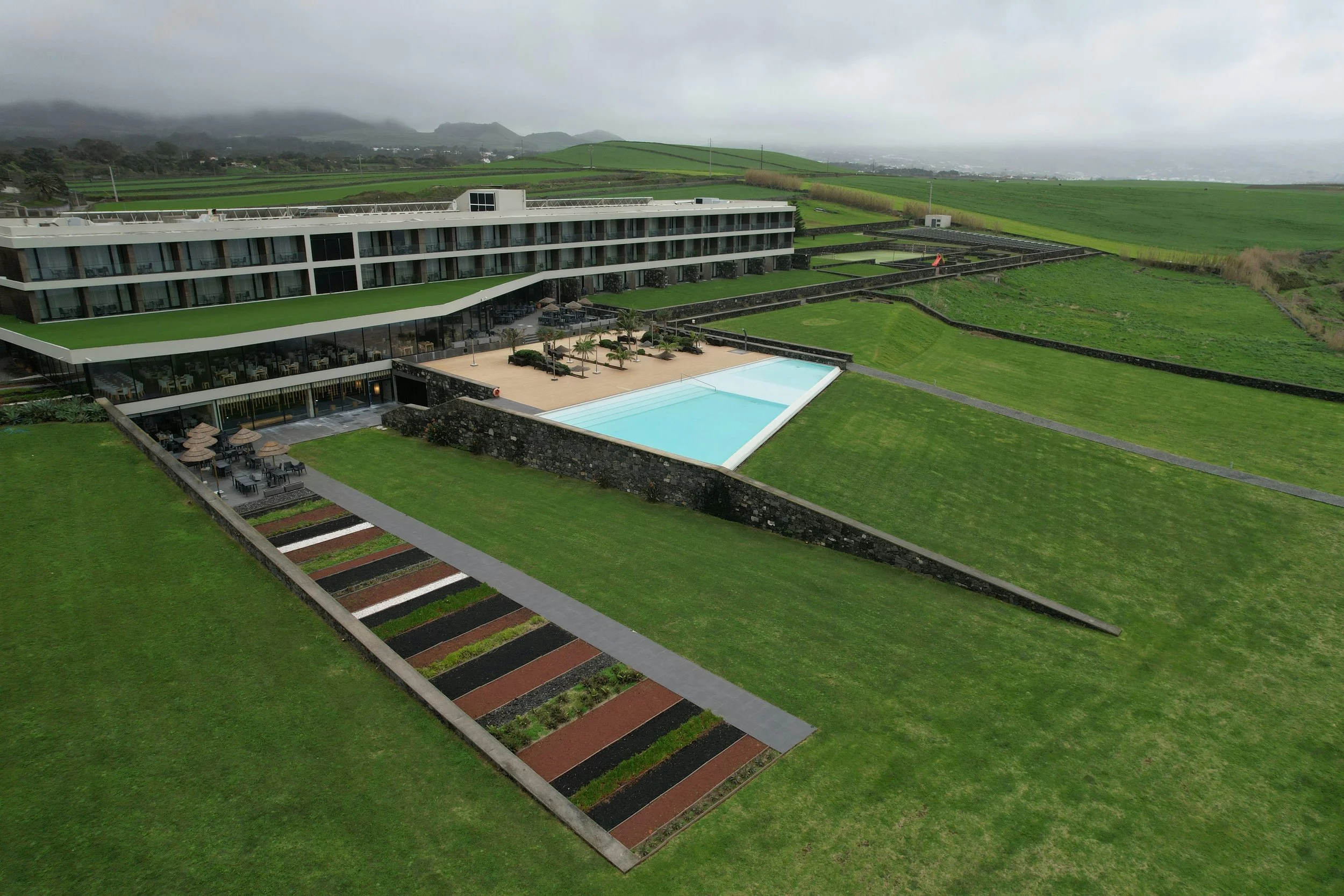
A hotel can be famous on Instagram and still be an operational headache for 100 guests. Beyond room counts, a venue needs invisible flow: coach access that doesn't cause a traffic jam, acoustics that let presentations land and terraces where conversations start on their own. At this scale, flow matters as much as beauty.
Arrivals set the tone
A hundred guests rarely land together. They arrive across a dozen flights: tired, delayed or hours ahead of check-in. The opening chapter of the trip isn't the welcome dinner; it's the first 90 minutes after landing. When transfers run in quiet waves and luggage reaches rooms without fuss, guests relax before the main program even begins.
The program needs layers
A group of 100 needs two modes: the shared moment at scale and the intimate detour. Moving as one block all day wears guests down, but staying in small pods the entire time misses the energy of a large gathering.
The art lies in balancing both. One evening, all 100 guests share a boat along the coast, drinks on deck at sunset before dinner. The next morning, the group splits into smaller tracks: an artisan studio visit for 10, a vineyard tasting for 20, a coastal hike for 15. When everyone meets again at the main table, they bring different stories back to the same room.
The stage needs a team
At this size, the working sessions need the same care as the dinners: sound, screens, staging, speakers and facilitators. RuaMar handles that layer locally, from AV and run-of-show to hosting speakers, VIPs and talent, so you don't have to fly in a separate production crew. For a 120-person leadership conference in Lisbon, guests came from five offices, AV was sourced locally and a team challenge had the whole room cheering each other on.
Dinner needs atmosphere
Capacity is just math; atmosphere is design. A ballroom can seat 100 people and still feel anonymous. Table layout, acoustics, warm lighting and kitchen pacing are what turn a large space into a real gathering. A great 100-person dinner shouldn't feel like a corporate banquet. It should feel like a private feast where guests can hear one another and taste Portugal in the details.
Contingency is built into the design
At this scale, weather shifts, traffic and flight delays shouldn't be treated as surprises. The real test of planning is how Plan B feels: moving indoors or changing a timetable should feel as intentional as the original idea, not like a downgrade.
Planning a gathering of 8 to 150 guests?
Bringing a group to Portugal shouldn't mean trading local character for logistics. We handle the invisible work (venue fit, smooth movement and private regional encounters) so your gathering feels effortless on the ground.
Why groups plan Portugal with RuaMar
Registered and insured. RuaMar is listed on Turismo de Portugal's public register as a travel agency, RNAVT 13739, and carries the professional liability insurance Portuguese law requires of agencies.
Open-book on corporate programs. Supplier costs are itemized at the contracted rate, alongside a flat planning fee.
Licensed operators only. Every activity is run by licensed, insured operators, and we share their details for your review.
Local across seven regions. We are based in Lisbon and plan across the mainland and the islands, with sample programs for each region.
Production included. AV, staging, speakers, facilitators and VIP hosting sit with the same team that plans the dinners.
We work with your team. We can shape the whole trip or plug into your planner, agency or internal events team as the local partner.
The purpose comes first
Headcount changes the mechanics. Purpose changes the trip.
A milestone birthday needs generosity: room around the table, a sense of occasion and perhaps one moment that honors the person everyone has traveled to celebrate. A culinary group needs regional depth, producer access and meals with time to unfold. A leadership retreat needs privacy, serious working conditions and a landscape that helps the room think differently. An incentive needs energy, clarity and the feeling that the destination could not have been swapped for another.
This is why two programs for the same group size rarely look alike.
Take two trips with 30 guests. A leadership gathering in the Douro might use quiet mornings for work, the river as an afternoon reset and a quinta dinner as the moment that brings everything together. A milestone celebration near Lisbon might lean toward a tiled palace, a coastal lunch and an evening with fewer speeches and more dancing. The room count is identical; the brief is completely different.
Where the group belongs
Portugal offers very different answers to the same brief.
1. Lisbon and its coast
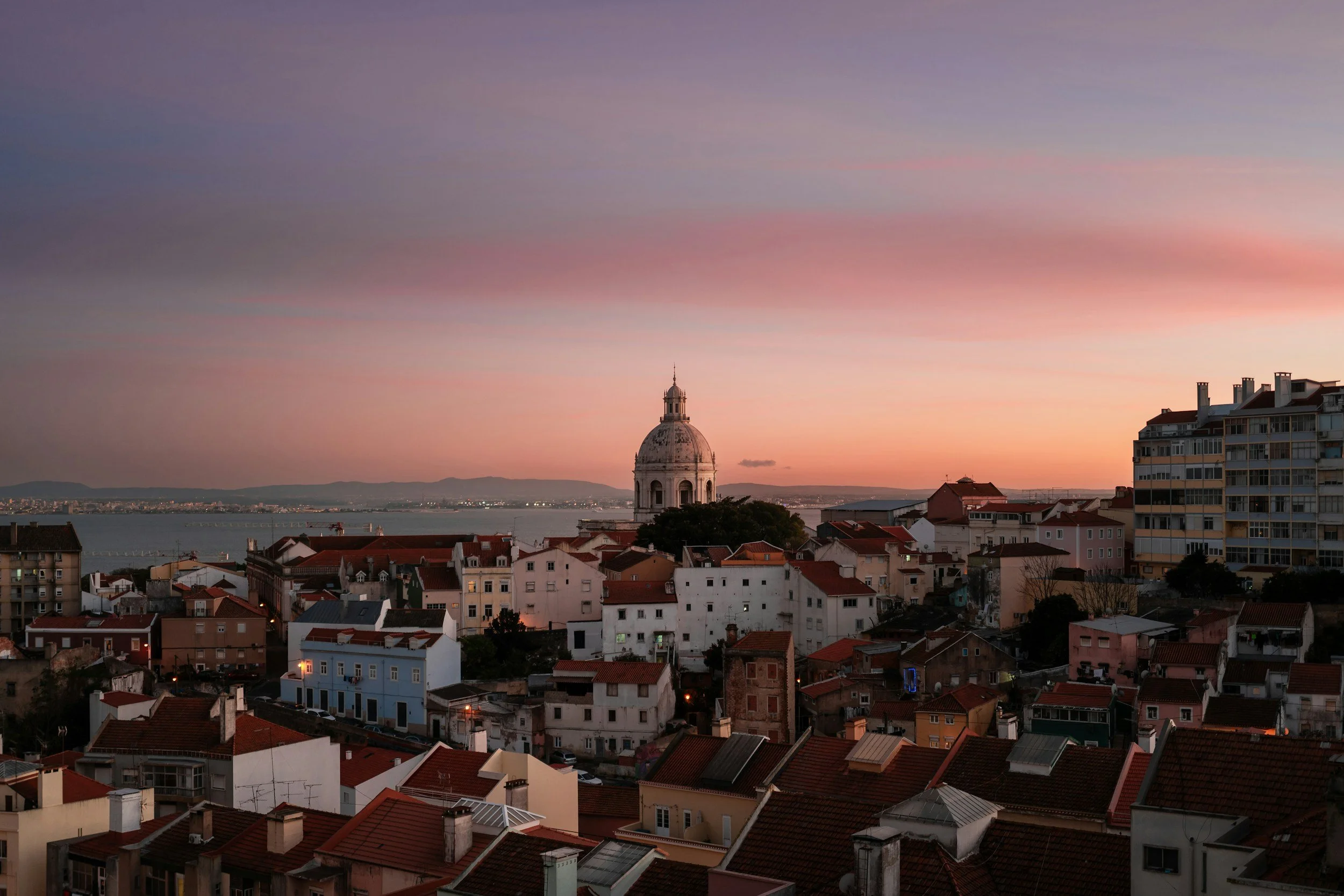
Lisbon is about energy and access.
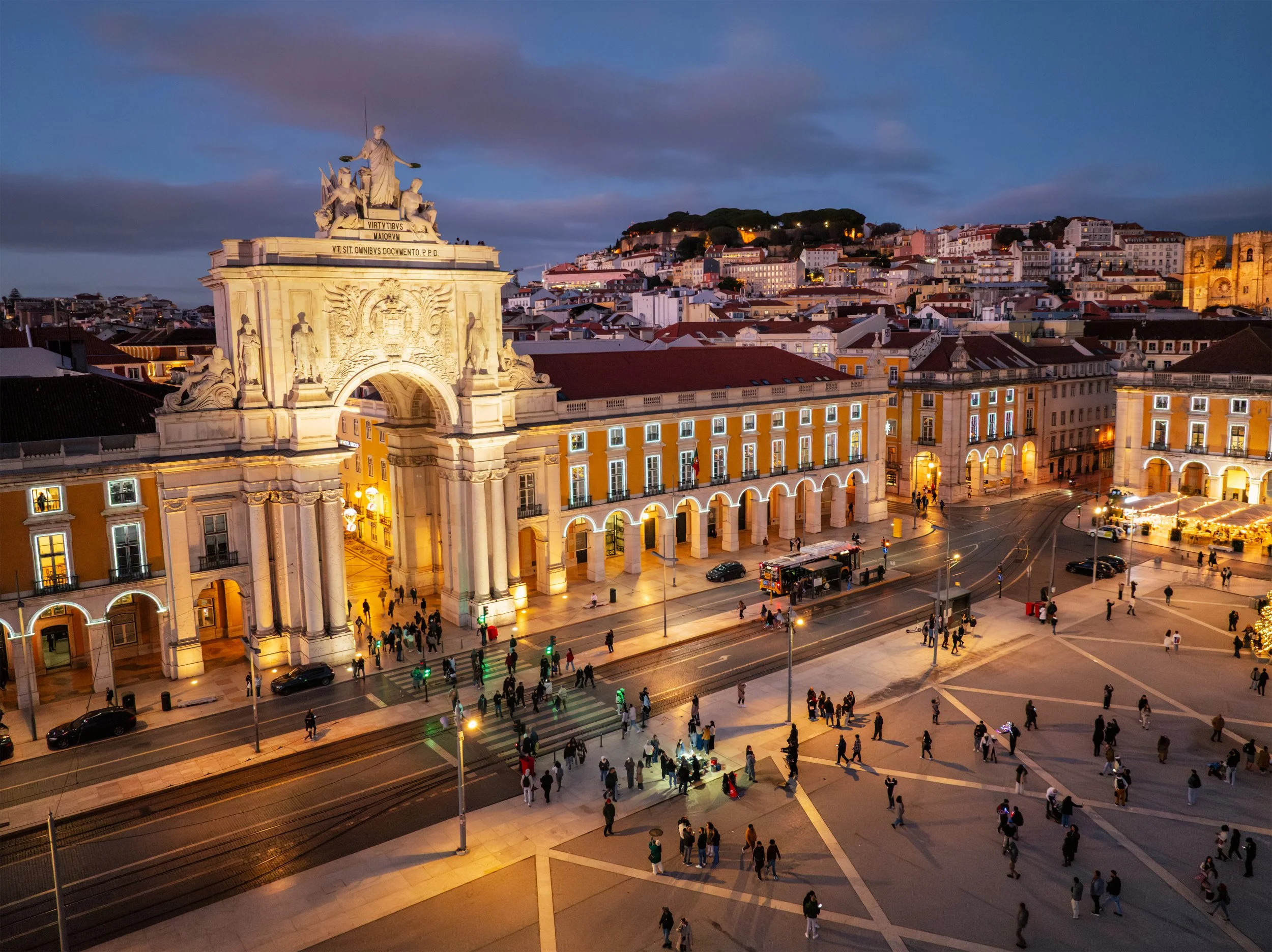
It suits mixed arrival schedules, shorter trips and groups that want culture, restaurants and nightlife, with Sintra and Cascais, Évora or the Silver Coast within reach.
Our Lisbon guide and good detours is for independent travelers.
For groups, we scale those local finds into private venue access, stays clustered in walkable neighborhoods and smooth transport. Keeping the group close together cuts long transfers and keeps the energy up. See corporate retreats in Lisbon or executive retreat settings near Lisbon for larger groups.
2. Porto and the Douro Valley
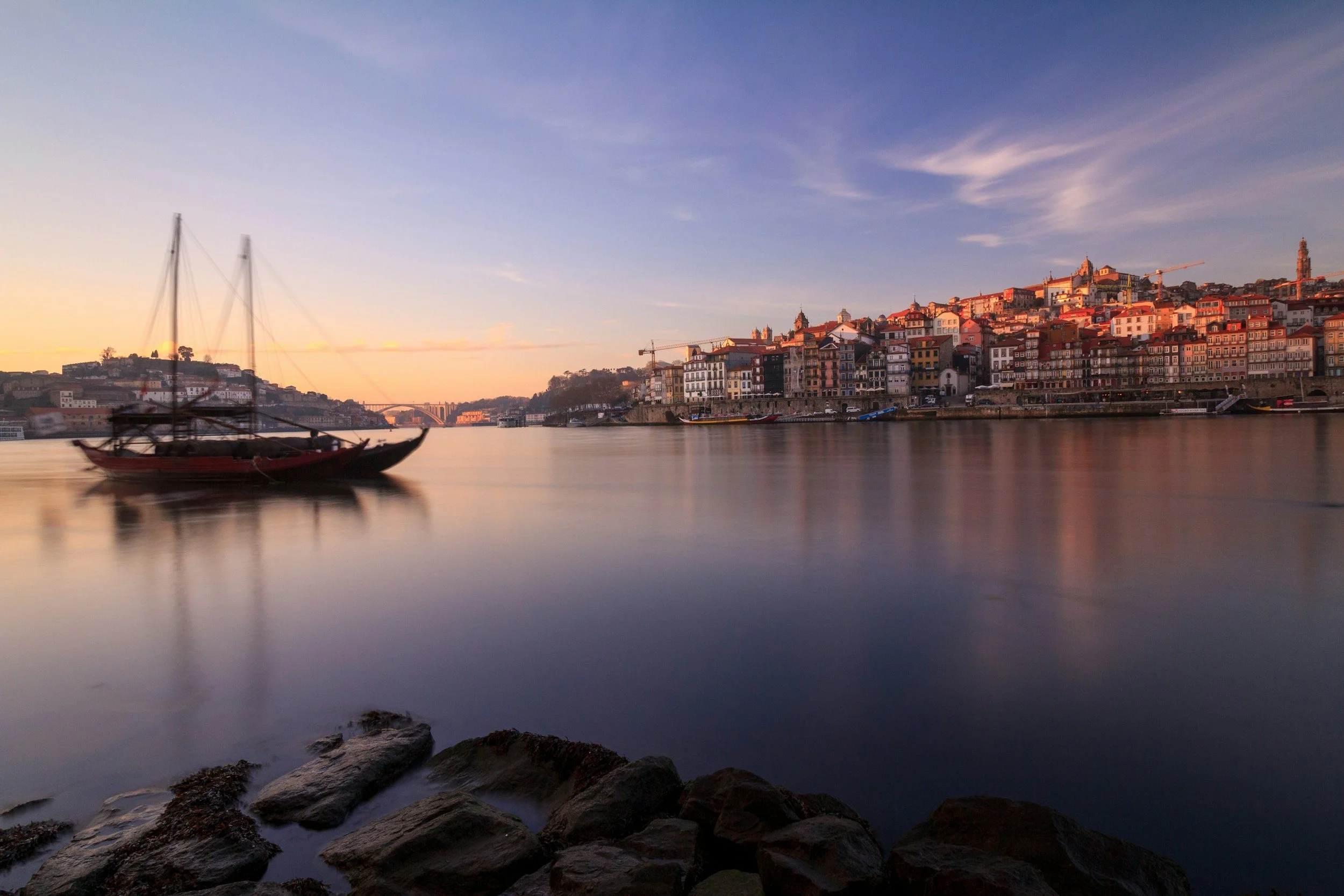
Porto feels compact and textured; the Douro opens the view and slows the tempo.
Together they work well for culinary groups, incentives and gatherings that want both city character and a rural counterpoint.
Our Douro Valley guide treats the journey from Porto as a slow individual trip. For groups, we make that transition part of the experience, swapping the motorway coach for a private carriage on the Presidential Train (up to 20 guests, June to October, booked well ahead) or a river charter that arrives in wine country. See our Porto and Douro leadership retreat.
3. Serra da Estrela & central highlands (the inland reset)
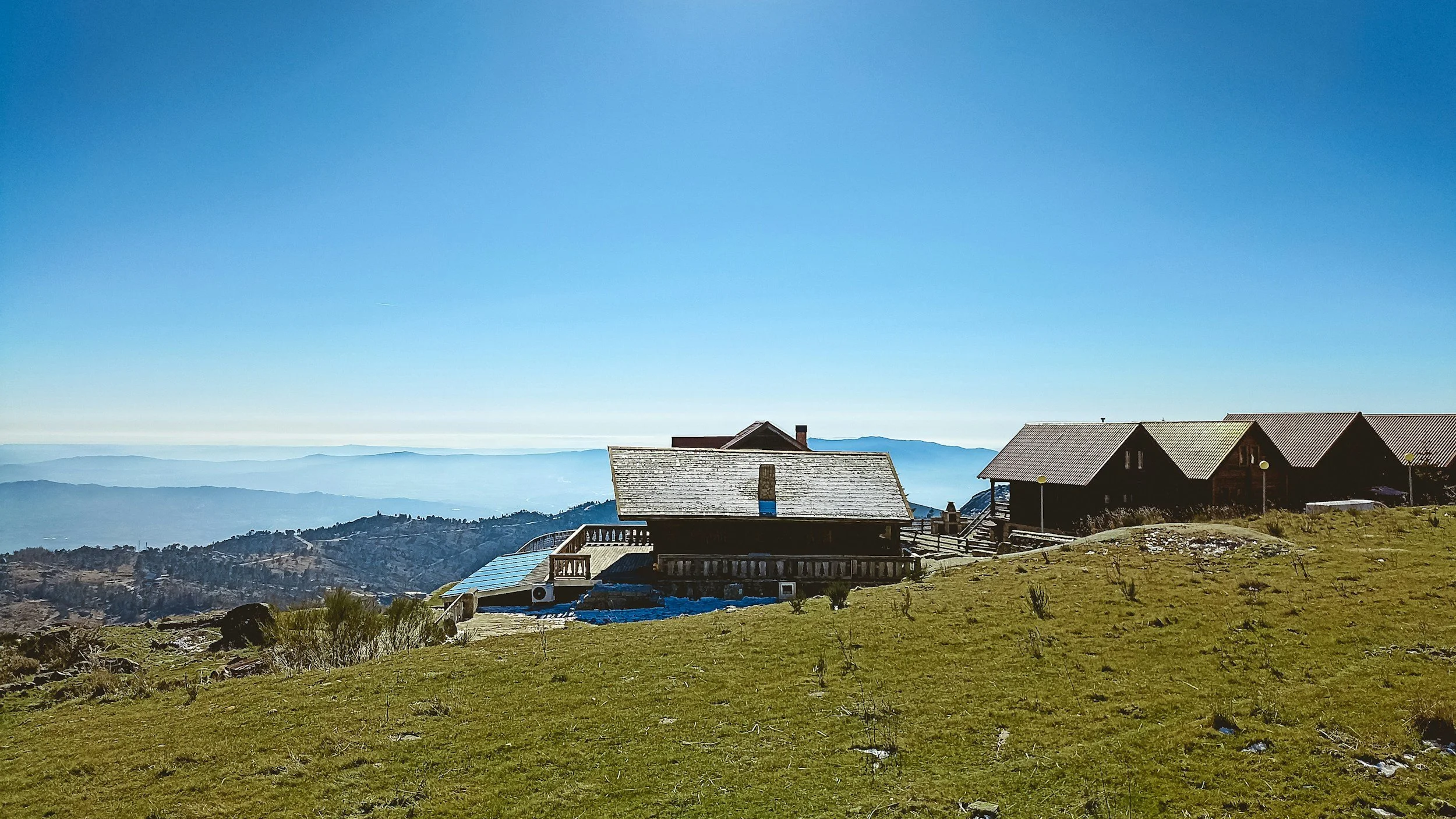
For teams seeking high-altitude movement, deep focus, or a true digital detox.
Central Portugal trades the coastal social scene for granite peaks, glacial valleys and mountain air.
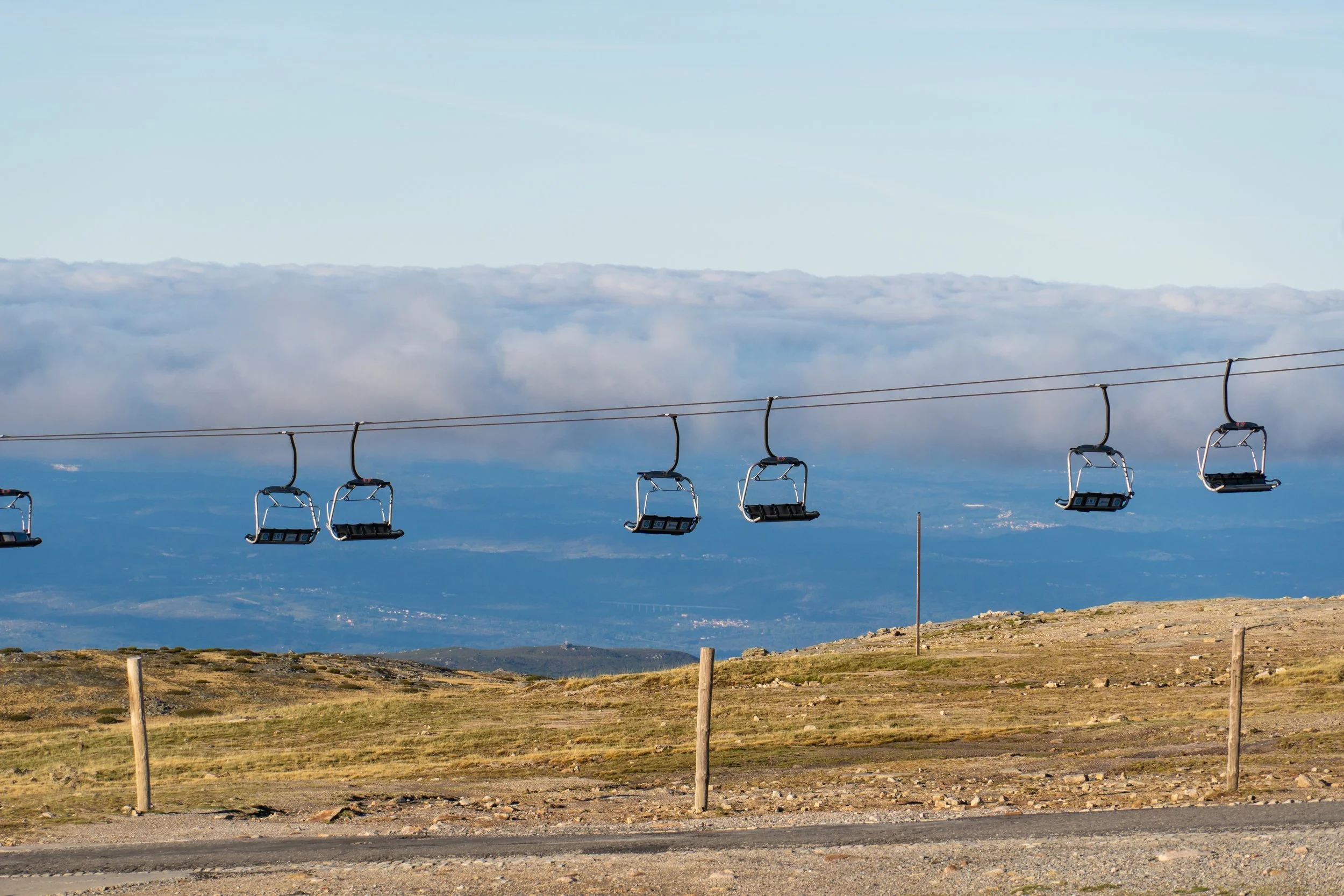
This is the terrain for active offsites: winter skiing, canyoning, 4x4 mountain routes and trail runs that keep screens in pockets. Design-led mountain hotels such as the five-star Casa de São Lourenço and its sister, Casa das Penhas Douradas, each have around 20 rooms, so a small group can take over the whole house. Both are built around burel wool craft, mountain cooking and views over the Zêzere glacial valley. See our work across the north and interior.
4. Alentejo
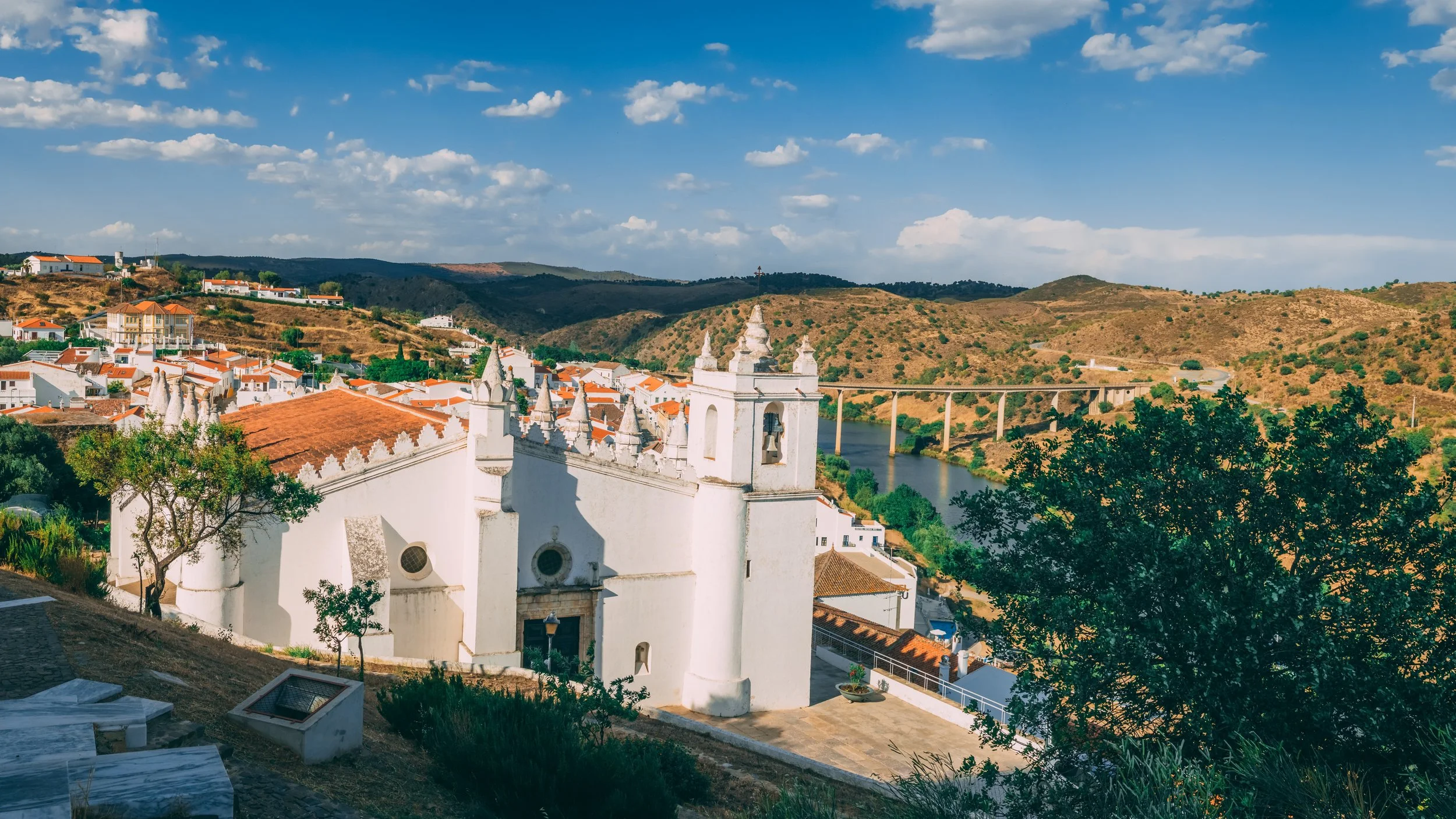
The Alentejo is for groups looking for space and character.
The Alentejo is for groups looking for space and character. Whitewashed towns, cork forests, vineyards and long lunches suit milestone trips, culinary programs and restorative offsites.
It rewards restraint. The region shouldn't be treated as a checklist; it works best when an estate buyout, starry nights in the Alqueva Dark Sky Reserve and farm-to-table dining matter to the group. See our Évora and Alentejo sample program.
5. Algarve
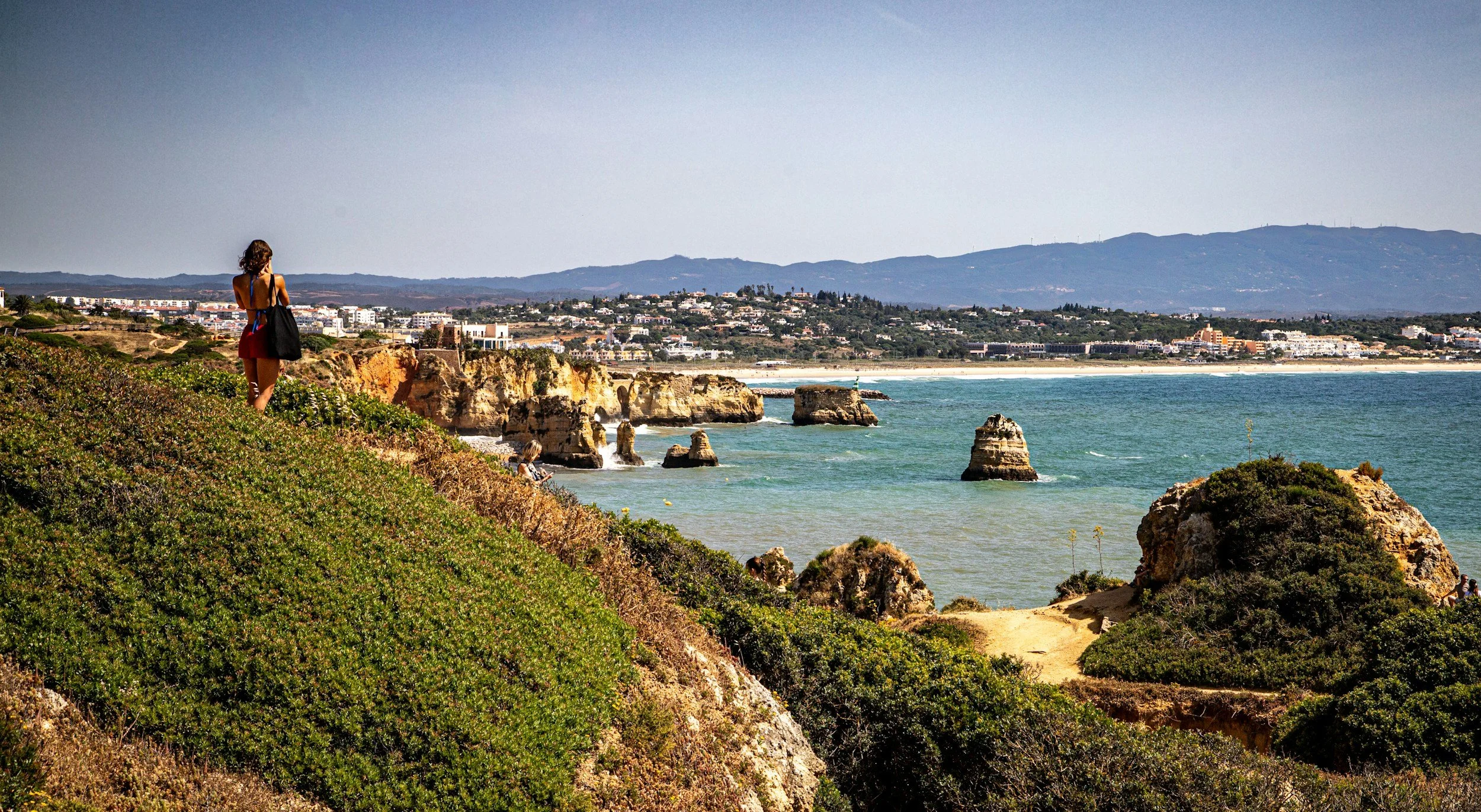
The Algarve is built for scale.
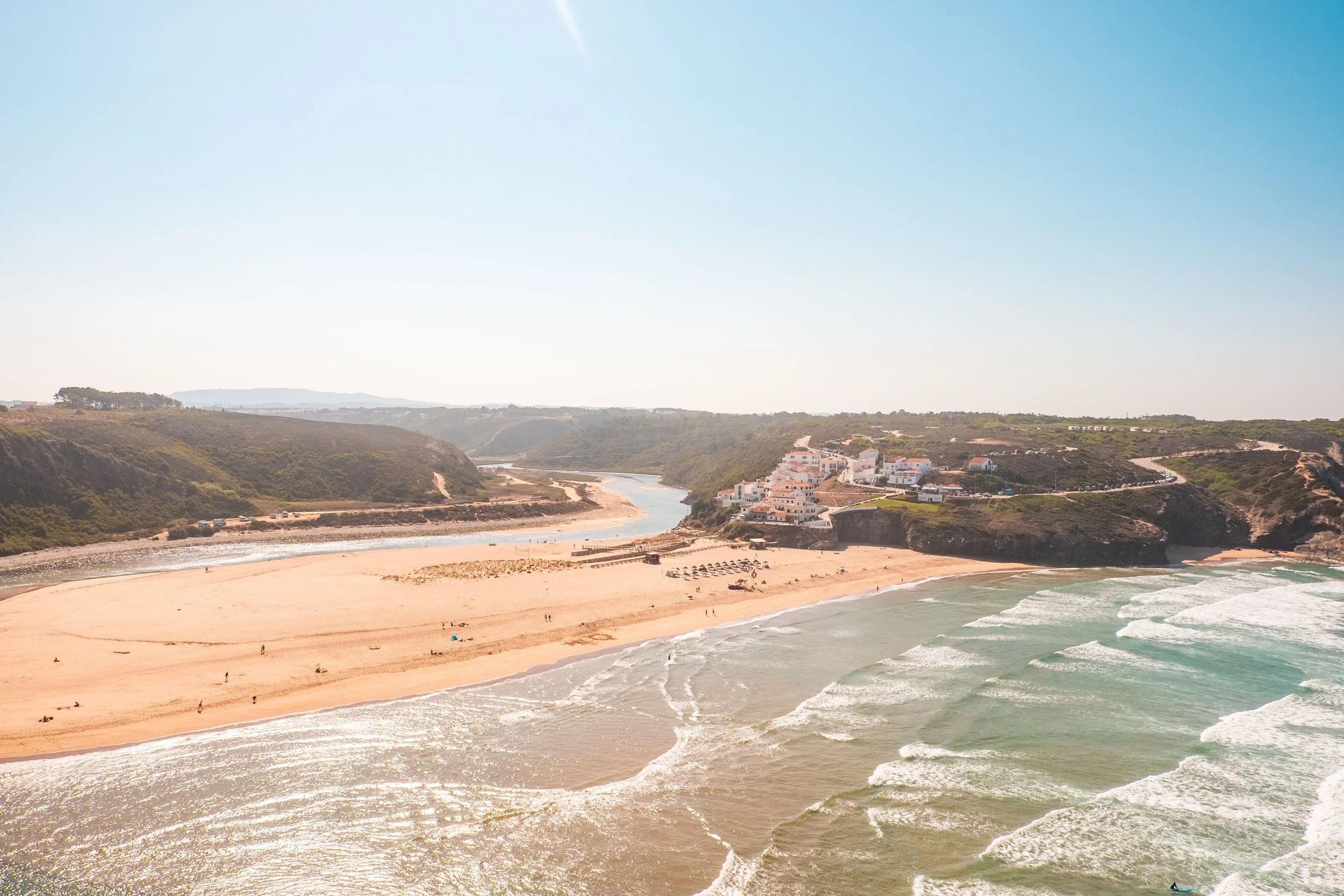
The Algarve is built for scale. It handles big groups easily, but the best trips go well beyond resorts and golf courses. Hidden coves, inland villages and coastal trails give a natural mix of active mornings, celebratory nights and real downtime. We take care of the groundwork, from transfers to private cliffside dinners and local boat outings, so it all feels easy and authentic. See our 60-person Algarve design study and Algarve guide.
6. Madeira and the Azores
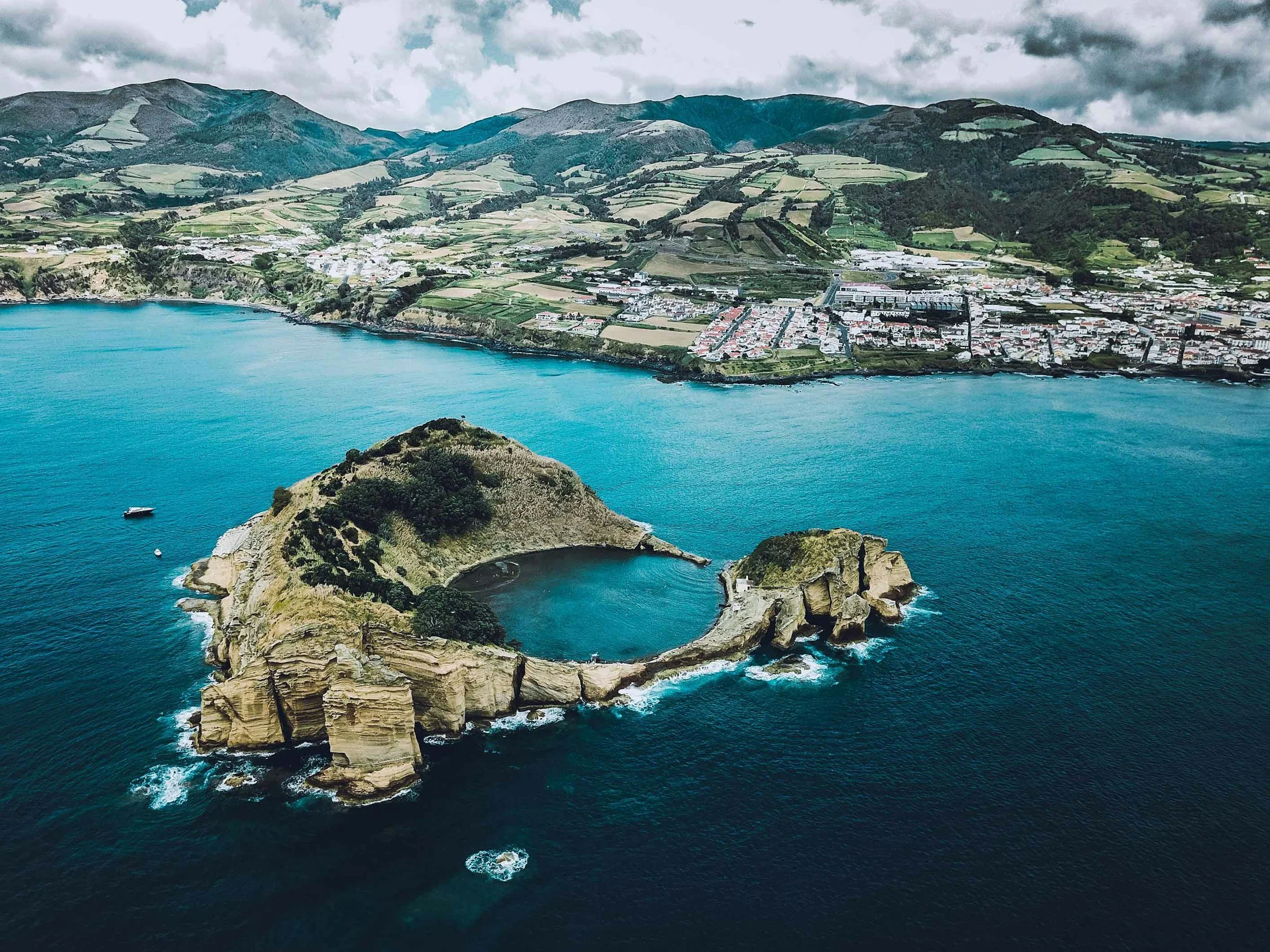
The islands offer drama and distance from the everyday.
This makes for an unforgettable retreat. Island travel also carries higher stakes: flight schedules, mountain weather and backup options need tight local control. We manage arrival waves and weather plans so the group gets the landscape without the stress. See our 100-person Madeira design study and corporate retreats in Madeira and the Azores.
Plan in the right order
The common mistake is to begin with a hotel or a headline activity. For a bespoke group trip, the better sequence is:
Define the reason: celebration, reconnection, reward, strategy, learning, food or family time.
Map the people: ages, home cities, room preferences, mobility, dietary needs, energy levels and travel confidence.
Choose the vibe: urban, coastal, rural, energetic, restorative, discreet or highly produced.
Identify the shared moments: decide what everyone must experience together and let the rest flex.
Test the destination against logistics: airports, transfer times, room inventory, restaurant capacity and weather alternatives.
Build the operational layer: contracts, guest lists, menus, communications, transport, run-of-show and on-site ownership.
Leave room to breathe: a bespoke itinerary shouldn't feel like a relentless schedule dressed up as a special event.
For corporate retreats, we recommend starting six to nine months ahead to secure the strongest venues and shape a more tailored program. Read how far ahead to plan a corporate retreat in Portugal. Smaller private groups may have more flexibility, but milestone dates, exclusive-use properties and high season benefit from the same early decisions.
One group, one Portugal
Great group trips play to their strengths. Ten people can share a personal meal and get to know the chef. Forty can bring a courtyard to life. A hundred can create real shared energy in a single room.
You don't need to shrink a big group to make it special. You need the right design for your headcount, so Portugal is an active part of the journey, not just the backdrop.
RuaMar plans private group journeys, milestone celebrations, culinary trips and corporate retreats across mainland Portugal and the islands.
Ready to shape your group's Portugal journey?
Share your group size, target dates and vision, and we will design the right route, venues and rhythm.
Frequently asked questions
-
For a corporate retreat or any group needing a large room block, start six to nine months ahead, especially for May, June, September or October. A 100-person gathering, island retreat or trip tied to a fixed date may need longer. Smaller groups can sometimes move faster, but villas, private venues and popular restaurants fill early.
-
Yes, if you plan for it. Split the group for experiences that lose their character at full scale, work with local hosts and producers, vary the dining formats and save the full group for the few moments that deserve everyone's energy.
-
There is no single best region. Lisbon offers access and variety. Porto and the Douro suit food, wine and a city-and-country pairing. The central highlands offer mountain activity and a digital reset. The Alentejo gives space and stillness. The Algarve combines resort infrastructure with coastline. Madeira and the Azores offer drama, with more complex flights and weather.
-
Depending on scope: destination strategy, venue sourcing, accommodation, transport, private dining, cultural and culinary programming, guest communications, AV and staging, speakers and facilitators, run-of-show, contingency planning and on-site management. RuaMar can plan the whole local experience or plug into your existing planner, agency or internal team. Here is how to choose a bespoke travel company in Portugal.
-
Yes. Portugal handles 100+ person retreats, incentives, conferences and celebrations well, especially in and around Lisbon, Porto, the Algarve and Madeira, and at larger estates. Success depends on matching the venue and region to the room count, meeting format, transport flow and the level of privacy you want.
-
Yes. Registered and insured. RuaMar is listed on Turismo de Portugal's public register as a travel agency, RNAVT 13739, with liability cover well above the legal minimum for agencies. You can check the record on the national tourism register.